
How Does A Hair Transplant Work?
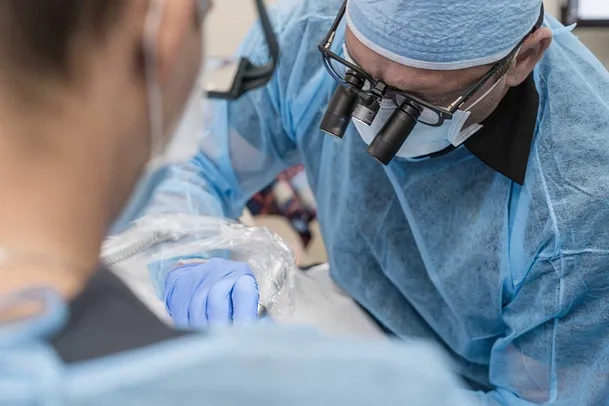
What To Know Before Getting A Hair Transplant Eligibility For The Hair Transplant: It is essential to understand what makes one a perfect candidate for hair transplants; this will help you have realistic expectations and prevent future disappointments in case the exercise is unsuccessful. Some Of The Factors That Determine The Eligibility Include: Causes Of Hair Loss: You are eligible if your baldness is from trauma, traction alopecia, or androgenic alopecia. If you suffer from full androgenic baldness (an autoimmune disorder, or alopecia totalis) then you are not eligible for a hair transplant. These conditions are however, extremely rare. Age: This is an essential factor. Patients above 21 years are the right candidate for the surgery. Generally, the older the patient is, the more their hair loss patterns will have stabilized. This results in potential results that are easier to determine. Abundant Donor Hair: This is another critical factor. The more adequate donor hair regions of a patient, the more hair you need for implantation. Patients without sufficient donor hair density are not the right candidate for the surgery. Choosing The Right Hair Restoration Method For You There are many treatment methods available, and this can be a difficult decision to make especially if you don’t know much about hair transplants. It is essential to understand the procedures for each technique and its advantages, eligibility, and how the treatments differ. Common hair treatments include; surgical and non-surgical. The surgical methods include the FUT, FUE, and ARTAS iX Robotic Hair Transplant System. The non-surgical include Medications/Hair Boost, Regenera Activa, Capillus Laser Cap, and Scalp Micropigmentation The steps of this procedure, as well as any other we offer, is listed and explained in detail for all patients during their consultation. We offer in-person and virtual consultation with our Patient Care Coordinator and Dr. Max. If this interests you, feel free to call us at 954-945-2909 or click here to schedule a consultation online. So, What Are The Steps In A Hair Transplant: Drawing The Hairline: This process entails mapping out the areas that we plan on restoring for your specific procedure. For some patients, this can be just focused on their hairline, while for others it may be their crown or other areas. Shaving of Procedure Area: This step can be optional, as we do offer No-Shave Hair Transplant. In the case of most procedures, we end up shaving the entire head area. Specifically for the purpose of extraction ease in the donor area and implantation for the area lacking density. Administering Local Anesthetic: Before the procedure, Dr. Max evaluates the patient and determines the appropriate medication and local-anesthesia plan. Medication decisions and prescribing are medical responsibilities, not non-surgical assistant duties. Follow the clinic’s individualized instructions. Extracting Grafts: Depending on the hair transplant method, this stage is either done manually or robotically by creating very small punches for the hair follicle unit to be removed from the donor area. Separating Follicular Units: Trained assistants may support non-surgical graft organization, microscopic inspection and sorting, and implanter loading under Dr. Max’s direction. These support duties are separate from physician-performed harvesting and implantation. Implantation: Dr. Max personally performs harvesting and implantation. He implants each graft using a sharp implanter, creating the recipient opening and placing the graft in one step. Separate pre-made recipient sites are generally not required. This does not mean there are no incisions or scars: small openings are created in the skin, and donor and recipient areas require healing. FUE describes donor harvesting; direct implantation describes graft placement.
4 Surprising Causes Of Hair Loss

When first noticing early signs of hair loss, rushing to Google for reasons why may be your next move. While there are the common reasons for hair loss, such as aging and genetics, there are many more reasons that may be to blame for your recent hair loss. In this article, we’ll go over 4 surprising causes of hair loss you may not be aware of. 1. Medication It’s always important to know what are the potential side effects when taking new medications. For some meds, sudden hair loss is an expected side effect. A few examples of different medications that fall under this category would be blood thinners, vitamin A supplements, some arthritis drugs, antidepressants, gout medication, medication for certain heart problems, blood pressure medication, and birth control pills. Some of these are very commonly taken, thus many probably don’t realize some of those listed medications may be causing thinning. It’s best to consult with your doctor if you have any concerns regarding such side effects. 2. Thyroid Disease Hair loss can be a result of an underactive thyroid or overactive thyroid (Hypothyroidism) since these conditions can cause hormonal imbalances. Hormonal imbalances may be the cause of a wide array of unwanted symptoms, like fatigue, weight gain, itchy skin, or low mood. Hormones are chemicals produced by glands in the endocrine system and released into the bloodstream. Thus, it is in the best interest for your health (and hair) to consult with your doctor and find the right thyroid treatment for you 3. Pregnancy As you can imagine, one’s body undergoes a major wave of hormonal changes during pregnancy. The difference between this hair loss and other types is that, for the most part, this type of hair loss is only temporary. Just as the usual hormonal imbalances can result in hair loss, that goes even more so for the fluctuating hormonal imbalances a woman experiences during pregnancy. This sudden loss of hair that expectant mothers experience usually returns in time after the pregnancy. 4. Anemia Anemia, also known as an iron deficiency, can also be a culprit for hair loss. Essentially, anemia sends your body into survival mode, causing your body to channel oxygen to support vital functions as opposed to ones like keeping your hair intact. Some easy ways to avoid hair loss when you have anemia include: A Balanced, Healthy Diet Foods High In Vitamin C Brush And Wash Your Hair Gently Avoid Hair Colors and Dyes Limit The Use Of Heat-Styling Tools
What To Avoid If You’re Losing Your Hair

When going through hair loss, it can be very tempting to cover this process up. For those who view losing one’s hair in a negative light, this can lower their confidence. Even when turning to the internet, there are so many different answers from endless sources that it can be difficult to know what is the best method of dealing with hair loss. In this article, we will share with you five suggestions on what to avoid if you’re losing your hair. 1. Not Using Conditioner Just like your face, your hair needs proper moisture to be healthy. Many don’t use conditioner because they feel it will flatten their hair, yet this is not the case with all products. More importantly, one must use the correct conditioner if they are trying to combat the effects of hair loss. There are many volumizing conditioners that are made specially for thinning hair. 2. Overwashing Your Hair It is a general rule of thumb that washing your hair everyday can be counteractive towards its health. The reasoning behind this is that daily washing can thin out and dry your hair. Thus your hair will become very brittle and prone to split ends and the likes. Instead, it is suggested to use a dry shampoo between washing your hair. This will also add some extra volume which can be beneficial. 3. Overusing Cover Up Powder Many people have resorted to using different types of cover-up powders to hide patches or areas on their head that are thinning or bald. While some of these products may work decently and may even work well for its intended purpose, prolong usage can cause more damage than good. The reason for this is because consistent, long-term application of these powders can actually clog up your follicles, thus causing hair loss. 4. Hair Extensions Hair extensions can be a quick remedy for thinning hair since it will give the illusion that one’s hair is much thicker and voluminous than it really is. The issue with extensions lies in the long term effects of them. Over time, this can put a lot of strain on the hair these extensions are connected to. This can result in scarring alopecia, the potentially permanent and irreversible destruction of hair follicles and their replacement with scar tissue. 5. Obsolete Hair Restoration Methods With a new year now around, many of us may have a couple resolutions we want to tend to. For some, this may be the year they choose to consider to have a hair transplant done. Essentially, a hair transplant is a cosmetic procedure that involves harvesting hairs from a certain part of your scalp, and transplanting them onto a different part of your scalp. This donor area for the most part is usually the occipital (back of the head) area of your scalp since the hair here rarely recedes. For some, the term “hair transplant” can conjure up images of bad, plug-looking results that show full transparency of a procedure having been done. This is no longer the case with modern transplants as the technology in this field has greatly advanced since the 1980s hair plugs’ days. There are two main methods of hair transplantation involved in the majority of modern procedures: FUE and FUT. If you’d like to learn more about the differences between these two methods, feel free to read our article on that topic here. At Hair By Dr. Max, Restoration Center, we choose the FUE method as a means of transplantation. We also greatly promote our use of the ARTAS iX Robotic Hair Restoration System which has very much improved the efficiency and accuracy of modern-day surgeries. If you have any questions regarding hair loss or any of our hair loss solutions, feel free to contact us at 954-945-2909. We’d be more than happy to help you on your journey to bring back your hair!
Things To Know When Considering A Hair Transplant
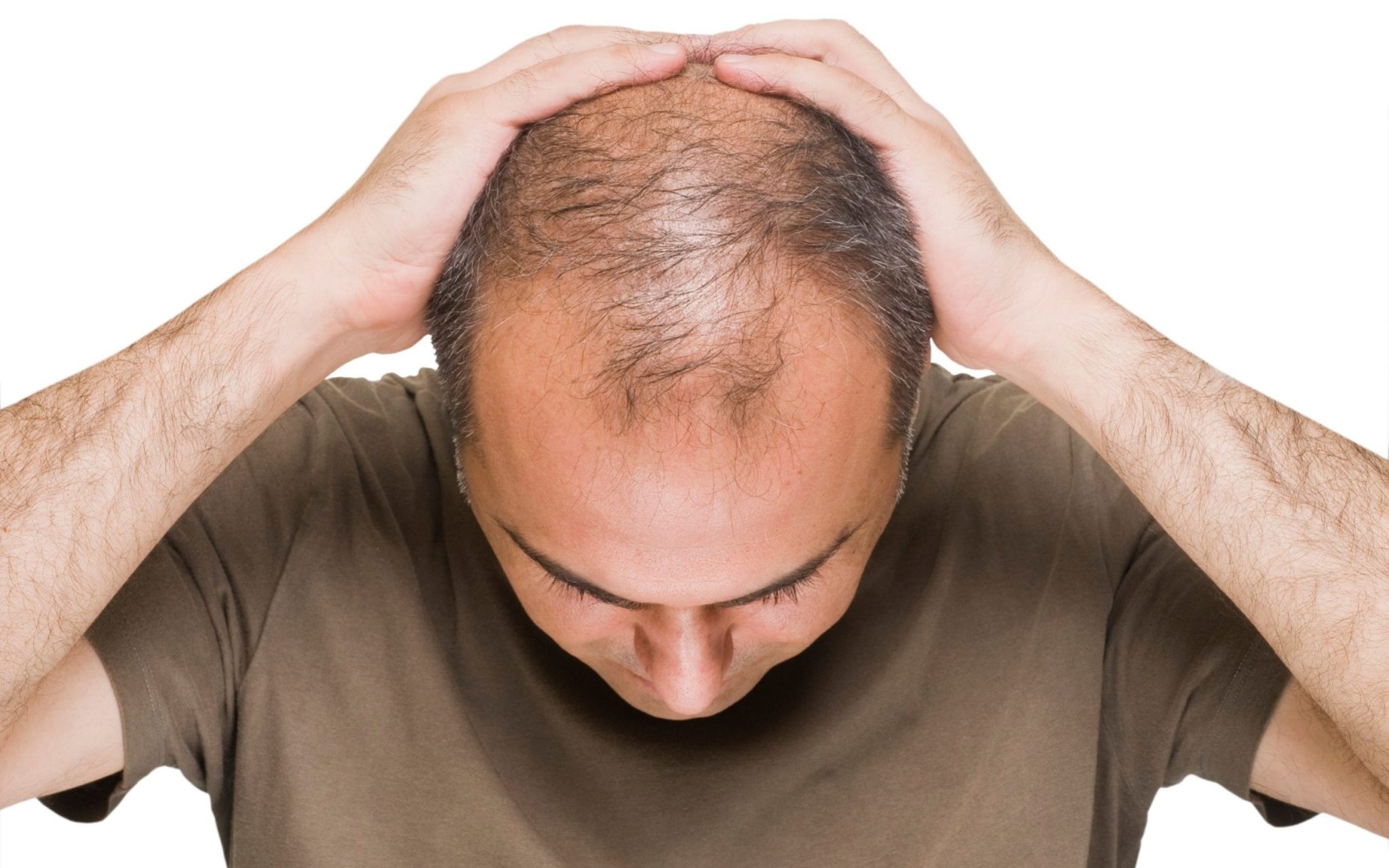
With a new year now around, many of us may have a couple resolutions we want to tend to. For some, this may be the year they choose to consider to have a hair transplant done. If you may be a part of this group, then this article is for you. It is not meant to dissuade one from getting a hair transplant, rather we want to make sure if you are, that you are completely aware of what a hair transplant procedure would entail. Essentially, a hair transplant is a cosmetic procedure that involves harvesting hairs from a certain part of your scalp, and transplanting them onto a different part of your scalp. This donor area for the most part is usually the occipital (back of the head) area of your scalp since the hair here rarely recedes. For some, the term “hair transplant” can conjure up images of bad, plug-looking results that show full transparency of a procedure having been done. This is no longer the case with modern transplants as the technology in this field has greatly advanced since the 1980s hair plugs’ days. There are two main methods of hair transplantation involved in the majority of modern procedures: FUE and FUT. If you’d like to learn more about the differences between these two methods, feel free to read our article on that topic here. At Hair By Dr. Max, Restoration Center, we choose the FUE method as a means of transplantation. We also greatly promote our use of the ARTAS iX Robotic Hair Restoration System which has very much improved the efficiency and accuracy of modern-day surgeries. When deciding if a hair transplant is the right hair loss solution for you, it’s important to consider the following things: 1. Your Age Age is an important factor when it comes to deciding whether or not you should have a hair transplant at the moment. The reason for this is because depending on your specific hair loss pattern, a hair transplant at a young age can actually do more harm than good. For the most part, it isn’t until about 25 years old that a person’s hair loss pattern can be predicted. Having a transplant below this age, and before this pattern has set in, can be very risky. Having such a procedure at a young age can result in an unnatural result when you are older. Remember that a hair transplant only “reverses” the growth of hair that is currently gone, not the hair that will continue to recede after the procedure. Ofcourse, every hair loss situation is different so it is best to consult your doctor before deciding on any procedure. 2. Your Expectations Many patients go into a hair transplant procedure expecting immediate and unrealistic results. This mainly occurs when they are not well-educated on the process or the doctor they go to has not given full transparency on the process. That is why understanding the post-transplant process is imperative to making your decision on whether or not to have a transplant. If one is expecting a full head of hair to appear and for all their external issues to go away after the procedure, then it is best to suggest away from a procedure. Even after the procedure, it will take about 6 months to see the new hairs really come out. It will be about a year until you fully can see the result of the procedure. 3. Have You Seen Your Doctor’s Past Work The importance of this tip goes without saying. Just like any other cosmetic procedure, knowing a doctor’s past results is a good indication on how your procedure could come out. If the results are positive and contain good reviews then you can be a bit less worried about your procedure. If there are plenty of negative reviews and un-impressive results, it is probably best to keep searching for the right doctor. These results are usually available to see on their website, but if they aren’t then it’s best to be sure you see them when you go for a consultation. 4. Does Your Doctor Specialize In Hair Restoration? This seems like it’d be an obvious note, but it can be overlooked a lot nowadays since any doctor can get a hair transplant machine/equipment. In other words, no matter what field of study a doctor specializes in, they are still able to get the equipment necessary to perform a hair transplant. This would explain why many hair transplant services have recently popped up out of nowhere. Such a procedure should be performed by doctors/surgeons who solely specialize in this field rather than be performed by doctors as a side service. Though this procedure may not be as invasive as other surgeries, it still is a medical procedure that requires a team of highly skilled technicians to assist a well-trained surgeon. If you have any questions regarding hair loss or any of our hair loss solutions, feel free to contact us at 954-945-2909. We’d be more than happy to help you on your journey to bring back your hair!
Thinking Of Getting A Hair Restoration Abroad? Read This First

So you’re finally tired of watching your hairline punishingly recede before your very eyes..You’ve been doing your homework into clinics and the likes. Specifically, you are thinking of getting a hair restoration abroad. If you have done any research into where you should get your hair transplant procedure done, you have most likely come across clinics located in Turkey. Turkey, as well as the UAE, India, and Thailand, have become increasingly popular hair restoration destinations in the past few years. While getting your hair transplant abroad can turn out just as great as it would back home, it is important to ask yourself a few key questions before making your decision. 1. Is Your Safety Guaranteed? When getting your hair restoration done abroad, you have to think, is the safety of the procedure guaranteed? Does it follow FDA regulations and health standards? The U.S. has very strict procedures when it comes to health regulations and standards, so it’s important to consider how this can differ in other countries. Aside from the procedure, this is simply imperative to your health and safety. 2. Are The Doctors You Would Be Seeing Specialized? Doctors who will be performing hair restoration procedures should be specialized in hair restoration and hair management. When considering a doctor to perform your hair restoration procedure, it’s a good idea to look into their certifications and the standing of their reputation. The U.S. has many regulations when it comes to doctors who are specialized and able to own a reputable practice. 3. Is the Procedure Done With The Latest Hair Restoration Technology? It can be difficult to decide which method of hair restoration to go with, but it goes without saying that there are many options available. These options include FUE, FUT, and FUE Robotic Hair Restoration technology, as well as a couple other alternatives. For your own best interest, it’s a good idea to look into the technologies a specific clinic offers. As there are many methods of hair restoration a surgeon could specialize in, it is important to know what they are best at doing. Moreover, seeing the actual results of a surgeon can instill confidence in them. If you agree with the outcome of their work, then that’s something positive to check off. This can mean the difference between a successful hair restoration procedure and one that leaves noticeable scarring. 4. Are the Results Of Your Procedure Guaranteed? When searching for hair clinics or doctors abroad, make sure they are a clinic that guarantees you get the results you want. One way to do that is by checking their website for pictures of their results. It’s also important to make sure there’s evidence of real results featured on a doctor’s website. Making sure you answer these questions will guarantee you don’t walk into a situation where you have a failed hair transplant or don’t get the results you wanted. 5. Is There Easy Access To Aftercare? Accessibility to aftercare is the most important part of a successful hair transplant. As stated before, a hair transplant isn’t just one visit. It requires several follow-ups and the road to achieving results can take months. The first signs of hair growth after a hair transplant start 3 to 6 months after. If you have questions or concerns, you can always reach your hair restoration doctor. In the case of getting your hair restoration done abroad, it could be quite difficult to reach your doctor who is thousands of miles away. Thus, you might not have access to proper aftercare. It’s good to keep this in mind when looking for a place to get your procedure done.
4 Common Myths About Hair Transplants

The beauty of the cosmetic industry is that it has allowed us to compensate for where nature betrayed us. Hair loss is one of these things many people have suffered from. With today’s advances in technology, it is more than possible to have hair transplant with very little risk involved. Of course, it is in your best interest to research who you plan to do your procedure with. The outcome will only be as good as your surgeon’s skills. With all the varying information out there, it can be difficult to know what is myth versus facts. In this article, we will go over 4 common myths about hair transplants. If you have any questions about our hair restoration services, feel free to give us a call at 954-945-2909. We’d be more than happy to help you on your journey to bring back your hair! 1. Hair Transplants Are Only For Men This myth has been doing the rounds forever now. Since male pattern baldness is common so most people think that hair transplant is a men’s thing. But in reality, men and women both have different balding patterns and both might need hair transplant at one time or the other. The outcomes following a hair transplant are better appreciated in a woman because they keep long hairs. We at Hair By Dr. Max, Restoration Center prefer to go with the FUE route over FUT as there are many less risks and scarring involved. 2. Body Hair Transplant Gives The Same Result As Scalp Hair Transplant In most transplants, the roots are taken from the back of the scalp where the growth is dense. But if there aren’t enough roots available one might have to opt for body hair. But it isn’t a viable option. Body hair has a different texture as well as growth rate. Moreover, extraction of these hairs leaves scars. Body hair may provide a sense of fullness in the area where one experiences maximum hair loss, but it is never the same. 3. Hair Transplant Gives Immediate Result The truth is that the transplanted hair usually falls off within three weeks but the roots of the hair won’t stop growing. So don’t stress if this occurs. That’s part of the process. Once blood supply to the root is established the supply lasts permanently. These roots usually start growing in about 60 days with the best growth being seen between the 9th to 12th months. These hairs pass through the three stages of a normal hair growth namely telogen, catagen and anagen phase. Of course, keep in mind that each case is different. If you have any questions, we have 24/7 concierge service so we would be happy to answer any questions you have regarding the procedure. 4. Transplants Work Best In Young Men People believe that the younger you are when you do a hair transplant, the better the long-term outcome. But the reality is just the opposite. If you start losing hair at a younger age chances are you may need more sessions of hair transplant to maintain the result. So it is always advisable to start with medical treatment in the early stages (oral medications and ointments) and opt for surgical intervention only when hair loss has stabilized which means at an older age.
Are You A Good Candidate For A Hair Transplant?

Though a hair transplant can be one of the best methods of restoring your hair, the reality is not everyone can get one. Being a candidate for a hair transplant is not as simple as having hair loss. There are many considerations patients need to be aware of to make sure it is the right procedure for them, but we will go over four main reasons. Are you a good candidate for a hair transplant? Let’s read on. 1. The Ideal Age Is Between 25-65 Though there are no actual limits to what age one can get a hair transplant procedure. We at Hair By Dr. Max, Restoration Center recommend holding off such a procedure until the age of 25. For the most part, one’s hair loss pattern is quite established between the ages of 25-65. For patients younger than 25, they are still experiencing premature hair loss. This can always change once they grow older. On the other hand, patients over the age of 65 tend to have very thin hair and this solution might not work best at that point. Someone who is completely bald or has very little hair left cannot get a hair transplantation surgery because there is little to no hair to transplant. This can present itself as a fundamental issue in terms of the final result. 2. It Depends On Your Type Of Hair Loss The best candidates for hair transplantation are those who suffer from pattern baldness. There are many other serious conditions that could cause hair loss, yet the one that is best able to be worked with is Androgenetic Alopecia (male/female pattern baldness). This is usually a genetic condition that affects only parts of the scalp. Thus, this leaves parts with good donor hair that can be extracted, also called donor hair follicles. Patients suffering from more serious forms of alopecia or other types of hair loss will tend to have poor hair follicles. This can impact the success of the transplant. 3. You Should Have A Pretty Healthy Lifestyle Aside from the fact that it is beneficial for one to be in good shape, it does play a rather important role in surgical procedures. We’re not saying you must be an olympian but, a relatively healthy lifestyle and proper diet will definitely make post-surgery go smoothly. A healthy immune system will mitigate potential issues, as well as promote quicker healing. If you have suffered from pre-existing health issues, it is recommended that you speak to your doctor before undergoing such a procedure. It is imperative that the surgeon who would be performing the procedure is aware of any health issues pre-surgery. 4. You Should Know Your Hair Loss Classification Two important factors must be considered when assessing the amount of hair loss: (1) severity of hair loss and (2) quality and quantity of donor hair. This is an important step in deciding if a patient qualifies for hair transplantation, since there must be a good supply of healthy hair follicles available for hair transplantation to be successful. If you are considering hair transplantation, consider Hair By Dr. Max, Restoration Center Clinic. We have the newest, cutting-edge technology in robotic hair transplantation: the ARTAS iX Robotic Hair Restoration System. Feel free to give us a call at 954-945-2909. We’d be more than happy to help to answer any questions you have!
How Does Scalp Micropigmentation (SMP) Work?

Scalp Micropigmentation (SMP) is another popular solution for hair loss. It is a non-invasive treatment that creates the appearance of tiny hair follicles, restoring the appearance of hair on a shaved scalp by creating the illusion of a thicker head of hair. The goal of SMP isn’t to create hair-like lines that are perfectly lined like microblading eyebrows, but instead to use tiny, layered dots in different hues of black to replicate the look of a shadow on your scalp. This style, referred to as pointillism, is done to create natural-looking depth and definition. It is also a great option when all you want is to add density to your hair. HOW DOES IT WORK? 1. Initial Consultation: During a consultation, a proper plan will be developed to achieve your desired SMP outcome. 2. Treatment Session Scheduling: Due to the nature of a scalp micropigmentation (SMP) procedure, we schedule 2-3 treatment sessions in advance, depending on your individual requirements. Each session lasts on average about 2-3 hours and is scheduled a minimum of 10 days apart. The third session can sometimes be optional depending on the client and the desired result. As always, we will do our best to work around your availability. 3. First Session: Before a scalp micropigmentation (SMP) procedure begins, we will work with you to create your perfect hairline, discuss what style you are looking for, and then treatment will commence. 4. Second/Third Session: During this scalp micropigmentation (SMP) session, we will work to increase your replicated hair density to create the appearance of fullness and get rid of any sign of hair loss. Our main focus will be on blending your pigmented areas into your real hair for a perfectly natural-looking result. Moreover, minor adjustments to the hairline can be made as well. 5. Results: One of the main pros of SMP is its instantaneous results. Be sure to take pre-op pictures to see the full difference! You Might Also Like To Read WHAT YOUR HAIR SAYS ABOUT YOUR HEALTH Your hair could be telling you something about your health… HOW DOES A MANUAL FUE HAIR TRANSPLANT WORK? Follicular Unit Extraction (FUE) is one of the main techniques for obtaining donor hair for hair transplantation… ARTAS IX ROBOTIC HAIR TRANSPLANT VS. FUT STRIP PROCEDURE We’ll cover the biggest advantages the ARTAS iX Robotic Hair Restoration has over the traditional FUT method…
What Your Hair Says About Your Health

While we are so focused on how long it will stay with us or how we can style it differently, it’s easy to forget what your hair says about your health. Changes in your hair’s look, texture, or thickness can be signs of underlying health conditions. Here’s how you can tell whether your hair changes are due to a health problem, genetics, stress, or a nutritional deficiency. If hair looks silky, it’s safe to say that it’s probably healthy. This shine we tend to see on healthy hair is the result of a smooth, flat-lying cuticle. 1. Stress Can Make You Go Gray It’s no secret that long periods of high stress can result in a person forced to pull off the silver fox look a bit too prematurely. According to a study on mice in the journal Nature, chronic stress may indeed contribute to graying hair by causing DNA damage and reducing the supply of pigment-producing cells in hair follicles. Stress can also cause your hair to fall out. Also known as Temporary Hair Loss, Telogen Effluvium can be a result of high stress. Telogen phase or the resting phase, which is also known as the shredding phase is a stage in the natural hair cycle. Essentially what occurs in this phase normally is that 90% of hair is in the growing phase while the other 10% is in the telogen/resting phase, waiting to fall out. In the case of TE, stress sends a large number of hair into the resting phase. Therefore more hair strands are forced into the resting phase than normal. These dormant hair strands would remain dormant for 2 to 3 months from the beginning of the underlying illness, and then starts to fall off. 2. Damaged Hair Can Hide Other Issues If you’re one to aggressively blowdry your hair in the mornings or use a ton of hair products to keep your style in shape no matter what gets thrown at you today, you can bet that great hair won’t come without a cost. Heat damage can make straight hair appear dry and brittle. It can also exaggerate the appearance of split ends and make it harder for your hair to lie flat. This isn’t to say that you should never continue to style your hair. It’s just a good idea to take extra steps to keep your hair healthy despite whatever heat tools and hair products you choose to use. The main issue here is highly treated hair may mask certain problems and make it difficult to see or feel what your hair can tell you about your health. 3. White or Yellow Flakes Could Mean You Have Dandruff The question here would be if sleep could indirectly promote dandruff. Sleep deprivation can lead to stress, which in turn restricts blood circulation in the head. The lack of blood circulation in the scalp can make it vulnerable which inadvertently hampers the strength of your hair. Because of this, your scalp becomes especially defenseless against fungal growth leading to an outbreak of dandruff. Also, as insufficient blood circulation restricts the supply of nutrients to the scalp, your dandruff condition can become much worse as a result. 4. Hair Loss Could Be A Sign Of Underlying Issues Protein Deficiency If you don’t get enough protein in your diet, your body may ration protein by shutting down hair growth, according to the American Academy of Dermatology. This can happen about two to three months after a drop in protein intake, they say. Moreover, incorporating the right vitamins into your diet will also play a large role in hair growth as well. What to do: There are many great sources of protein, including fish, meat, and eggs. If you don’t eat meat or animal products, there are plenty of vegan and vegetarian protein sources. Thyroid Disease Almost one in 10 women aged 20 through 49 suffers from anemia due to an iron deficiency (the most common type of anemia), which is an easily fixable cause of hair loss. Your doctor will have to do a blood test to determine for sure if you have this type of anemia. Hypothyroidism can be another cause. Hypothyroidism is the medical term for having an underactive thyroid gland. This little gland located in your neck produces hormones that are critical to metabolism as well as growth and development and, when it’s not pumping out enough hormones, can contribute to hair loss. Your doctor can do tests to determine the real cause Anemia If you’re suddenly noticing a lot more hair in your hairbrush or on your shower floor, this could be a sign that your body has low iron stores, or anemia, and may warrant testing. Two things that also increase the chance that the hair changes are due to low iron include those who are vegetarian or women who have heavy periods. This can be deemed by a blood test.
How Does A Celebrity Hair Transplant Procedure Work?

It’s generally believed that a hair transplant can only occur if the patient’s head is completely shaven. While this is a standard prep method for surgery, it is not necessary. We are now able to perform a hair transplant without having to shave the entire head area. This method of FUE Procedure is known as a Celebrity Hair Transplant. Only the area in which the hairs are being extracted will be trimmed short. With this approach, there are no signs of a procedure having been done. While the No-Shave FUE method is not very common to see in most clinics, we do offer it here at Hair By Dr. Max, Restoration Center. Most clinics shy away from this approach since it requires a highly-trained team to properly work around the existing hairs. This can also result in a longer procedure, in terms of time. Moreover, it is important to note that the No-Shave FUE Hair Transplant cannot be done by the Artas IX® Robotic Hair Restoration System as it requires the full head to be shaven. Instead, we perform this procedure with Trivellini Tech’s® Mamba device. The No-Shave FUE technique is usually called a Celebrity Hair Transplant because celebrities would not want to make it apparent that they had received a hair transplant. Don’t be fooled by its name though! Any patient who does not want to shave their entire head can receive this FUE procedure. 1. Initial Consultation During a consultation, Dr. Max will decide if Manual FUE is the correct route to go for your procedure. He will work with you to create a personalized treatment plan, based on your unique goals and preferences. 2. Pre-Op In the case of a No-Shave FUE procedure, no shaving of the head will be required. Local anesthesia will then be administered thus making the procedure completely painless. 3. Collection of Grafts Dr. Maxim Chumak personally performs the isolation and extraction of every follicular unit using the Trivellini Tech Mamba FUE system. Individual grafts are harvested with careful attention to follicular direction, donor preservation, and minimizing transection. 4. Quality Control Quality control for a celebrity hair transplant is achieved via microscopes under the watchful eye of a certified hair expert. In order to create a natural result, grafts are separated by follicular quantity. This is crucial because certain areas have a predetermined follicular unit. 5. Implantation Dr. Maxim Chumak personally implants every graft using sharp implanters and a direct implantation technique. This allows recipient-site creation and graft placement to occur simultaneously, giving the surgeon direct control over the angle, direction, depth, and distribution of each graft. 6. Instantaneous Results In No-Shave FUE, the hair length is maintained allowing you to bypass the normal time period it would take to see results. The trimmed donor follicles are therefore hidden amidst the remaining full-length hair, and a completely normal appearance post-transplant is achieved. Due to the nature of this surgery method, the transplanted hair can sometimes go into shock. However, the transplanted hair will grow back as intended and is permanent.