An unnatural hairline
Refine an overly straight or poorly positioned hairline with a design that suits your facial proportions and existing hair.

Fort Lauderdale & Delray Beach
Unhappy with a previous hair transplant? Dr. Maxim Chumak helps patients explore solutions for unnatural hairlines, misplaced grafts, uneven density, and visible scarring.
A careful evaluation. A personalized repair plan. A physician who performs every step.
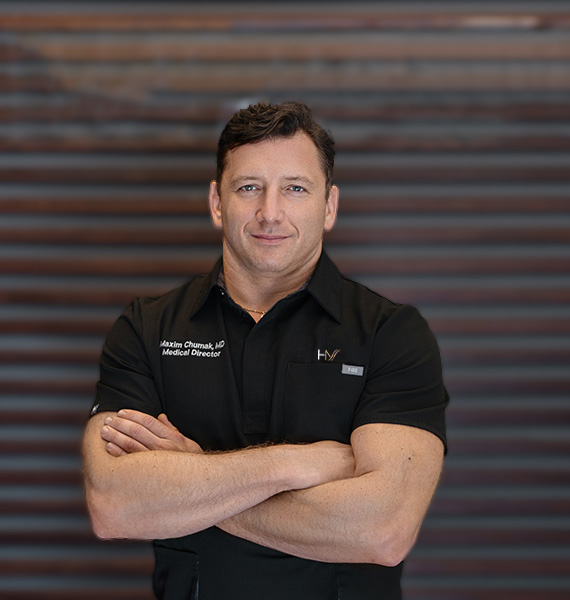
Dr. Max personally performs each step of your procedure.
Dedicated attention to your procedure and its details.
Your scalp condition and donor supply guide the plan.
Hairline design, graft placement, and density considered together.
A hair transplant should look natural and not leave you with an unnatural hairline, poor graft placement, visible scarring, or an overharvested donor area.
Unfortunately, some patients come to us after procedures performed poorly or at so-called “black market” hair transplant clinics, where surgery may involve limited physician oversight, unlicensed technicians, or a high-volume approach that prioritizes cost over individualized planning.
At Hair by Dr. Max, we carefully evaluate what went wrong and create a personalized repair plan. Depending on the case, correction may include redesigning the hairline, improving density, camouflaging scars, and making the overall result look more natural.
A bad transplant does not have to be your final result. Dr. Max can help you understand your options and develop a plan to improve the result.
A disappointing transplant can leave you unsure about trying again. Dr. Max starts by listening, assessing your previous procedure, and explaining what may be improved.
Refine an overly straight or poorly positioned hairline with a design that suits your facial proportions and existing hair.
Assess visible clusters and unusual growth angles. Selected grafts may be removed, repositioned, or softened with additional placement.
Consider targeted grafting for sparse areas, balancing your coverage goals with the donor hair available for repair.
Explore suitable grafting or scalp micropigmentation to reduce the visibility of donor scars and scalp contrast.
Your donor supply, scalp condition, scarring, and previous procedures determine which options are appropriate. More than one stage may be needed.
Hear from patients and see Dr. Max explain actual repair procedures in these four short videos.
Swipe to explore all four videos.
Dr. Max discusses Carmine's previous FUT procedure and the plan for additional restoration.
German describes complications after a transplant abroad, followed by Dr. Max's explanation.
German shares his perspective on Dr. Max's personal involvement and surgical technique.
Dr. Max explains Jang's FUT scar repair and the PRP and oxygen support used.
Videos include clinical and surgical footage. Patient experiences and results vary; treatment is selected individually.
Explore before-and-after results
Find out what may be possible for your own repair.
Discuss your repairA coordinated plan can combine surgical correction with selected scalp, recovery, and maintenance services. Your assessment determines which treatments belong in your plan.
Tap a treatment below to read the details.

Dr. Max evaluates your scalp, existing grafts, donor supply, and hairline goals to plan the correction.
Scalp microanalysis and TrichoLAB imaging help assess hair condition and density. Previous records and photographs add context, while donor planning helps prioritize areas when supply is limited.
You leave with an explanation of the recommended approach, its limitations, and whether treatment should be staged.
Target the hairline, graft placement, coverage, or scars that need correction.

Address misplaced grafts and an unnatural outline.
Treatment detailsSelected grafts can be removed when their position or appearance disrupts the hairline. Suitable grafts may be repositioned, while fine graft placement can soften the transition into existing hair. The approach depends on the tissue and on whether preserving or removing a graft will better support the overall correction.
Role in your repair: Refine the shape and placement of an earlier transplant.
Explore corrective hair restoration
Plan additional coverage around your donor supply.
Treatment detailsFollicular unit extraction collects individual grafts for targeted restoration. Dr. Max offers microsurgical/manual FUE, ARTAS robotic restoration, and NeoGraft FUE. The method is selected around your anatomy, previous procedures, and repair goals. Available donor hair influences how much coverage can be added and which areas should be prioritized.
Role in your repair: Add carefully planned grafts where more coverage is appropriate.
Explore microsurgical FUE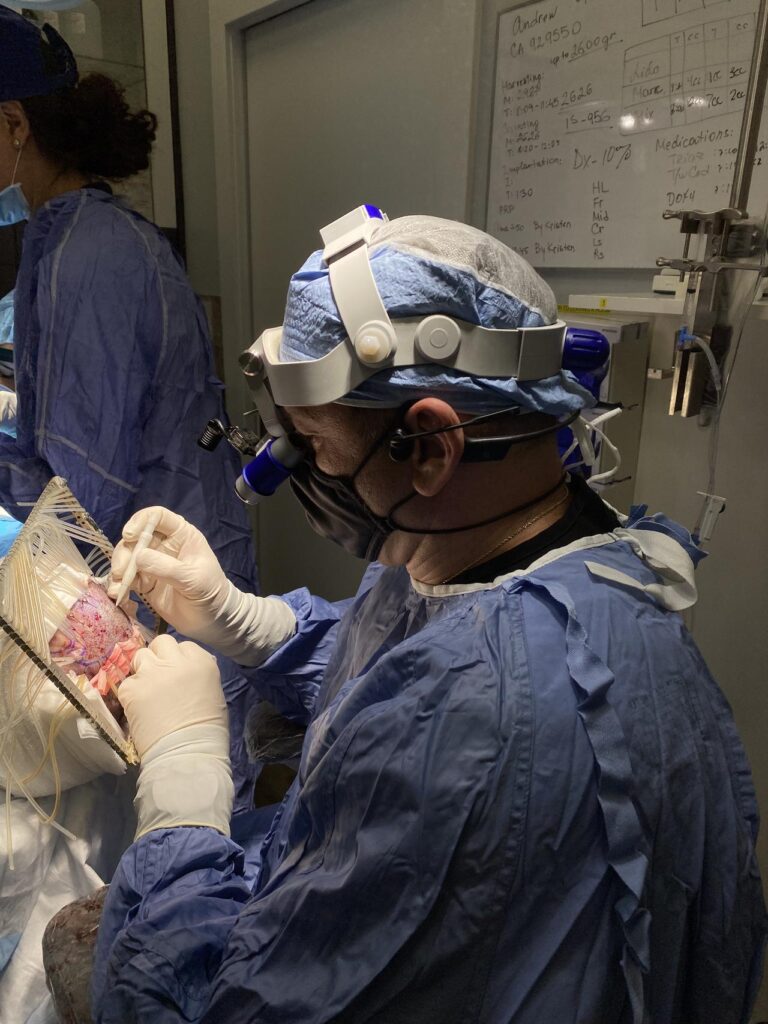
Careful placement, angle, depth, and direction.
Treatment detailsDr. Max uses direct graft implantation to position selected grafts with attention to the surrounding hair and the planned design. In a repair, the aim is to create a more consistent transition between existing and newly placed hair. Graft handling and placement are planned together with the extraction method and the condition of the recipient area.
Role in your repair: Rebuild the hairline or selected areas of density.
Explore direct implantation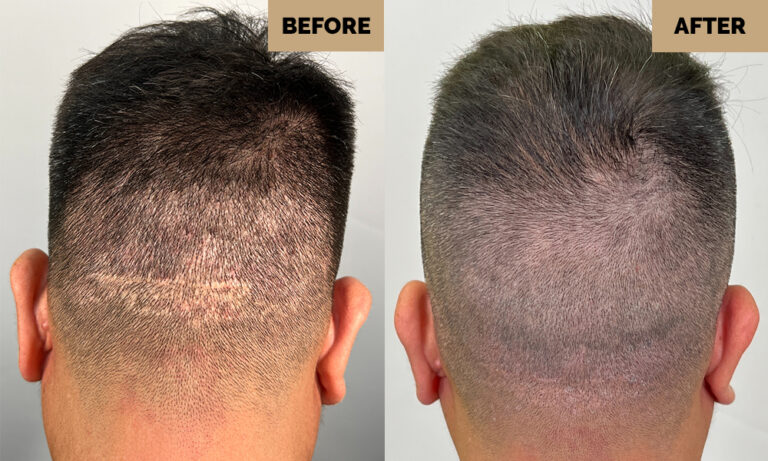
Assess options for a visible donor scar.
Treatment detailsPrevious strip surgery can leave a visible linear scar. For suitable patients, targeted grafting may help camouflage the area. Dr. Max assesses the scar, surrounding tissue, remaining donor hair, and your preferred hairstyle before recommending an approach. Scarring and tissue condition can affect the plan and may make staged treatment appropriate.
Role in your repair: Improve the appearance of a scar; complete removal is not guaranteed.
Explore scar repairOptional services are selected for your needs, rather than added to every repair.

Selected support for the scalp and existing hair.
Treatment detailsCombined Regenerative Therapy (CRT) brings together platelet-rich plasma, targeted scalp microinfusion, and physician-selected active ingredients. PRP is prepared from your blood. These services may be considered before transplantation or within ongoing hair-loss care; the mix and timing depend on your assessment.
Role in your repair: Support selected scalp and existing-hair concerns; graft placement still requires surgical planning.
Explore CRT & PRP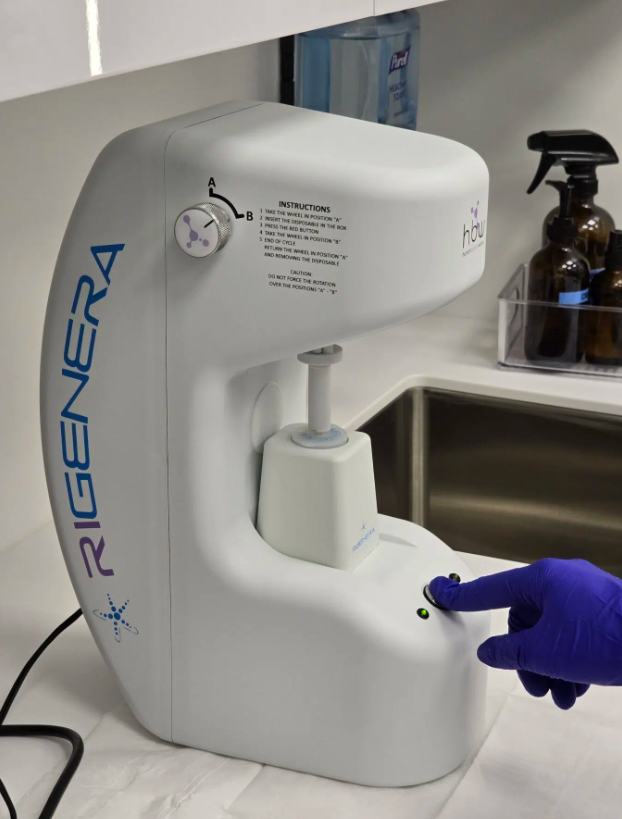
A separate option for ongoing hair thinning.
Treatment detailsSmall tissue samples are collected under local anesthesia, processed into a suspension, and delivered to selected scalp areas. Dr. Max determines whether Regenera Activa is appropriate alongside other care, considering the condition of your existing hair and scalp. It is a distinct service from CRT and transplant surgery.
Role in your repair: An optional part of broader hair-loss management.
Explore Regenera Activa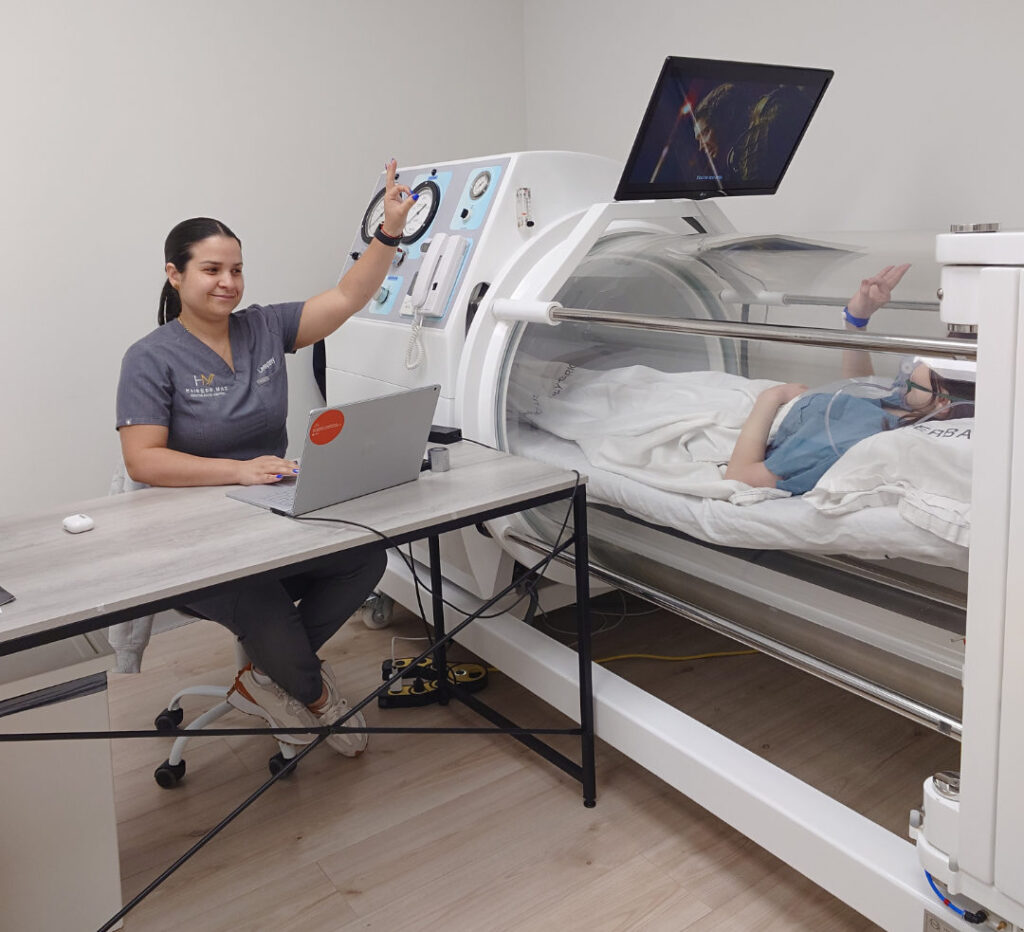
Physician-directed recovery support when suitable.
Treatment detailsHBOT involves breathing oxygen inside a controlled, pressurized chamber. Dr. Max reviews your medical history, scalp condition, and planned procedure before recommending treatment. Preparation, monitoring, timing, and the number of sessions are individualized. The expected benefits and risks are discussed during your assessment.
Role in your repair: Selected support around healing needs; it does not guarantee graft survival.
Explore HBOTDr. Maxim Chumak personally performs every step of your procedure and limits surgery to one patient per day. Your plan includes preparation, recovery guidance, and follow-up.
Diplomate, American Board of Hair Restoration Surgery · Fellow, International Society of Hair Restoration Surgery
Meet Dr. MaxReview your goals, donor assessment, treatment options, and cost.
Follow the personalized surgical and supporting-care plan.
Follow scalp-care instructions and attend your scheduled reviews.
Assess growth over time and discuss further stages when needed.
Many concerns can be improved, but every case is different. Dr. Max evaluates hairline shape, existing grafts, scarring, and donor supply before recommending an approach. Patients whose earlier procedures were performed elsewhere, including abroad, can also be evaluated.
Timing depends on healing and whether hair from your previous transplant is still developing. Bring procedure records and photographs to your assessment. Dr. Max will advise when correction may be appropriate and whether the work should be staged.
Limited donor supply affects the coverage and density that may be achievable. The plan may prioritize specific areas, reposition suitable grafts, or consider scalp micropigmentation for selected concerns.
Any surgery can leave scars. The goal is to improve the overall appearance while planning carefully around existing tissue and donor areas. Dr. Max will explain the scarring risks, limitations, and camouflage options relevant to your procedure.
The cost reflects the correction involved, including graft removal or placement, scar management, and any treatment stages. An individual assessment is needed for a quote. Financing information is available through the clinic.
Tell us what you'd like to change. We'll help you understand your options for hair transplant repair and the next steps in a plan designed for you.