
How Scalp Micropigmentation Works Step-by-Step
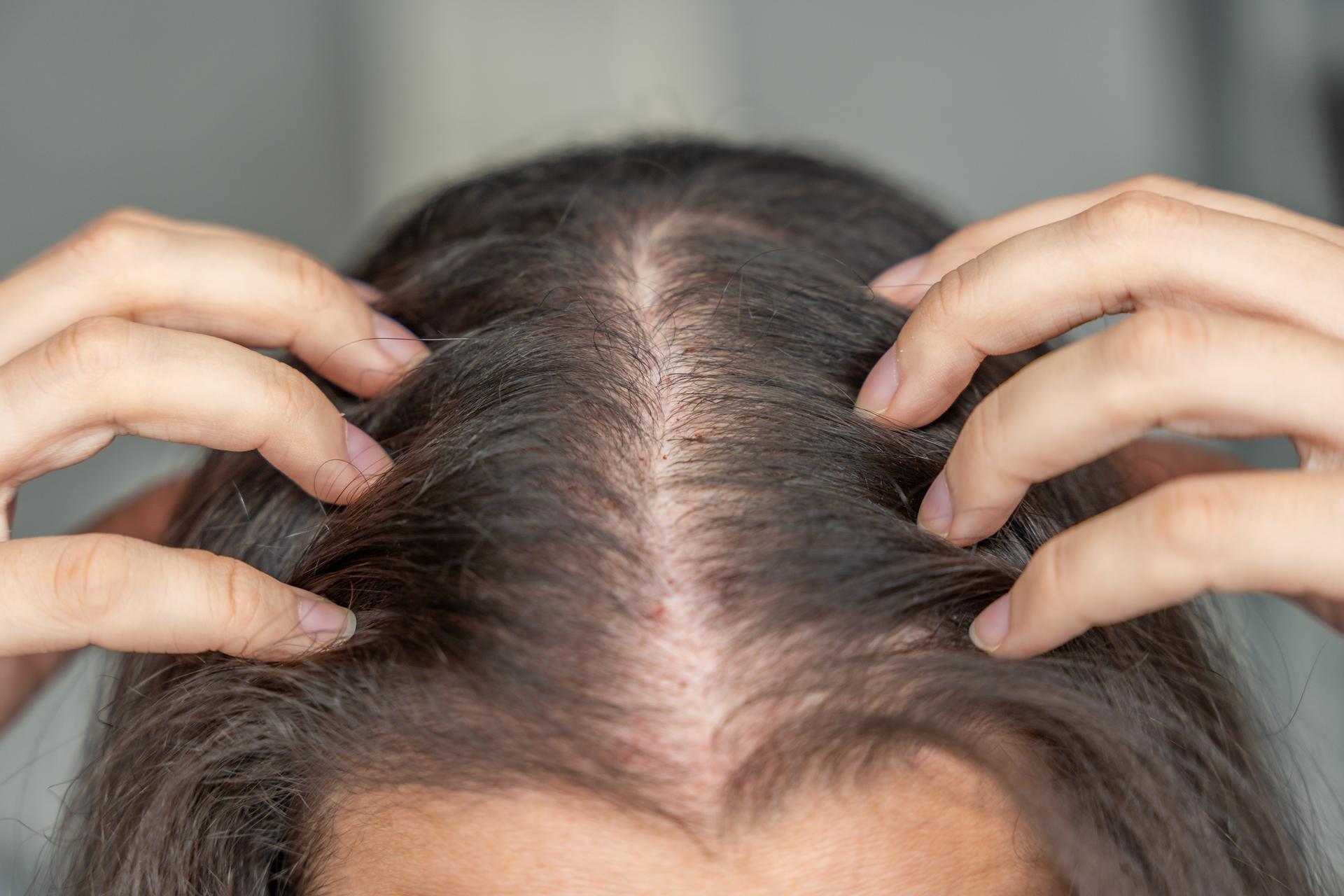
If you have struggled with hair loss, you may already have done your research on all of the available treatments for restoring thinning hair. In some situations, hair regrowth can be effective, and you can use your own biology to have a healthier head of hair. In other cases, hair growth is not possible, and you may need to find other treatments. One option that can be used either alongside other treatments or by itself is scalp micropigmentation (SMP). This is a semi-permanent solution for patients who want to see immediate improvements in their receding hairline. We will take you through the steps of scalp micropigmentation along with everything else you need to know when considering this option. What Is Scalp Micropigmentation? Scalp micropigmentation is a hair loss treatment where tiny deposits of pigment are deposited into the upper layer of the scalp to create the appearance of additional hair growth. Each deposit is carefully placed to look like a single hair follicle, and when they are layered together by the thousands, they make the hair look full. Dr. Max uses a semi-permanent technique that lasts four or five years to allow for future hair loss or changes in hair color. How Does Scalp Micropigmentation Work? The pigment is deposited into the dermal layer just beneath the surface of the skin with a device similar to those used to tattoo the skin. It is similar to microblading for the eyebrows, except instead of creating a hair-like shape, Dr. Max creates tiny points that look like shaved hair after it has started growing back in. The natural scalp is covered in follicles of different sizes and angles. SMP strives to recreate this randomness in the placement and size of each dot. Who Is a Good Candidate for SMP? SMP is often chosen by patients who are experiencing male pattern baldness. This type of hair loss is caused by genetics and a hormone called DHT, which gradually shrinks sensitive follicles until they stop producing visible hair. Scalp micropigmentation can be used in thinning areas to create the appearance of more volume. Another common use for SMP is on a receding hairline. The tiny dots of pigmentation can be used to restore a natural-looking hairline without surgery. Women are also good candidates for this treatment. It can help with a widening part or other areas of thinning. Scalp micropigmentation is also a good option for scars on the scalp that no longer have hair follicles. The pigmentation disguises the scar and makes it less noticeable on the scalp. SMP is also helpful for: People Who Want a Buzzed Look: It recreates the dense shadow of a closely shaved head, even where hair no longer grows. Anyone Avoiding Surgery: It is a nonsurgical choice with no incisions and very little downtime. Those Who Want to Supplement Other Treatments: SMP can be used alongside a hair transplant, PRP and other treatments to enhance the results. Step One: The Consultation and Preparation Every treatment begins with a consultation. This is an important step because every patient is different, with varied degrees and causes of hair loss. Dr. Max schedules plenty of time to discuss every detail about your case, from the health of your scalp to your hair loss pattern. If he determines that scalp micropigmentation is a good option for you, he will design your new hairline and match the shade of the ink to your hair color and skin tone. Preparing for Your Treatment One Week Before: Keep your scalp healthy and hydrated. Moisturize regularly and avoid letting the skin get sunburned or irritated. Several Days Before Your Session: A day or two before your session, stop drinking alcohol and caffeine to avoid thinning the blood or increasing skin sensitivity. Avoid blood-thinning medications unless you have other instructions from your doctor. The Day Of: Wear comfortable clothing and plan for a session that will last several hours. Bring a hat to protect your skin on the way home in case of redness and sensitivity. Step Two: The Treatment Dr. Max will apply the pigment over two to three sessions rather than just one. Separating the treatments in this way will allow him to build on previous results and see how your skin receives the pigment. He can make adjustments to the hairline in the second or third treatment to give you the results you are looking for. During these appointments, he can add dots between the existing points and deepen the shape until there is a full and consistent pattern. During the treatment, you will hear a light, rapid clicking noise from the handheld device and feel a series of quick pricks across the scalp. The treatment causes a mild scratching sensation that varies in discomfort depending on the area of the scalp. It is less painful than a traditional tattoo. The treatment process can take several hours, so you can come prepared to listen to music or a podcast and rest. Step Three: The Healing Process In general, you can expect a similar healing process as a regular tattoo. The area can be sensitive and red and may scab over as it heals. Sometimes the area can itch as part of the healing process. As your scalp recovers, it is important not to pick at the scabs or expose it to UV rays. You should wear a hat or sunscreen any time you are outdoors to protect the sensitive area. Keep the area dry and try not to sweat too much to keep from irritating the skin. Over the next couple of weeks, the pigment will settle into your skin, and the color will soften. Some dots may look lighter as the surface heals. Once the scalp has fully recovered, you will be able to see your full results, and you and Dr. Max can decide whether additional treatments are suitable. Benefits of Scalp Micropigmentation A few of the advantages that draw people to the treatment include: Visible density after the very
The Most Common Causes of Hair Loss in Black Men and Women
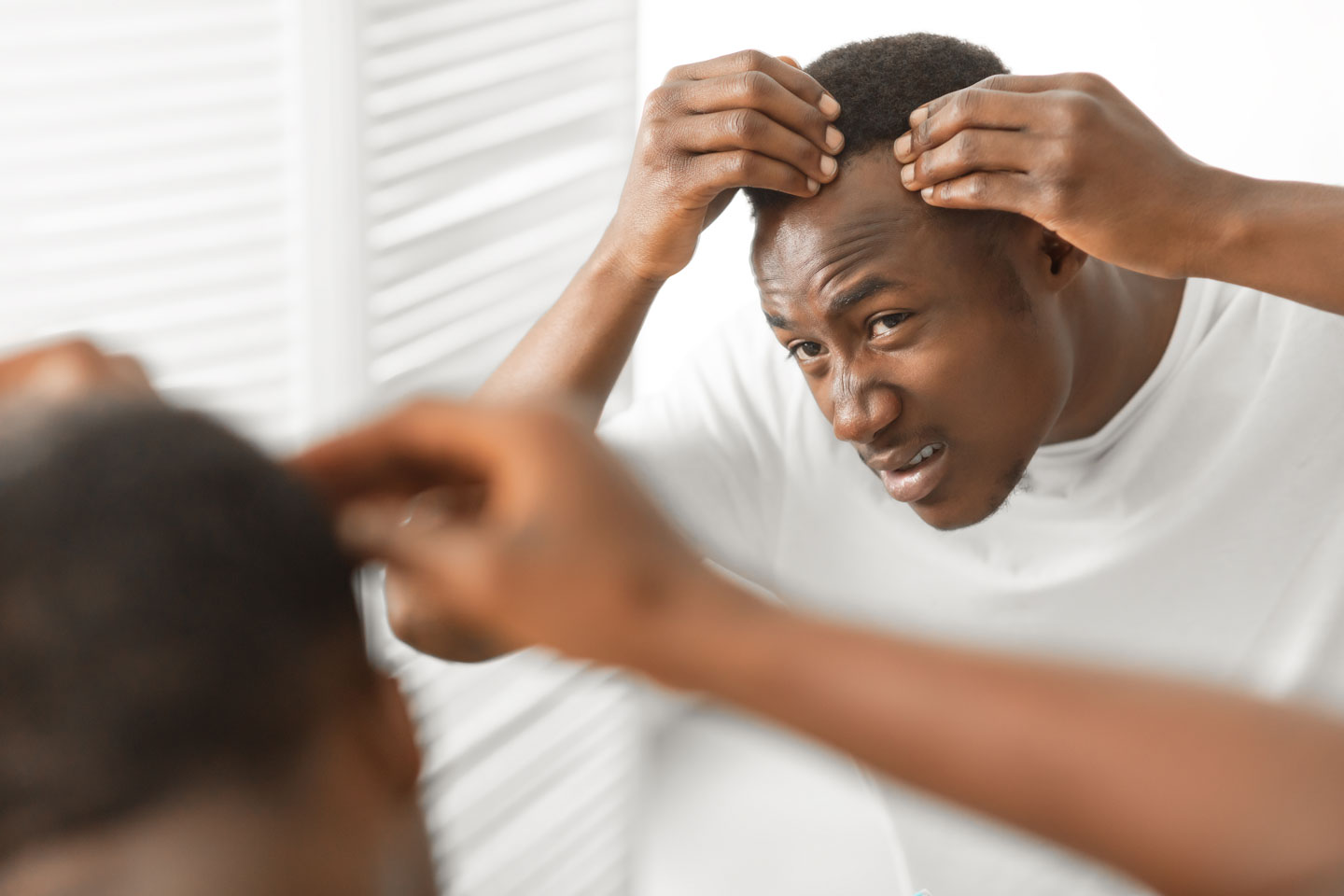
For Black men and women, hair loss can have different causes, triggered by everything from unique genetic tendencies to cultural factors. The texture of the hair and the shape of the follicles have strengths and vulnerabilities that require an expert hand to restore healthy hair growth. The type of treatment that Dr. Max will choose for you at Hair by Dr. Max, Restoration Center, will depend on the cause of your hair loss. How Black Hair Biology Affects Hair Loss African American hair grows from curved, C-shaped follicles that produce a tight coil of textured hair. While the hair looks thick, the curve makes each strand more susceptible to breakage, and it can slow the natural movement of scalp oils down the shaft of the hair. These drier strands and tighter curls leave follicles more sensitive to mechanical pulling and harsh products. Some causes of hair loss in the Black community are related to external factors, while others are internal. Androgenetic Alopecia in Black Men and Women Androgenetic alopecia, commonly called pattern hair loss, is driven by genetics and a hormone called DHT that gradually shrinks follicles that are sensitive to it. Androgenetic alopecia is less prevalent in Black men than in other ethnicities, but it is still common. How Pattern Hair Loss Looks Different in Black Patients Thinning for Black men often starts at the front hairline and crown and progresses more slowly than in lighter-skinned patients. In Black women, the loss is often a widening at the part line with reduced density at the temples and a softer hairline. Why It Gets Misdiagnosed More Often Pattern hair loss in Black patients is frequently mistaken for traction alopecia or styling breakage. Less experienced providers are not trained to look for the subtle signs of follicular shrinkage in textured hair, which can lead to improper or ineffective treatments. A scalp evaluation by an expert with magnification can often separate these causes within minutes. Why Early Diagnosis Changes Your Treatment Options Once a follicle has fully miniaturized, medication or regenerative treatments will not be able to revive it. When your doctor is able to catch pattern loss earlier, this opens the door to a wider range of treatments like DHT-blocking medications, PRP injections, laser therapy and Regenera Activa®. Once the hair loss is more advanced, there are still options for you, including hair transplantation. Traction Alopecia from Protective and Tension-Based Styles Traction alopecia is hair loss caused by repeated pressure or pulling on the follicle. It is one of the most common causes of hair loss in Black women and is reversible in many cases. However, it can become permanent if tension continues for many years. Which Hairstyles Are Linked to Traction Alopecia? Tight braids, cornrows, weaves sewn into braided foundations, daily tight ponytails, locs that carry weight at the root and bonded extensions all place more tension on the follicle. Heat-styled edges and heavy hairpieces can also contribute. Early Warning Signs of Traction Alopecia If you wear tight hairstyles, watch for signs that you may be getting traction alopecia so you can come in for treatment sooner. Look for tenderness or bumps along the hairline after styling or broken hairs at the temple. Some people notice the hairline shifting backward and thinning around the ears. Pus-filled spots may also be present, and the scalp may be itchy, red or scaly. Central Centrifugal Cicatricial Alopecia in Black Women This type of hair loss can affect both men and women of all races, but it is the most common in Black women and is considered the most frequent type of hair loss in this demographic. It has both a genetic and a hair styling element, each of which can exacerbate the other. Here is how CCCA breaks down: Central: This type of hair loss begins in the crown, or center of the head. Centrifugal: The hair loss spreads away from the center, evenly on both sides, and causes more permanent hair loss eventually if not treated soon. Cicatricial: This means “scarring” and occurs when hair follicles in the affected area become damaged and develop scars. Alopecia: Alopecia simply means “hair loss.” The causes of CCCA are still being studied. However, if one or more family members have CCCA, you are more likely to develop it also. This hair loss condition occurs more often in those who are middle-aged. CCCA may be caused by frequent use of heat styling near the scalp, damaging follicles, or by the use of chemical relaxers, though not all women who use these products will develop this type of hair loss. This condition is also associated with inflammation and can cause the scalp to feel scaly or bumpy or to burn and itch. Telogen Effluvium Triggers in Black Men and Women Telogen effluvium is sudden, widespread shedding that happens when a stressor pushes a large number of follicles into the resting phase at once so the body can focus its resources elsewhere. Hair usually grows back once the period of stress is over and the body recovers, but it can take six to nine months for hair growth to stabilize again. Telogen effluvium can occur due to: Postpartum Hormonal Shifts: The estrogen drop after giving birth pushes follicles into shedding mode, often three to five months postpartum. Nutritional Deficiencies: Low iron, vitamin D, zinc and protein can cause hair growth changes, especially in patients on restrictive diets. Chronic Psychological Stress: Sustained cortisol elevation disrupts the growth cycle and can produce shedding months after a stressful period. Significant Illness or Surgery: Major physical stressors like high fevers and recovery from surgery can trigger a shedding episode. Thyroid Dysfunction: Both underactive and overactive thyroid conditions interfere with hair cycling and produce diffuse thinning. Other Scalp Conditions That May Accelerate Hair Loss A healthy scalp is the foundation of healthy hair, and several conditions create chronic inflammation that speeds up follicle damage in textured hair. Seborrheic Dermatitis and Chronic Scalp Inflammation: Persistent flaking, redness and itching irritate the follicle and
Why Can’t Some Men Grow a Full Beard?
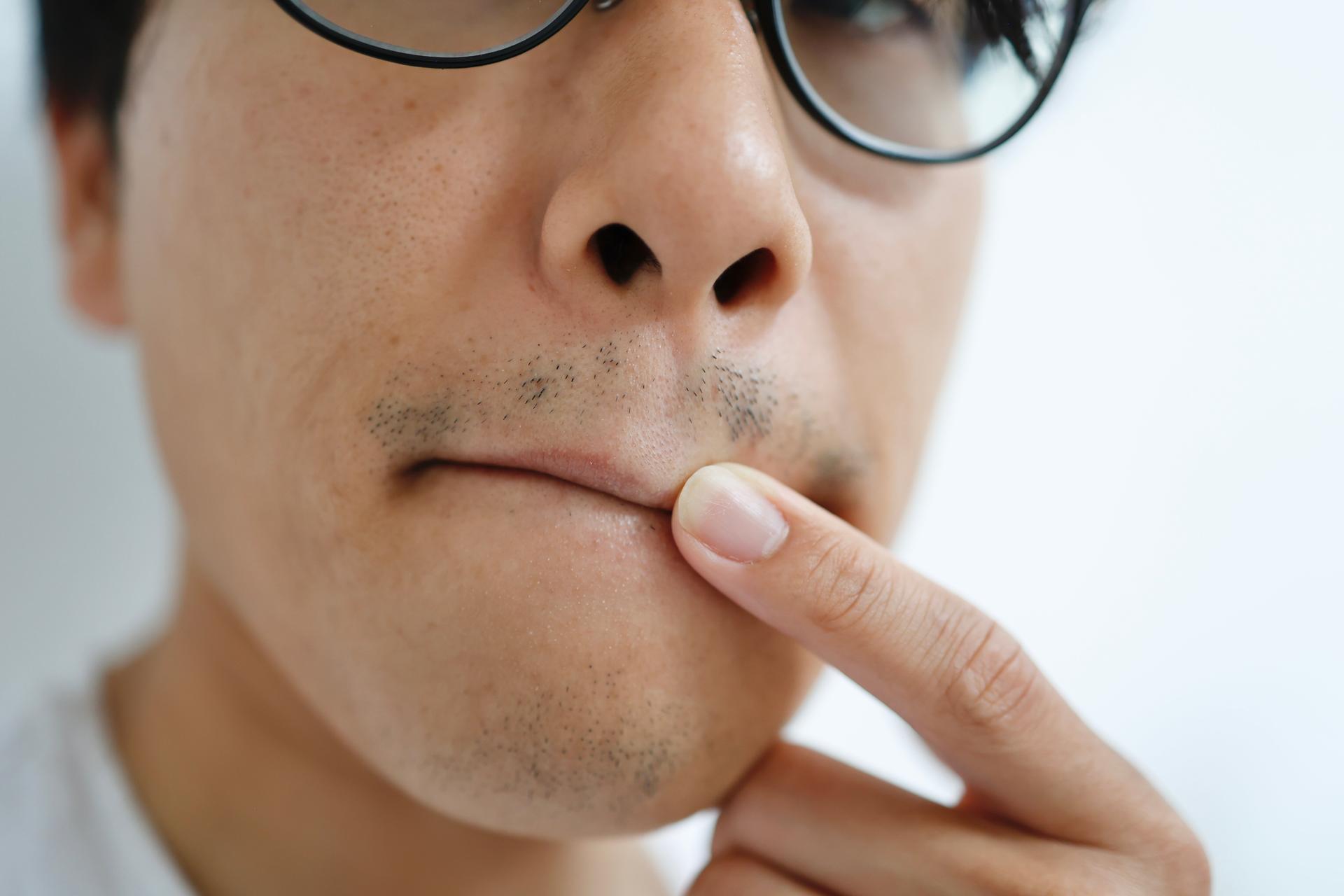
Growing a full, healthy beard is something that comes naturally to certain men. They don’t have to work at it; it just grows across the full face without patchiness. Other men struggle with beard growth, finding that it grows slowly or leaves patches of the face bare. The difference comes down to a wide variety of factors, some of which are internal, while others can be improved through certain lifestyle changes. At Hair By Dr. Max, Dr. Maxim Chumak has spent his career studying hair and hair follicles to understand why they behave the way they do and what can be done about it. Beard Growth Is Controlled by Hair Follicles in the Face Hair on your face and body originates from a tiny structure beneath the skin called a follicle. Each follicle contains a cluster of cells (dermal papilla) that determines whether a follicle produces fine, nearly invisible vellus hair or thick, pigmented hair. In men, the follicles on the face undergo a transformation during puberty where they shift from fine hair to beard hair. This process doesn’t always happen evenly across the face and can be incomplete, resulting in sparse or patchy hair. Genetics and Beard Growth Genetics is the most influential factor in how full your beard becomes. Density, distribution and growth rate are all inherited traits, which is often why members of the same family may share similar beard patterns. Considering Both Sides of Your Family One myth is that beard traits come exclusively from the mother’s side, but research shows that it is polygenic, or influenced by genes from both the mother’s and father’s sides. Looking at the beards of the males on both sides will give you a better forecast of your own beard. Ethnicity Beard density is strongly linked to ethnic background. Men of Mediterranean, Middle Eastern and South Asian descent often have the highest follicle density, while men of East Asian, Native American and Scandinavian descent typically have less. Of course, variation exists within every group, and these are generalizations rather than rules. Follicle Sensitivity to Androgens One of the most misunderstood facts about beard growth is that high testosterone alone does not produce a thick beard. What matters more is how sensitive your follicles are to androgen hormones. Androgen receptors and the enzymes that activate testosterone within the dermal papilla are what regulate whether a facial follicle responds and grows. Two men with identical hormone levels can have very different beards based on receptor sensitivity. How Testosterone and DHT Affect Beard Growth Testosterone is converted into dihydrotestosterone (DHT) by an enzyme called 5-alpha-reductase. DHT binds to receptors inside facial follicles and signals them to grow thicker, darker hair. The same hormone has the opposite effect on susceptible scalp follicles, which is why some men experience a heavy beard alongside thinning hair on top. This is called the androgen paradox, and explains why beard and scalp treatments are not always interchangeable. Age and Beard Development Timeline Beard development is a slow process that takes a decade or more. Most men see their first facial hair from 13 to 16, but the beard does not usually reach its full maturity until the late twenties or early thirties. If you are in your early twenties and your beard still looks thin, sometimes time is all that is necessary to see improvements. We recommend waiting until your 30s to pursue a transplant. Other Factors That Can Limit Beard Growth Nutritional Deficiencies: Hair production demands protein, iron, zinc, biotin and vitamin D. Low levels of any of these can slow follicle activity and weaken hair shafts. Chronic Stress: Sustained stress elevates cortisol, which can push follicles into a prolonged resting phase and reduce active growth in the beard area. Poor Sleep: Most hormonal regulation, including the release of growth hormone, occurs during deep sleep. Chronic sleep deprivation disrupts the cycles that support healthy hair production. Thyroid Disorders: Both hypothyroidism and hyperthyroidism can interfere with the hair cycle. If you have slow or patchy beard growth alongside fatigue or unexplained weight changes, this is worth discussing with your doctor. Alopecia Areata: This is an autoimmune condition that causes the immune system to attack hair follicles, sometimes producing well-defined bald spots in the beard known as alopecia barbae. Skin Conditions: Seborrheic dermatitis, eczema and fungal infections can all inflame the skin and damage the follicles beneath. This is sometimes the cause of thinning or patchy facial hair. Why Are Some Beards Patchy? Patchy beards are often due to uneven follicle distribution across the face. Some regions, such as the chin and mustache, have a higher follicle density than the cheeks. A study indexed in PubMed found that androgen-sensitive follicles can carry roughly four times more androgen receptor expression than their less responsive neighbors, which helps explain why density varies so dramatically across the same face. How Does Scarring Affect Beards? When skin is wounded by acne, burns, surgery or trauma, the underlying follicles can be permanently destroyed and leave smooth patches where hair will never naturally regrow. In these cases, no topical product or supplement will be able to restore follicles. The best option for these men is transplanting healthy follicles from other areas into the scarred tissue. Will Shaving Help My Beard Grow Back Thicker? This is one of the most common myths in both male and female grooming. When you shave, you are cutting the hair at the surface of the skin, leaving a blunt tip that can feel coarser to the touch. However, shaving does not affect the follicle beneath the skin and will not change the thickness or color of your beard. These factors are determined at the follicular level only. What Men Can Do If Their Beards Won’t Fill In Lifestyle Changes If you are under 30, start with the basics. Focus on a diet that is rich in protein and all of the key micronutrients. Set up your schedule so you can get a consistent seven to nine hours of sleep
Robotic Hair Transplantation: What ARTAS iX Does Better and Why It Matters
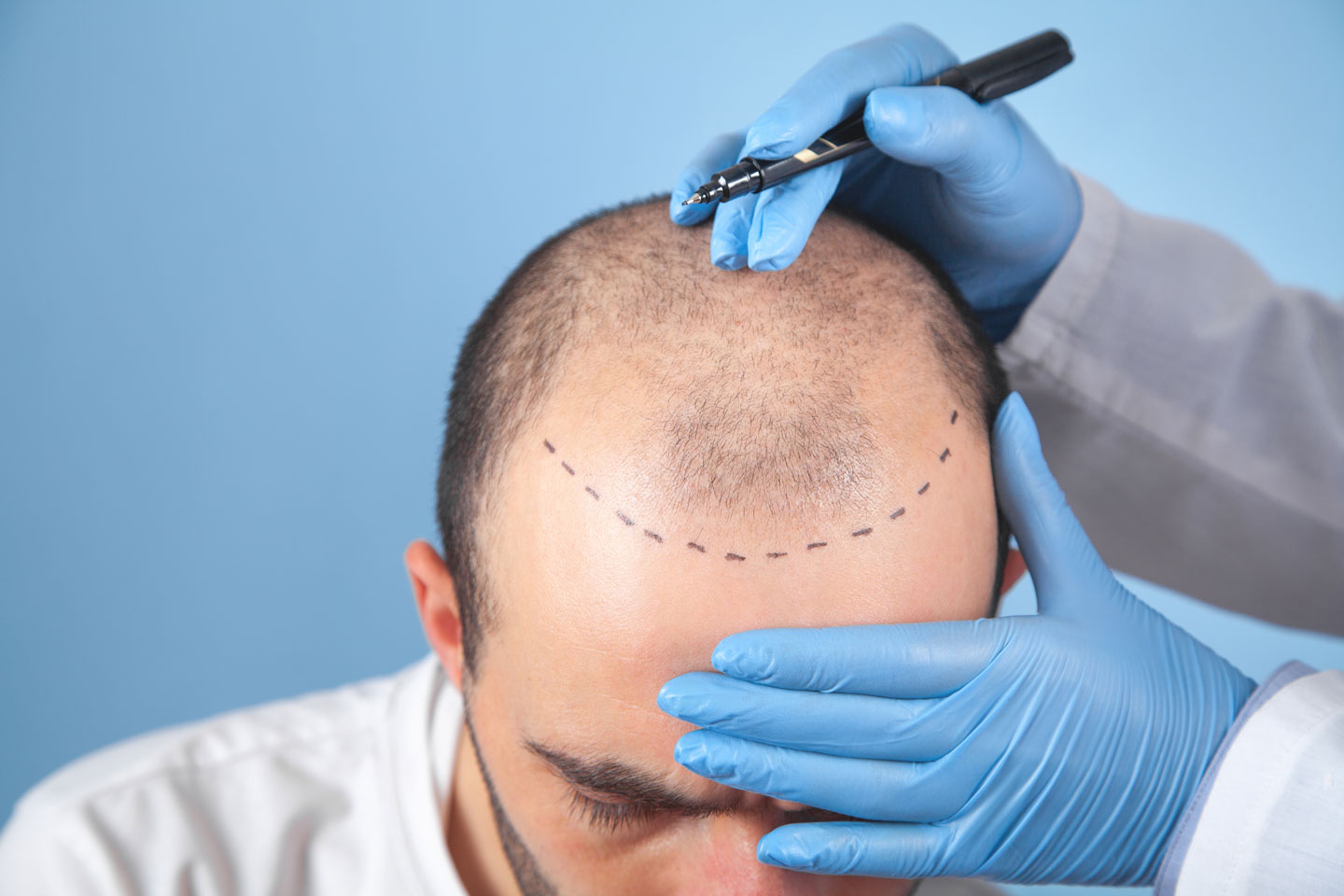
Hair loss affects millions of people, and finding the right solution starts with understanding that no single method works for everyone. At Hair By Dr. Max, Restoration Center, hair restoration is our specialty, and Dr. Max offers a wide range of hair transplant methods, each suited for different types of loss, hair characteristics and patient goals. The ARTAS iX robotic hair transplant system is one of those options, and for the right patient, it can offer a level of precision that is difficult to match manually. This technology uses robotic assistance and artificial intelligence to automate some of the most technically demanding parts of the FUE (follicular unit excision) process. Hair Thinning or Hair Loss? The Difference Between Temporary Thinning and Hair Loss Not all hair thinning means you are experiencing permanent hair loss. Temporary thinning can happen for a number of reasons, including stress, hormonal shifts, nutritional deficiencies or certain medications. In many of these cases, the follicle is still alive, and hair can grow back once the underlying cause is addressed. Permanent hair loss involves the gradual miniaturization of hair follicles, meaning the follicles shrink over time and eventually stop producing visible hair. This type of loss is typically genetic and progressive. It behaves differently from temporary shedding and usually requires a different treatment approach. Recognizing the Signs of Hair Loss One of the first things you might notice is a widening part or more scalp visibility in areas that used to look fuller, especially around your crown or along your hairline. You might also notice that your hair feels thinner when you run your hands through it, or that it doesn’t style the same way it used to. A receding hairline is another sign, particularly in men, where the hairline gradually pulls back from the temples into more of an M-shape. What Is Male Pattern Baldness, and Who Does It Affect? Male pattern baldness, also called androgenetic alopecia, is the most frequently diagnosed form of hair loss in men and follows a predictable pattern that doctors measure using the Norwood scale. It is caused by a genetic follicular sensitivity to dihydrotestosterone (DHT), a hormone that causes prone follicles to shrink and produce thinner, shorter hairs over each growth cycle until they stop producing hair entirely. This type of hair loss can start as early as the late teens or early twenties. Why Treating Male Pattern Baldness Early Leads to Better Results Once a follicle has fully miniaturized and gone dormant, it becomes much harder to restore growth in that area without surgical intervention. Catching hair loss in its earlier stages gives you more options, including non-surgical treatments like medication or low-level laser therapy that can help slow the progression of hair loss and preserve your existing hair. Hair Restoration Options and How They Compare Medications Several prescription medications can help slow or reduce hair loss, and we often use them as a first step or alongside other treatments. Topical finasteride is one we frequently recommend because it targets DHT directly at the scalp, delivering the active ingredient where it’s needed most while limiting how much is absorbed into the rest of the body. Topical dutasteride works similarly but blocks more of the enzymes responsible for DHT production, which can make it a better fit for patients who haven’t responded well to finasteride or have developed a tolerance. We also prescribe minoxidil. All of these are prescription-only and require a consultation with Dr. Max to determine what’s appropriate. FUT Transplant Surgery Follicular unit transplantation (FUT) is a surgical method where a strip of tissue is removed from the donor area at the back of the head and then dissected into individual grafts for placement. It was the standard approach for many years, but it leaves a linear scar along the donor site that can be visible with shorter hairstyles. Now that follicular unit extraction (FUE) technology has advanced, FUT is far less frequently performed. Dr. Max uses FUE-based methods. FUE Transplant Surgery Follicular unit extraction (FUE) is a hair transplant method that removes individual grafts directly from the donor area through small circular incisions, typically less than a millimeter in diameter, which heal as tiny dots rather than a long scar. FUE is a better option for patients who want the flexibility to wear their hair short after the procedure. There are many different FUE approaches available today, ranging from fully manual techniques to robotic-assisted systems like the ARTAS iX. Their primary differences come down to how grafts are extracted and what level of technology is guiding the process. What Is ARTAS iX? The ARTAS iX is a robotic hair transplant system that assists with the graft harvesting phase of an FUE procedure. It uses a robotic arm guided by artificial intelligence and a multi-camera system to identify and extract individual follicular units from the donor area. The cameras map the scalp during the treatment, analyzing hair angle, direction and spacing so that each extraction is calculated. Dr. Max oversees and directs every moment of the process. Why Choose ARTAS iX? One of the biggest advantages of the ARTAS iX system is the consistency it brings to graft harvesting. Manual FUE relies entirely on the surgeon’s hand and eye for every single extraction. The ARTAS iX doesn’t fatigue, so the quality of extraction can remain steady from the first graft to the last. Its imaging system also helps minimize damage to surrounding follicles during harvesting, which can help preserve the donor area for future procedures. The Science Behind ARTAS iX AI-Powered Follicle Mapping The ARTAS iX uses machine learning algorithms trained on thousands of hair restoration cases to evaluate the donor area before a single graft is touched. It categorizes follicular units by the number of hairs per graft, their growth phase and their position relative to neighboring follicles. This data allows the system to prioritize which grafts to harvest and which to leave in place so the donor area still looks full and even afterward. Robotic
Why Some Hair Loss Treatments Work Better Than Others

Hair loss is not the same for everyone, which is why results can vary so widely when patients use the same treatments. The cause of hair loss is the primary reason for this, with factors like genetics, hormones, inflammation and scalp health all influencing when hair thinning starts and how quickly it progresses. What works well for one patient may do very little for another if the underlying cause is not properly identified. The best way to find out whether a specific approach can help you is through a consultation with a provider who knows hair and specializes in hair loss treatments. At Hair By Dr. Max Restoration Center, we see patients across South Florida and help each person find the treatments that work best for them. Dr. Max will find out what is driving your hair loss and then create a plan that is unique to you. Why Does Hair Loss Happen? Hair grows in cycles, and anything that disrupts the growth phase can lead to thinning. Sometimes hair growth is disrupted by follicular sensitivity to a hormone called DHT, which is determined by genetics and leads to male or female pattern baldness. Hair loss can also happen because of periods of high stress, a condition that is usually temporary, though distressing. Other causes of hair loss are scalp inflammation, tight hairstyles, autoimmune diseases and hormone imbalance. Why Does Hair Loss Severity Impact Treatment? When you first start noticing thinning hair, you will likely have more treatment options available to you. Follicles that are less productive but still active often respond well to treatments that stimulate blood flow and activate healing responses. If you have more advanced loss, the most effective treatments may be surgical options like follicular unit extraction. How Do Hair Loss Treatments Work? Most non-surgical hair loss treatments work by stimulating dormant follicles, blocking disruptive hormones or creating a healthier scalp environment. Some options support blood flow or increase nutrient delivery to the follicles. Others reduce inflammation in the scalp that may be inhibiting follicle function. With surgical hair restoration methods, follicles are harvested from healthier parts of the scalp and placed in areas that are thinning or balding. Which Treatment Will Work Best for You? Option 1: Growth Factor Therapy Growth factor therapy uses concentrated components from your blood to support hair follicle activity and make your scalp healthier. After a blood draw, the sample is processed to isolate growth factors, which are injected into thinning areas. These growth factors interact with the follicles to help with cellular signaling and improve follicle function. This therapy can be used on its own or alongside other hair restoration methods. When Does Growth Factor Hair Restoration Work Best? Growth factor therapy tends to work best for patients in the early to moderate stages of hair thinning who still have active follicles. It can be especially helpful when thinning is related to stress, hormonal changes or nutritional factors. Patients looking for non-surgical hair thinning solutions can consider this option before moving on to surgical approaches. It is also used to help with healing and graft health after a hair transplant. When Might Growth Factor Hair Restoration Be Less Effective? Growth factor therapy may be less effective for patients with advanced hair loss where follicles are no longer active. Areas with long-standing baldness or scarring are not suitable for this treatment because there are few active follicles left to stimulate. Patients with untreated underlying medical conditions may also see less improvement until these factors are addressed. Option 2: Medications Hair loss medications either block DHT or stimulate follicle activity to slow down shedding and improve growth. DHT blockers inhibit the enzyme that converts testosterone to DHT. Minoxidil encourages follicles to stay in the growth phase longer through improved blood flow and may also increase the thickness of each strand. At Hair By Dr. Max Restoration Center, we offer oral and topical prescription options that can be used on their own or alongside other treatments for stronger results over time. Who Are Hair Loss Medications Right For? Hair loss medications are best for patients in the early to moderate stages of thinning who still have functioning hair follicles. They’re often a good starting point for men or women who want non-surgical treatment options and may be useful for maintaining progress after a transplant or other hair thinning solutions. Option 3: Regenera Activa Regenera Activa is a regenerative therapy that uses micrografts made from your own tissue to stimulate dormant hair follicles. In a single session, Dr. Max extracts small skin samples from the back of your scalp, processes them to isolate growth factors and progenitor cells, then injects the solution into thinning areas. This triggers your scalp’s natural repair response and improves blood flow without medication. This treatment is a good fit for those looking for a less invasive option that is natural and biocompatible. Option 4: Laser Hair Therapy (Capillus®) This treatment is an at-home method of treating hair thinning and stimulating regrowth. The wearable device fits discreetly under a regular hat and delivers red light directly to the scalp to improve blood flow and support follicle health. Capillus® uses diode lasers to penetrate deeper into the scalp. Each treatment takes just six minutes a day. When Do We Recommend Capillus Laser Hair Therapy? Because it’s portable, non-invasive and easy to use consistently, this device works well for men and women looking for convenient, ongoing support between in-office treatments. Option 5: Follicular Unit Extraction Follicular unit extraction, or FUE, is a type of hair transplant technique where individual follicular units (two to four hairs) are moved from the back or sides to thinning or balding areas. Using this method, follicles can be harvested without creating a linear scar. This process also allows for more precise placement that mimics natural growth patterns. This option is suitable for those with enough healthy donor hair, where the grafts are expected to survive well in the new location. While this technique is consistent
How Hair Follicles Age: The Biology of Hair Loss (And What We Can Change)

Some people have hair loss built into their genetics, with certain follicles that are more likely to shrink and eventually stop producing hair. This type of hair loss can happen to both men and women, and it isn’t just limited to older individuals. We will take a closer look at how the biology of hair follicles can lead to hair loss and explain which factors can be addressed with treatments. At Hair By Dr. Max, Restoration Center, these conversations take place every day with our patients. We can help you understand why your hair is changing and what options you may have to enjoy a full head of hair again. The Life Cycle of a Healthy Hair Follicle What Is a Hair Follicle? A hair follicle is a small but complex structure within the scalp that surrounds the hair root and controls how hair forms, grows and sheds. Each follicle contains a tiny structure called a dermal papilla that contains blood vessels and signaling cells that regulate nutrient delivery and growth activity. When all of these components are functioning normally, the follicle can repeatedly produce strong hair fibers. The Hair Growth Cycle Hair in a healthy follicle follows a repeating cycle made up of three main phases: anagen (growth), catagen (transition), and telogen (rest). Anagen is a phase that can last for several years, during which the follicle actively produces hair. After this stage, it enters a brief slowdown phase, catagen, when the follicle separates from its blood supply. In the telogen phase, the hair rests and then sheds the old hair, allowing the follicle to reset and begin a new growth phase. Those who genetically have a longer growth phase can often grow their hair out longer than those with a shorter growth phase. What Healthy Growth Looks Like Healthy hair growth depends on follicles spending most of their time in the growth phase rather than the resting phase. The scalp maintains a balanced ratio where shedding is gradual, and replacement hairs grow in at a similar pace. When the follicles are also supported by stable blood flow and normal cellular signaling, hair can stay dense and healthy. What Happens as Hair Follicles Age Aging vs. Genetic Hair Loss Natural aging affects all hair follicles to some degree, but genetic hair loss follows a more specific pattern driven by inherited sensitivity to hormones. As an individual ages, their hair growth may slow gradually across the scalp. Hair may also become a little thinner and may feel drier and more brittle. Genetically influenced hair loss will often target specific areas of the scalp, like the crown and temples, and often has a much more predictable progression. Genetic hair loss can also happen earlier and more aggressively than hair loss influenced by age alone. Changes Inside the Follicle With Age As follicles age, the growth phase shortens, and the resting phase lasts longer, reducing the time hair spends actively growing. The dermal papilla may receive less consistent support from nearby blood vessels and become less responsive to growth signals inside the follicle. Repeated cycles of reduced growth can cause follicles to produce finer hair that is more likely to shed. What Is Androgenetic Alopecia? Androgenetic alopecia is the scientific name for the type of genetically driven hair loss that we have been discussing. This type of hair loss affects both men and women, though it is more common in men, affecting around 50 million men compared to 30 million women in the U.S. In men, androgenetic alopecia usually follows a pattern of recession at the temples and thinning at the crown since follicles in these areas have more genetic sensitivity to the hormones that cause hair loss. Women are more likely to notice thinning that is spread out along the top of the head, with a hairline that is mostly left intact. While certain lifestyles or haircare habits may worsen the situation, people with androgenetic alopecia will experience hair loss regardless of how well they care for their scalp and hair. A Closer Look at Hormones and Hair What Are Androgens? Androgens are a class of hormones that regulate different biological functions related to growth, metabolism and tissue function. They are involved in muscle development and oil production in the skin, and they also influence the communication between cells that controls how tissues respond to internal signals. These hormones circulate through the body and exert effects by binding to androgen receptors found in specific cells. In the scalp, androgens interact with receptors inside hair follicles and affect how active a follicle is. The concentration and sensitivity of these receptors are different across the scalp, which explains why genetic hair loss only affects certain follicles. What Is DHT? Dihydrotestosterone, commonly called DHT, is an androgen that is created when testosterone is converted into a more biologically active form. DHT binds tightly to androgen receptors. In certain areas of the scalp, follicles contain more of these receptors. When DHT attaches to them, it triggers signals inside the follicle that influence how hair is produced. If follicles have genetic sensitivity, DHT changes the environment that supports hair production and leads to shorter growth phases and finer hair strands. What Is Follicle Miniaturization? Miniaturization is a process where a follicle gradually becomes smaller and less productive. Early on in this process, there may still be hair, but it will be thinner and shorter, and often lighter in color with a weaker structure. Changes aren’t always obvious right away, but they are the foundation for noticeable thinning. What Happens When You Don’t Treat Miniaturization? If follicle miniaturization continues without intervention, the follicles will eventually reach a point where they stop producing hair. At this stage, the follicle will still be there, but will no longer be able to create a normal hair shaft. After this point, options for treating hair loss decrease. What Factors Can Accelerate Androgenetic Hair Loss? While these factors don’t directly cause androgenetic hair loss, they can sometimes make the situation
Us vs. Them: How a True Hair Specialist Approaches Your Transplant Differently
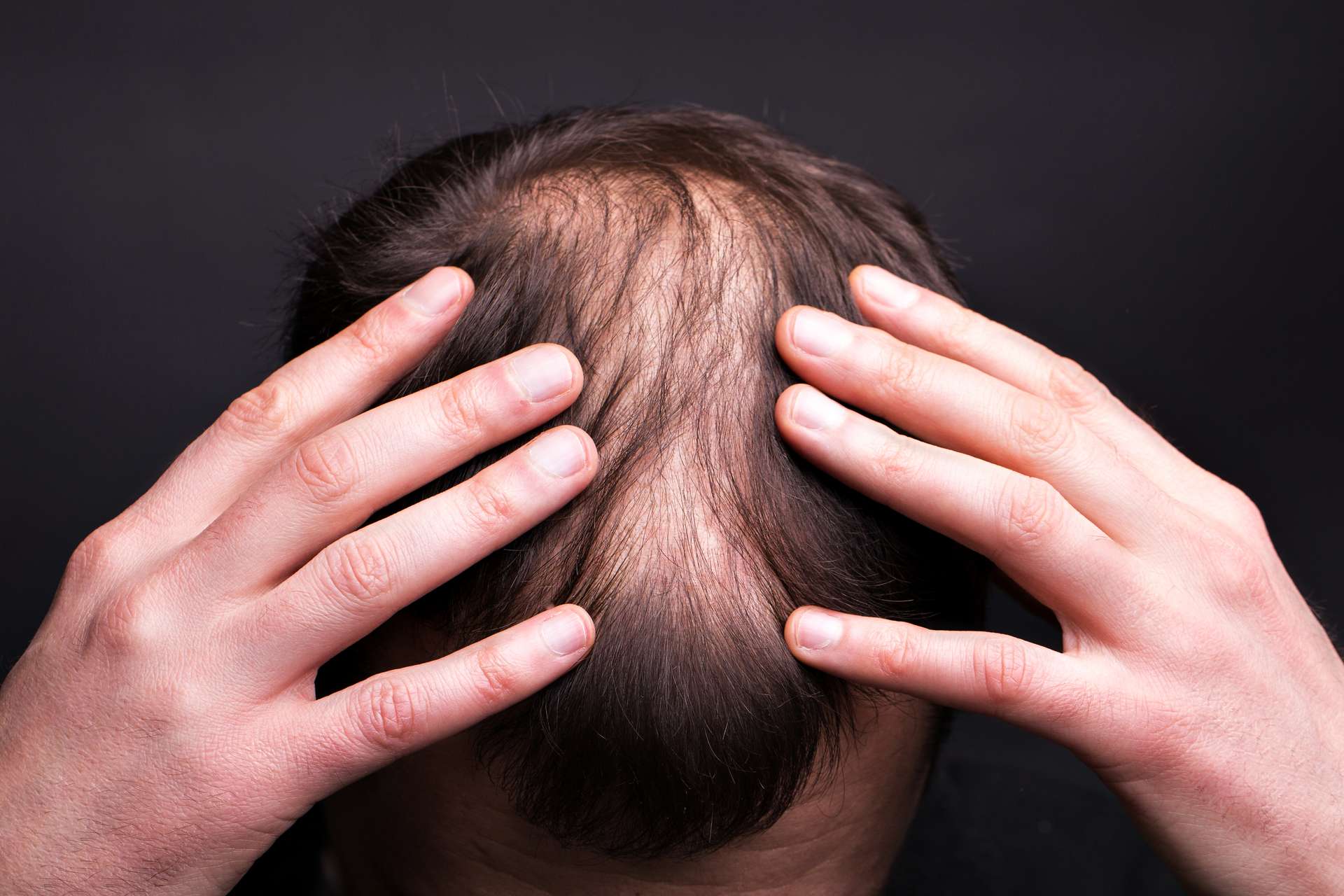
Some physicians build their careers around broad medical services. Others focus on one area and commit to understanding it from every angle. Both approaches are important, but when you have a specific concern like hair loss, with challenges and patterns that are unique to you, it is important to find a physician who specializes in the diagnosis and treatment of your condition. Dr. Maxim Chumak and his practice are different from others that offer similar services. Hair restoration treatments can be found in many different clinics throughout Florida, but at Hair By Dr. Max Restoration Center in Fort Lauderdale, the entire practice is centered around hair loss treatments and helping men and women enjoy a full head of hair again. Dr. Max also manages every aspect of care himself, from the simplest to the most complex of cases. Why Do Experience and Credentials Matter for Hair Restoration? Often, hair loss treatments are an add-on, placed alongside a long list of unrelated services. In this context, hair restoration decisions can sometimes be guided more by convenience rather than a deep familiarity with hair growth, scalp health and surgical technique. Credentials and hands-on experience both matter because hair loss is not a single issue with a single solution. One of the most important certifications to look for is board certification by the American Board of Hair Restoration Surgery (ABHRS). While anyone with a medical license is allowed under the law to perform hair transplants, Dr. Max strongly believes that this surgery should only be performed by a hair transplant surgeon and should not be passed on to technicians who do not have the training or experience that a surgeon would have. He is a Fellow of the ABHRS, which is someone with the highest standards in ethics, experience, skill and knowledge. Distinguishing Between Genuine Qualifications & Marketing Titles Titles can sound impressive, but they can’t always be backed up with the proper experience and credentials. Anyone can use labels like “hair expert” or “hair restoration specialist” without any formal training in the field. These phrases are not regulated and can be used freely. Board certification in hair surgery and active membership in organizations like the International Society of Hair Restoration Surgery (ISHRS) are more reliable indications of a surgeon’s experience in the field. You can easily check a provider’s background. Ideally, the provider should have information like board certification listed on their website, but you can review medical licensure status, training history and affiliations through state medical boards or directly through the online directories of professional organizations. When a provider’s qualifications are legitimate, they are easy to confirm through public, third-party channels. Providing Variety and Quality in Hair Restoration Technology Practices that treat hair loss as a side offering often lack the full range of tools and technology needed to properly evaluate and treat different types of hair loss. Even when they invest in newer technology, the equipment alone does not improve outcomes without skilled hands behind it. Devices can automate certain steps, but they cannot select the right technique, determine the appropriate graft count or adjust for real-time variables during the transplant. A true specialist understands that tools are just one piece of the equation. Skill, clinical judgment and precision play a larger role in shaping outcomes than the equipment itself. Choosing between FUE, FUT, or other grafting methods, knowing when to combine approaches and maintaining graft viability during extraction and placement all require decision-making that no machine can replicate. Our Technologies ARTAS® Robotic System The ARTAS robot uses digital mapping and image-guided robotics to assist with FUE (follicular unit extraction) procedures. It identifies eligible grafts, tracks angles, and extracts follicles with a high level of consistency. Dr. Max uses its speed with direct surgical oversight to retain control over the outcome. WAW FUE System The WAW (wet, automated, and wet) system is a hybrid punch that minimizes trauma to surrounding tissue during graft extraction. This technology is valuable when working in sensitive or curved areas of the scalp, where precision and preservation of surrounding follicles are especially important. It reduces transection rates and helps preserve the integrity of each graft. Trivellini Mamba System The Trivellini system offers variable rotation, oscillation and vibration modes to adjust the extraction technique during treatment. This flexibility allows us to adapt to different hair types, skin thicknesses, and scalp conditions. It’s particularly useful in patients with tightly curled or coarse hair, where standard extraction tools may be less effective. NeoGraft® NeoGraft is a semi-automated FUE system that assists with both harvesting and implantation. It requires strong surgical judgment to determine graft placement and handle adjustments during the procedure. Regenera Activa® Regenera Activa is a regenerative treatment that uses micrografts derived from your own tissue to activate weak or dormant hair follicles. It is a complementary therapy used in earlier stages of hair loss or as support following surgery. It helps improve hair density and scalp health through cellular stimulation. Dr. Max’s Proprietary Implantation Technique Dr. Max has developed a proprietary approach to graft implantation that allows for faster placement without compromising precision. This technique improves graft survival by minimizing the time each follicle spends outside the body. It also supports better density and angling, especially in high-visibility areas like the hairline and temples. He also uses microscopic cameras to count each implanted graft. Hyperbaric Oxygen Therapy (HBOT) as a Tool for Better Results We are the only hair restoration clinic to use hyperbaric oxygen therapy during our hair transplants. During hyperbaric oxygen therapy, you breathe 100% oxygen in a pressurized chamber. This allows oxygen to dissolve more effectively into the bloodstream and increases oxygen delivery to tissues that are healing or under stress. Higher oxygen levels improve tissue repair by supporting new blood vessel growth and reducing inflammation. This is important during hair restoration when grafts are more vulnerable. HBOT creates a more favorable healing environment and improves oxygen supply to the transplanted follicles and surrounding scalp tissue. We use
From Stress to Strands: How Life Events Can Trigger Hair Loss — And How to Bounce Back

Your hair can reveal a lot about what’s happening inside your body. When your health is balanced and your stress levels are steady, your hair often reflects that vitality with steady growth and resilience. But when life takes a toll and stress begins to affect your hormones, nutrition, and sleep, your scalp and follicles can be among the first to react. At Hair By Dr. Max, we see how deeply stress-related hair loss can affect both men and women. Major life events, whether emotional, physical, or environmental, can interrupt your hair’s natural growth cycle and cause shedding that may appear suddenly. We focus on identifying the root triggers and providing medical solutions that can help you regain stronger, healthier hair growth after stressful seasons. How Stress Affects Hair Growth Stress can interrupt the natural rhythm of your hair’s growth cycle. During periods of intense stress, a larger number of follicles can enter a resting phase called telogen effluvium, which leads to increased shedding a few months later. Elevated levels of cortisol, the body’s primary stress hormone, can also restrict blood flow to the scalp and limit the delivery of nutrients to the follicles. Chronic tension may alter hormone balance and inflammation levels and make it harder for new strands to grow. This disruption can lead to thinner, weaker hair and slower regrowth until the underlying stress is addressed. Common Types of Stress-Related Hair Loss Telogen Effluvium When a large number of follicles enter the resting phase because of stress, it is known as telogen effluvium. Hair that would normally continue growing begins to shed prematurely, often several weeks after the triggering event. Individuals may notice increased hair fall during washing or brushing, along with a general decrease in hair density. Once the stressor subsides, growth can gradually return as the follicles reset. Alopecia Areata Autoimmune reactions can be triggered or intensified by emotional or physical stress, causing the body’s immune system to mistakenly target healthy hair follicles. The result is patchy hair loss that can appear on the scalp, beard, or other areas. While this type of hair loss does not have a cure, treatments can encourage regrowth and help you manage your symptoms. Trichotillomania Stress can also lead to behaviors that physically damage the hair. Trichotillomania is a condition where an individual feels an uncontrollable urge to pull out strands from the scalp or other areas. The act often provides short-term relief from tension but can result in noticeable thinning and breakage. Addressing the emotional triggers and repairing the damaged follicles can help restore healthier hair growth. Can the Body (and Hair) Recover After Stress? The body can recover from stress once hormone levels and internal systems begin to stabilize. As the nervous system calms and cortisol production decreases, the scalp receives better circulation, and hair follicles can gradually return to their active growth phase. Nutrition and rest have a strong influence on how quickly this recovery happens, and neglecting either can slow the process, which is why we recommend a holistic plan. Some people notice improvement within a few months, while others may require more time. Treatments that improve scalp blood flow and stimulate follicle activity can help support healthy hair regrowth. Supporting Your Hair and Scalp Health During Stressful Times Nutrition Balanced eating supports every cell in your body, including the ones responsible for growing hair. Protein, iron, zinc, and biotin are building blocks that help keep follicles strong and active. Omega-3 fatty acids from foods like salmon or flaxseed can calm inflammation that interferes with growth. When your diet is consistent and nutrient-rich, your body has what it needs to recover and maintain healthy strands. Sleep and Exercise Rest and movement have a direct influence on your body’s repair systems. Quality sleep allows the scalp and follicles to regenerate, while exercise improves circulation and helps regulate stress hormones. Even short daily walks can make a difference by keeping oxygen and nutrients flowing to the scalp. Mindfulness Practices Stress management is not only about slowing down but also about teaching your body how to respond differently to pressure. Deep breathing, yoga, and meditation help lower cortisol and improve overall well-being. Simple mindfulness habits practiced regularly can reset your body’s stress response and indirectly support stronger hair growth. Find techniques that are right for you to decompress throughout the day and help you manage unavoidable stressors. Scalp Care Healthy hair starts where it grows, and the scalp often needs as much attention as the hair itself. Gentle cleansing removes buildup that can clog follicles and interfere with growth, while light massage improves circulation and encourages nutrient delivery. Hydrating serums or topical treatments can support scalp balance when stress leads to dryness or irritation. Regular care helps avoid hair thinning and keeps the foundation for growth in better condition. Preventive and Restorative Strategies When Hair Loss Persists FoLix™ FoLix™ by Lumenis is a nonsurgical solution for hair loss that uses fractional laser technology to stimulate natural regrowth. The treatment enhances blood flow and activates growth factors within the scalp, helping to reactivate dormant follicles and create a healthier environment for growth. Each session lasts about 30 minutes and involves no chemicals, surgery, or downtime. Regenera Activa® Regenera Activa® uses a small sample of your own tissue to create a concentrated suspension of regenerative cells. These cells are then reintroduced into thinning areas to restore natural growth activity. The treatment stimulates follicle repair using your body’s own resources and can slow shedding and strengthen new strands. It is often recommended for early to moderate thinning before more advanced loss occurs. Capillus® Cap The Capillus® Cap uses low-level laser therapy to energize hair follicles through consistent light exposure. The device can be worn at home for short daily sessions and is an easy addition to any hair loss treatment plan. Light energy encourages follicles to stay in their growth phase longer and supports thicker strand development. Autologous Growth Factor Injections Growth factor injections use your body’s own concentrated plasma to
Early Signs of Hair Loss: What to Look for & When to Act
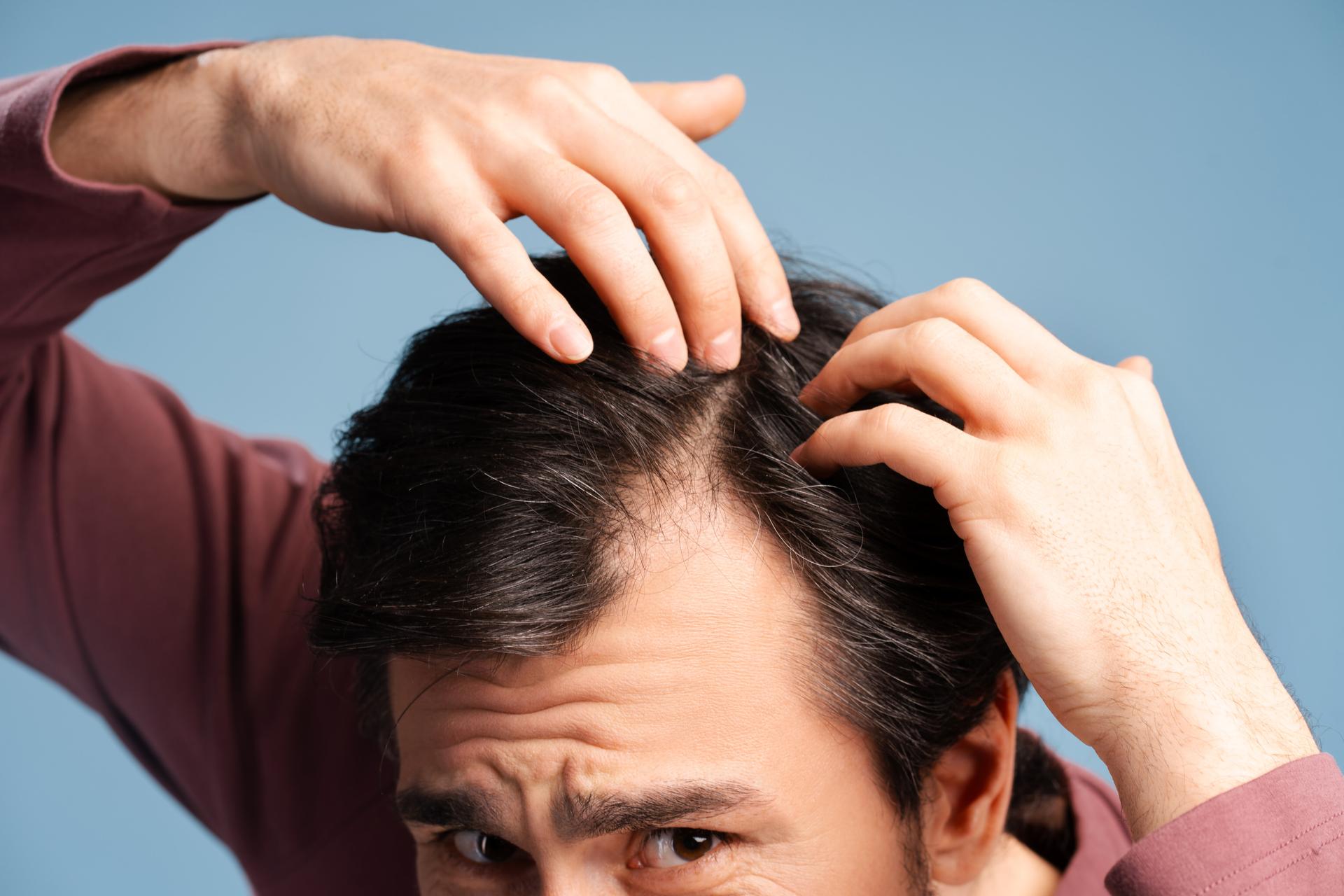
Shedding more hair than usual after a stressful event can be worrisome, but in many cases, your scalp can recover on its own. Temporary hair loss may stop within a few months as the hair cycle resets and new strands begin to grow. However, there are times when the shedding continues or worsens, which may point to something more than a short-term disruption. Not all hair loss looks the same, and the early signs can be easy to dismiss. At Hair By Dr. Max, Restoration Center, we help patients throughout South Florida evaluate whether the hair loss they are seeing is part of a temporary cycle or a more lasting condition. Once we identify the likely cause, we can guide you toward options that may help address it. Normal Shedding vs Hair Loss Everyone sheds hair each day as part of the normal growth cycle. You may see loose strands on your pillow or in the shower, but as long as new hair continues to grow in, this shedding is typically not a cause for concern. Most people lose between 50 and 100 hairs a day, and this does not affect the appearance of the scalp. Hair loss, on the other hand, means that the growth cycle has been more than temporarily disrupted. When the scalp fails to replace lost strands at a normal rate, the result can be visible thinning or patchy areas. This is when professional treatments may be needed to help restore hair and revitalize the scalp. Common Causes of Hair Loss Genetics Hereditary hair loss is one of the most frequent causes, especially in men and women with a family history of thinning. The condition, called androgenetic alopecia, tends to follow predictable patterns like a receding hairline or thinning at the crown. Genetic factors affect how hair follicles respond to hormones, which influences both the rate and extent of shedding. While you cannot change your genetic makeup, early detection may allow for proactive care. Hormones Shifts in estrogen, testosterone, or DHT levels can lead to shedding, especially in those with increased sensitivity to these changes. Women may notice more hair loss around puberty, pregnancy, or menopause. Men may experience a gradual change starting as early as their twenties. Stress and Lifestyle Acute or ongoing stress can disrupt your normal hair cycle and push more follicles into the shedding phase. Telogen effluvium, a temporary type of hair loss, often appears several weeks after a major illness, emotional event, or rapid weight change. Lifestyle factors such as poor sleep or high alcohol intake may add to the disruption. When stress or lifestyle changes are at the root of hair loss, recovery can happen gradually if the trigger resolves and the growth cycle resets. Autoimmune Conditions Autoimmune diseases such as alopecia areata cause the immune system to attack hair follicles directly. Hair can fall out in round patches, sometimes suddenly, and regrowth may be unpredictable. Some people experience flares that come and go, while others may see a steady loss. The course of autoimmune-related hair loss varies significantly from person to person, as does the recovery. Nutritional Deficiencies Hair needs a consistent supply of protein, iron, and vitamins to maintain normal growth. Deficiencies in nutrients like B12, zinc, or vitamin D can disrupt how follicles function. If you have poor absorption due to gastrointestinal issues, this can also affect hair growth. Sometimes, healthier hair starts with giving your body more of what it needs, whether this is through healthy eating, oral supplements, or IV therapy. Medical Triggers Certain medications, such as blood thinners or chemotherapy agents, can disrupt follicle activity and cause hair to shed more rapidly. Thyroid disorders are another frequent factor, especially when levels of T3 and T4 fall outside a normal range. Your provider can help you identify any medical conditions that may be causing your hair loss so you can address the root cause in addition to supporting healthy hair through treatments. Aging and Reduced Follicle Regeneration Hair naturally becomes finer and grows more slowly with age as the follicles begin to shrink. Some follicles may stop producing hair altogether, especially if regeneration slows down. The density of the scalp may gradually decrease, even without a clear-cut medical condition. Early Signs of Hair Loss in Men Hair loss in men can develop gradually, and subtle shifts in density, regrowth speed, and hairline shape may indicate that follicles are beginning to shrink or slow down. Recognizing some of the following changes early may help you get the right treatment when you need it: Receding hairline (temples and widow’s peak changes) Thinning at the crown Reduced hair density across the mid-scalp Slower regrowth after a haircut Excess shedding in the shower or on your pillow Miniaturization of hairs (characterized by thin, shorter, weaker strands) Early Signs of Hair Loss in Women Hair thinning in women often follows different patterns than in men, which can make the early signs less obvious. Gradual changes in density, volume, and texture may be the first indications that something is shifting in the growth cycle. You may notice: Widening part along the scalp Reduced density at the central scalp (called the Ludwig pattern) Excess shedding while brushing or washing Loss of volume and ponytail thinning Texture changes (dry, brittle, shorter strands) More visible scalp under bright light When Should You Schedule a Consultation? Determining If Your Hair Loss Is Temporary or Progressive Some types of shedding resolve on their own within a few months, especially after stress, illness, or childbirth. However, if the hair loss continues, spreads to new areas, or worsens despite lifestyle changes, it may not be temporary. Progressive conditions like androgenetic alopecia often start subtly and may be overlooked until the loss becomes more advanced. You can schedule an appointment if you are having trouble identifying the cause of your hair loss on your own. The Benefits of Early Intervention Hair follicles that remain active can often be supported before significant thinning sets in. Early intervention may help
The Complete Guide to Robotic Hair Transplants with ARTAS® iX
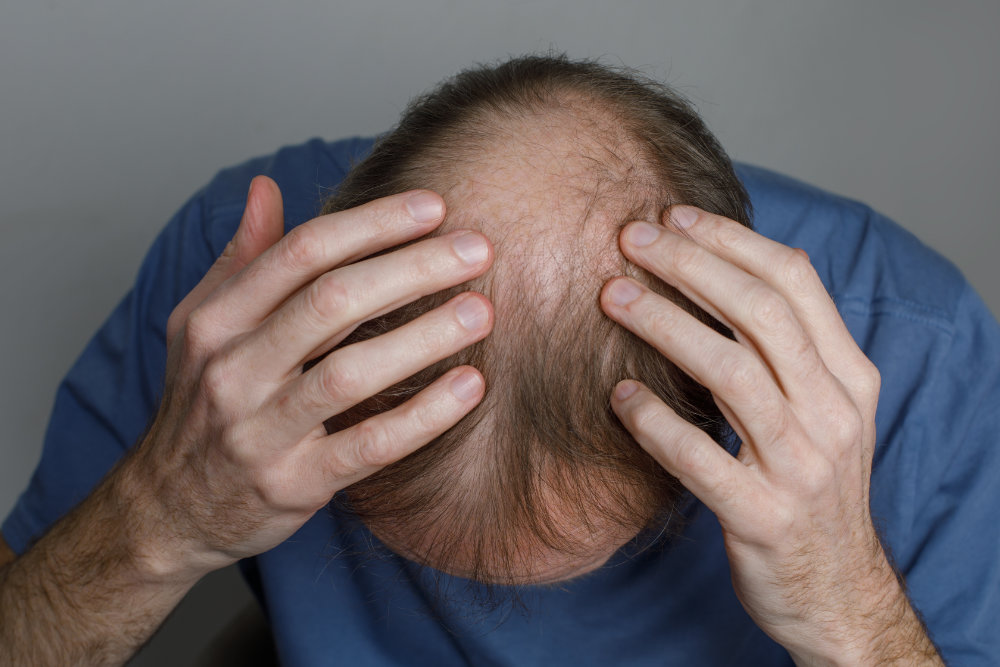
Hair transplantation has seen a surge of new technology over the last decades, moving far beyond old techniques like hair plugs or strip methods. Modern grafting technology allows for more precise graft extraction and placement, less downtime, better results, and faster treatments. At Hair By Dr. Max, we use the ARTAS iX robotic system to perform FUE hair transplants. This system identifies and harvests the healthiest hair follicles while blending the transplants with the natural direction and density of your hair. With ARTAS iX, we can improve the outcomes for our patients in and around Ft Lauderdale, including Lauderdale-by-the-Sea, Pompano, Boca Raton, and Miami. What Is Robotic Hair Transplantation? Robotic hair transplantation uses imaging and automation to extract and implant individual hair follicles with remarkable accuracy. It uses artificial intelligence to map and select the healthiest donor hairs. The method is based on FUE, or follicular unit extraction, which involves removing individual follicular units rather than a strip of tissue from the scalp. Unlike older manual or strip methods, this technology reduces human error and provides more predictable results. The robotic approach also limits tissue trauma and does not cause a linear scar, which can make the experience less invasive and recovery more comfortable. The ARTAS iX System The ARTAS iX system is the best robotic hair transplant system that integrates robotic precision with digital mapping to enhance every step of the FUE hair transplant process. A high-definition camera and algorithm-driven guidance allow the system to identify the optimal follicles for extraction while preserving surrounding tissue. Robotic arms harvest grafts with uniform spacing and depth, improving graft survival and the natural appearance of growth. The same intelligent system assists with recipient site creation, lining up each follicle according to your natural growth pattern. This is all performed with physician oversight for safety and precise results. How the ARTAS iX Procedure Works Consultation and Digital Scalp Mapping The process begins with a detailed evaluation of your scalp and hair growth patterns. Using imaging software, we create a three-dimensional digital map that identifies the density, angle, and direction of each follicle. This helps us plan where to extract and implant hairs and provides a clearer picture of how the final result can look. The system uses this data to guide every movement of the robotic arm, reducing guesswork and improving consistency from start to finish. Follicular Unit Extraction Once the digital mapping is complete, the robotic arm begins the extraction process. Guided by real-time imaging and AI algorithms, the system identifies and removes individual follicular units with minimal disruption to the surrounding scalp. Each graft is harvested at a consistent angle and depth to maintain its viability for transplantation. Graft Preparation and Placement After extraction, each follicular graft is carefully examined under magnification and prepared for placement. We use the advanced hair restoration technology of ARTAS iX to determine the ideal position, angle, and spacing for each follicle in the recipient area. Robotic precision provides accurate alignment with your existing hair and makes the final results look natural. The system also assists in creating implantation sites that follow your natural hairline, which contributes to even density and smoother blending between transplanted and existing hair. Recovery and Results Timeline Mild redness and tenderness can occur for a few days following treatment, but most people return to daily activities within several days. Tiny scabs typically form around the grafts and shed naturally within a week or two. New hair growth often begins in three to four months, and the strands can get thicker as healing continues. The transplanted hair continues to grow naturally, blending seamlessly with surrounding hair and providing a lasting improvement in density and coverage. Benefits of ARTAS iX Robotic Hair Transplants The ARTAS iX system uses precise technology for hair restoration and offers many advantages that manual methods cannot match. Reasons to choose ARTAS iX include: Robotic precision that enhances consistency and accuracy during graft extraction and placement No linear scar, and suitable for short hairstyles Faster recovery compared to traditional surgical methods Reduced risk of human error due to automated follicle selection Greater comfort during and after treatment due to less trauma to the scalp Long-lasting results that blend seamlessly with your existing hair Who Are the Ideal Candidates for ARTAS iX? Ideal candidates for ARTAS iX robotic hair transplant generally have stable areas of healthy donor hair at the back or sides of the scalp. Individuals experiencing androgenetic alopecia, or male and female pattern hair loss, often respond best because these areas tend to retain strong follicular units suitable for transplantation. Those with scarring alopecia or conditions that cause widespread thinning may not be suitable since healthy donor follicles are required for successful grafting. Good candidates also have realistic expectations and understand that results depend on factors such as donor density, hair texture, and scalp health. A consultation and scalp assessment help determine whether robotic FUE with ARTAS iX is the right approach for restoring your hair growth. Comparing ARTAS iX to Other Types of Hair Transplant Techniques Different methods are available for surgical hair restoration, and each one can suit specific goals, budgets, and degrees of hair loss. Common hair transplant techniques include: FUT (Follicular Unit Transplantation): Also known as the “strip method,” FUT involves removing a small strip of scalp from the donor area, dissecting it under a microscope, and then implanting the individual follicular units. It is an older method, but it is sometimes still used when patients need a larger number of grafts in a single session and do not mind a linear scar. Manual FUE (Follicular Unit Extraction): In manual FUE, the provider manually extracts individual follicles using a handheld punch tool. It allows precise control but can be more time-consuming. NeoGraft: NeoGraft is a device-assisted FUE harvesting option. Donor harvesting and recipient implantation are distinct stages. At Hair By Dr. Max, harvesting and implantation remain physician-performed, and Dr. Max uses sharp implanters for graft placement. Suitability, risks and recovery depend on the