
Hair Transplant
At Hair by Dr. Max Restoration Center in Fort Lauderdale, FL, we specialize in helping our patients restore natural and healthy hair after hair loss. We offer several state-of-the-art hair restoration services that can meet the needs of men and women who are experiencing thinning hair, a receding hairline, balding, patchiness, and even facial hair loss. If you’ve experienced any type of hair loss, we have options and can help restore natural hair with the right treatment plan. What Are Hair Transplants? A hair transplant is a procedure in which hair follicles are harvested from the back of the scalp and then grafted into areas where patients have experienced balding or thinning. When it comes to a hair transplant, men and women have different options, including male and female FUE transplantation and specialized and customized procedures. We’d love to set up a consultation with you to evaluate your concerns and review our innovative and advanced hair restoration options to help you determine which is right for you. After your customized procedure, you can expect permanent and natural-looking results and improved patient confidence. ARTAS iX ARTAS iX is a hair transplant that can restore natural-looking hair through a minimally invasive process that uses artificial intelligence to restore healthy hair without linear scars, stitches, or plugs. The device uses robotic technology to ensure a high accuracy rate. ARTAS iX is the only robotic system in the hair restoration industry to harvest and implant hair simultaneously. The benefits of the treatment include reduced treatment times and the elimination of human error. Dr. Maxim Chumak is an ARTAS iX Platinum Provider and has successfully completed thousands of these hair transplants. He uses his 20-plus years of surgical experience to design personalized plans with this device to meet each patient’s unique needs. African American Hair Transplant We also offer African-American hair transplants for patients in the African-American and Caribbean communities who have experienced hair loss or a receding hairline. For these patients, hair loss can result from prolonged hairstyling, including tight braids and cornrows, which can cause traction alopecia. Dr. Maxim Chumak is familiar with the differences in the follicular density and characteristics of the hair follicles in Latino, Caribbean, and African-American ethnicities and can administer the right number of hair grafts to the designated treatment area to achieve optimal results. When you come in for an initial consultation, you’ll meet with Dr. Maxim Chumak, and he’ll evaluate your hair loss to determine which approach would be the best option for you. The Celebrity Hair Transplant The Celebrity Hair Transplant is a hair transplant method we offer with the Trivellini Tech Mamba device. It’s also called the no-shave FUE method. Those who want to treat hair loss but don’t want to shave their heads completely can undergo this unique procedure to achieve their goals. The best candidates for this hair transplant are patients who want to restore natural hair in different areas but don’t want to shave their heads before the procedure. Dr. Max personally performs harvesting and implantation. Trained assistants may support non-surgical graft organization, microscopic inspection and sorting, and implanter loading. With sharp implanters, the recipient opening and graft placement occur together, so separate pre-made recipient sites are generally not required. Donor trimming and recipient-area shaving are planned individually. Visible healing can occur, and new growth develops over time rather than immediately. Facial Hair Transplant We also offer a Facial Hair Transplant that reverses facial hair loss from aging, disease, or other factors. We can restore facial hair to the beard, sideburns, eyebrows, or mustache. During this procedure, we’ll take hair from a donor part of the body, typically the base of the scalp or the area beneath the chin, and transplant it to an area on the face. A Facial Hair Transplant is a good option for men who want to create the appearance of a thicker and fuller beard, with an adequate amount of donor hair to ensure the procedure’s success. It’s also a good option for patients over 30 who have noticed patchiness in their facial hair or have lost facial hair due to different factors, including aging, scarring, or burns. Female Hair Transplant Women experience visible hair loss just like men, including female pattern baldness, which can occur as early as puberty or as late as menopause. If you’ve noticed decreased hair volume or hair loss that has made your hair appear thinner, we offer hair restoration services that can meet your unique needs. Women make good candidates for both Manual FUE transplants and Direct Graft Implantation. Manual FUE Manual FUE is the first technique used during hair transplantation, in which grafts are individually removed from the donor site. Instead of a device, we use a manual punch tool to extract the follicles and prepare them for grafting into the desired treatment area. This technique can minimize damage to the hair follicles and help women achieve their hair restoration goals. Direct Graft Implantation Direct graft implantation describes how harvested grafts are placed. Dr. Max personally implants each graft using sharp implanters. The recipient opening and graft placement occur in one step, so separate pre-made recipient sites are generally not required. Small openings are still made in the skin; the procedure is not incision-free or scar-free. Dr. Max plans the direction, angle, depth and distribution of the grafts for each patient. Procedure time, healing and results vary; graft survival and a particular cosmetic outcome are not guaranteed. Transplant Enhancement Options: Growth Factors Treatments We offer a non-surgical hair restoration treatment that can be scheduled independently or combined with one of our female hair transplants. Growth factors stands for concentrated growth factors, and it is derived from each patient’s blood before the treatment process. We use a centrifuge to separate the growth factors in the blood and then prepare them into an injectable form to re-administer into specific areas of the scalp where patients have noticed a receding hairline, patchiness, balding, or thinning hair. The body responds by healing damaged
How Does A FUE Hair Transplant Work?

What is FUE Hair Transplant and What Does It Mean? Follicular Unit Extraction (FUE) is a popular hair transplant technique that is known for its effectiveness in restoring hair to individuals who suffer from varying levels of hair loss. This procedure involves the removal of individual hair follicles from a donor area on the patient’s scalp, typically at the back of the head, before being transplanted into the recipient area where hair is thinning or balding. Compared to other hair restoration methods, FUE hair transplant techniques offer a minimally invasive approach, minimal scarring, and a higher success rate of hair regrowth. Both men and women can experience hair loss and can benefit from FUE hair transplant procedures for hair restoration. Male pattern baldness, also known as androgenetic alopecia, is one of the most common forms of hair loss in men, which is caused by genetics, hormonal changes, and age. Women can also experience hair loss due to hormonal changes, genetics, stress, medical conditions, and aging. In FUE hair transplant, the surgeon first shaves the donor area and then uses a small punching device to extract individual hair follicles. The extracted follicles are then transplanted into the recipient area, where new hair growth is desired. This procedure can take several hours depending upon the extent of hair loss and the number of hair follicles that need to be transplanted. Here at Hair By Dr. Max we take pride in our proficiency and expertise when it comes to our procedures. On average, we implant more than 1000 grafts per hour, in turn ensuring optimal graft survival rate for our patients. FUE Hair Transplant: A Revolutionary Solution to Male and Female Hair Loss Male and female pattern hair loss is a common problem affecting millions of individuals across the globe. Hair loss can lead to a loss of self-esteem, confidence, and even depression. Treatments for hair loss range from medications to hair restoration surgeries. One of the most popular and effective hair restoration procedures is the Follicular Unit Extraction (FUE) hair transplant. The process usually starts with a consultation with a hair restoration specialist. During the consultation, the doctor will examine the extent of hair loss and evaluate if the patient is a suitable candidate for follicular unit extraction (FUE) hair transplant procedure. Once removed, the hair follicles are prepared and sorted according to different hair types and sizes to ensure the best possible result. They are then carefully implanted into the recipient area through a meticulous process, taking into account the direction and angle of the surrounding hairs to achieve a natural look. One of the key benefits of FUE hair transplant is that it does not leave a visible scar, as individual follicles are removed rather than a large strip of scalp tissue. This makes the procedure ideal for patients who prefer to wear their hair short or with a close crop. This is because FUE (Follicular Unit Extraction) procedures leave minimal scarring and allow for a more natural-looking hairline. Here’s what you need to know about this hair transplant procedure. Male pattern baldness can start as early as a man’s 20s or 30s, causing hair to thin and eventually fall out. FUE hair transplant is a popular choice to counteract male hair loss. Here’s how the procedure works: 1. First, the surgeon will shave the donor area – usually the back of the head – where hair follicles are harvested. 2. The surgeon then numbs the scalp with a local anesthetic and uses a special tool to extract individual hair follicles from the scalp. During this stage of the surgery, follicles are extracted one by one from the donor area, avoiding scars or noticeable marks. 3. Next, the surgeon will create tiny holes in the balding area of the scalp. If you’re experiencing hair loss, you’re not alone. Hair loss is a common problem among both men and women. Fortunately, medical advancements have made it possible to restore hair through a process called FUE hair transplant. Hair loss can be an emotionally damaging experience for both men and women. Hair loss can occur due to a variety of reasons such as aging, hormonal imbalances, poor nutrition, stress, and genetics. Fortunately, modern medical advancements have made it possible for individuals who are experiencing hair loss to regain their confidence with effective treatments such as Follicular Unit Extraction (FUE) hair transplantation. For any questions you may have regarding FUE or any other of our hair restoration services, feel free to set up your free Consultation with us here.
How to create a healthy relationship when you have alopecia?

No matter what society says, for many people appearance plays an important role in their lives, so when they are faced with such problem as baldness, it can significantly reduce their self-confidence. Alopecia is a general term that is used to describe thinning or hair loss. The most common cause of alopecia is genetics. Other causes can be problems with the thyroid gland, the autoimmune system (alopecia areata) or, in case with women, menopause. Baldness can significantly affect your self-confidence even though this condition affects 50 percent of adult men just like 50 percent of women will experience noticeable baldness. Of course, our hair in our 50s won’t look the same as it once did, hair loss and thinning are normal stages of aging. Although it is quite common, baldness can seriously decrease your confidence and sense of self, especially if you started balding before any of your acquaintances did. Therefore, there is a question: how to create a healthy relationship when there is no self-confidence and attractiveness? That is why we have gathered for you some tips that can help you with solving this problem! Hair loss does not have to be the end of your life and put an end to all your plans! As mentioned earlier, alopecia is a medical condition, but it does not cause any serious harm to your health. It is not a sexually transmitted disease, so your partner will only need to know as much as you think is necessary. Find the right word to explain your condition. Your partner may not know much about alopecia, so it will be your job to explain and debunk certain facts and stereotypes. Talk about your condition when you are ready. To begin with you need to accept the fact that you have alopecia. When to share this information with your partner is up to you and your feelings. If hair loss significantly affects your life and does not allow you to enjoy it freely, you can always contact your doctor and choose a non-surgical or surgical methods to prevent hair loss. Remember that you are not the only person that is living with this condition. Hair and the lack of it does not define what kind of person you are!
What is different about hair loss in men and women?
More than half of men and women live with androgenetic alopecia. This term is used when talking about pattern baldness in men and women. Although both can face the problem of hair loss, there’s a significant difference in the age when hair becomes thinner, at what part of the scalp it occurs, and what other diseases can be connected to it. It is really important to know these differences because they can help with choosing a treatment that will be perfect for your case. In this article, we have collected 5 differences between male and female alopecia. If we are talking about men, then in their case hair loss begins much earlier than in women, usually around 30 years of age. For women, this stage of life begins 10-15 years later, most often after menopause. Androgenetic alopecia does not occur on the whole scalp at the same time, which is why men will usually have a thinning hairline or a bald spot. For women, it is different. Usually it’s a spared hairline and thinning that goes from it. You may also notice that those areas of the head that are balding may get sunburned just like any other parts of the body that are unprotected from the UV lights. In most cases women tend to hide their thinning hair in a ponytail. 3. There are different causes of alopecia, which can also be different for men and women. An important role in this question plays genetics. If you have the AR gene variation, your hair follicles are more sensitive to the testosterone-derived androgen called dihydrotestosterone (DHT). Higher levels of DHT will make your hair weaker which over time can lead to the stop of the hair growth. There are also certain medical conditions for men and women that can, as the result, contribute to hair loss due to high levels of androgen. For women this disease can be polycystic ovary syndrome or PCOS. Additional symptoms of PCOS include: androgenetic alopecia, acne and even hirsutism (unwanted facial, chest and back hair). As for men, prostate cancer can often be associated with hair loss. Studies have shown that the loss of hair on the top of the head in 25% of men is associated with prostate cancer. Also male baldness can be connected to cardiovascular diseases. 4. In recent decades the demand for testosterone replacement therapy among men has increased. The main purpose of replacement therapy is to eliminate the symptoms of low testosterone in men, which are: loss of sex drive, erectile dysfunction, loss of muscle mass, and mood swings. One of possible side effects of this therapy is hair loss, acne, and oilier than usual skin. This is why it is very important while being on testosterone replacement therapy to control its level in the body, because the more testosterone, the more of it will be converted into DHT. 5. There are different treatments that are aimed to prevent hair loss, which also may differ for men and women. Minoxidil is the best option for both men and women for the treatment of androgenetic alopecia. There are also oral options, such as Finasteride (Propecia). Due to possible side effects, this treatment is not suitable for women of reproductive age, but it can be really helpful for post-menopausal women. In order to get the best kind of treatment for pattern baldness — consult a hair restoration expert. You Might Also Like To Read WHAT CAUSES BEARD HAIR LOSS (ALOPECIA BARBAE)? While It Is Rather Uncommon Relative To Scalp Hair Loss, Beard Hair Loss (Alopecia Barbae) Is Something That Many People Suffer From. HOW DOES A HAIR TRANSPLANT WORK? Be Sure To Read This Before Your Hair Transplant Procedure 4 SURPRISING CAUSES OF HAIR LOSS You May Not Be Aware Of These Surprising Causes Of Hair Loss
What is Hair Miniaturization?
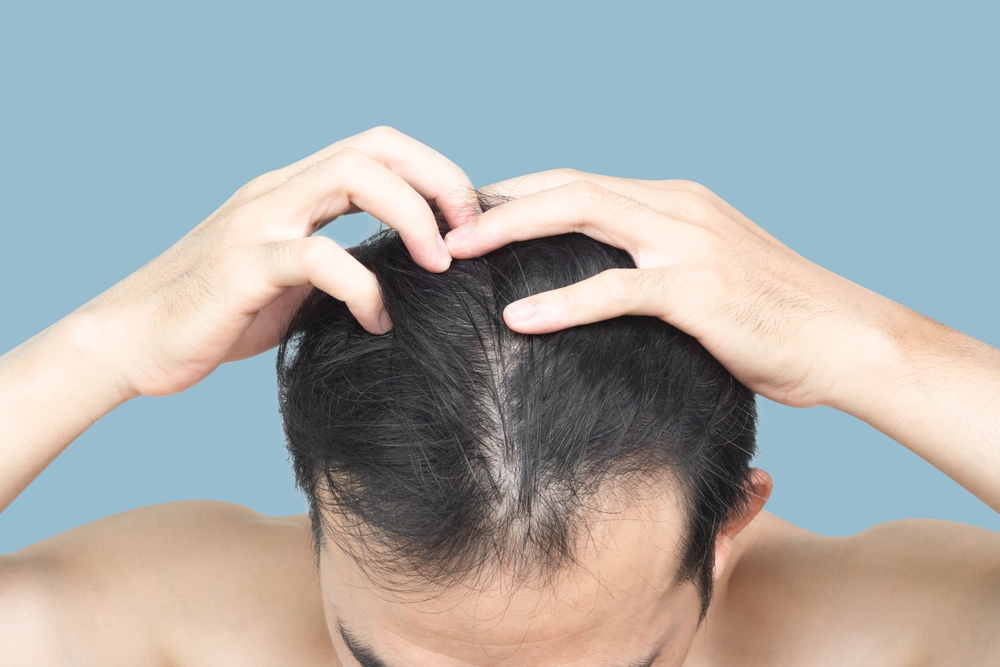
Despite how drastic baldness can look when compared to a full head of hair, it does not occur overnight. At least not in most situations…Instead, it usually occurs over a duration of time. While it is perfectly normal to lose about 50-100 hairs daily, concern arises when hair loss exceeds far past this average per day. Roughly 50% of men will exhibit some type of hair loss by the time they hit 50 years old. Though this statistic sounds daunting, there’s no need to fret yet! To better combat hair loss’ natural course, it helps to know what to look for. One of the key indications of hair loss is hair miniaturization. This can be defined as: a process in which your hair follicles slowly become smaller and less capable of producing new hairs. As time goes by, this can affect your hairs’ density, thus rendering it thinner and thinner. Obviously we want to keep our hair as healthy and lively as possible. That’s why we shared 5 ways to fight against hair miniaturization! These methods range from medications/DHT blockers, to finasteride, to more complex methods such as hair transplants. What is Hair Follicle Miniaturization? Hair follicle miniaturization is very much what it sounds like: a process in which your hair follicles constrict over time, which then impacts your ability to maintain normal hair growth. The hair follicles then become physically smaller, causing the new hairs to lose part of their hair shaft thickness and grow less effectively. This then eventually leads to the hair being unable to penetrate through the scalp. Since this occurrence is very common, the causes for it are generally associated to male pattern baldness, female pattern hair loss, and alopecia areata (AA). The latter being a form of hair loss caused by an autoimmune reaction within your body. What Can I Do To Stop Hair Miniaturization? Finasteride Finasteride was originally used to treat men with benign prostatic hyperplasia (BPH), but a side factor of the medication included combating male pattern hair loss, also called androgenetic alopecia. It may be used alone or in combination with other medicines such as an alpha-blocker to treat BPH. For men with hair loss, finasteride will increase the number of scalp hairs but will not increase the amount of body hair. Finasteride is an FDA-approved prescription medication that is used to combat male pattern baldness. It works by preventing your body from converting testosterone into DHT, the hormone that has the ability to miniaturize hair follicles. Minoxidil Originally created to treat high blood pressure, soon after that it was discovered that Minoxidil had properties that promote hair growth in patients. It is effective in helping promote hair growth in people with androgenic alopecia regardless of sex. About 40% of men experience hair regrowth after 3–6 months. Minoxidil must be used indefinitely for continued support of existing hair follicles and the maintenance of any experienced hair regrowth. The mechanism by which minoxidil promotes hair growth is not fully understood. Minoxidil is a potassium channel opener, causing hyperpolarization of cell membranes. Theoretically, by widening blood vessels and opening potassium channels, it allows more oxygen, blood, and nutrients to the follicles. This may cause follicles in the telogen phase to shed, which are then replaced by thicker hairs in a new anagen phase. Hair Transplant Essentially, a hair transplant is a cosmetic procedure that involves harvesting hairs from a certain part of your scalp, and transplanting them onto a different part of your scalp. This donor area for the most part is usually the occipital (back of the head) area of your scalp since the hair here rarely recedes. For some, the term “hair transplant” can conjure up images of bad, plug-looking results that show full transparency of a procedure having been done. This is no longer the case with modern transplants as the technology in this field has greatly advanced since the 1980s hair plugs’ days. There are two main methods of hair transplantation involved in the majority of modern procedures: FUE and FUT. If you’d like to learn more about the differences between these two methods, feel free to read our article on that topic here. At Hair By Dr. Max, Restoration Center, we choose the FUE method as a means of transplantation. We also greatly promote our use of the ARTAS iX Robotic Hair Restoration System which has very much improved the efficiency and accuracy of modern-day surgeries. Chill Out While it’s easier said than done, lowering your stress levels is imperative to not only your hair, but also your health in general. Stress is a common trigger for telogen effluvium — a form of temporary, sudden hair loss that’s often characterized by diffuse thinning across your entire scalp. Relaxation methods like yoga, meditation, and even breathing exercises are simply yet great ways to lower stress levels. In addition, physical exercise is also a natural mood-booster since it helps to reduce production of the stress hormone cortisol and increase production of mood-boosting endorphins. Keep Your Scalp Clean It’s common to think that you are shedding hair during and after a shower. This is a misconception of course. On the contrary, keeping your scalp clean on a regular basis actually promotes healthy hair growth. Certain shampoos, such as those that contain active ingredients such as ketoconazole and saw palmetto, might also help slow the progression of male pattern baldness by reducing the effects of DHT.
Easy Hair Care Tips You Should Know
Hair seems to be just one of those things we don’t think much about. Until we start to lose it on our heads, that is. There are many incorrect habits that can encourage hair loss. In this article, we will go over some very easy hair care tips you should be following to promote healthy hair growth. Use Light/Non-Irritating Hair Products When it comes to what option of hair products to use, it can be tempting to go with the cheapest, all-in-one option. However, these types of products tend to be made with harsher chemicals and ingredients. That isn’t to say that the more expensive a product, the better it is. Rather, it is important to find a shampoo/conditioner that is fitting to your hair. For example, for someone who regularly colors/bleaches their hair, it would be recommended to use a shampoo specifically meant to protect and increase the vividness of colored hair. There’s nothing wrong with wanting to either color your hair from signs of aging or just wanting to experiment with a different look. This choice simply comes with some extra care to ensure a healthy lifespan for the colored hair. Shampoo Your Hair Correctly While it may seem ridiculous to give tips on how to shampoo your hair, there are very common mistakes people make when doing so. For one thing, most end up just washing their hair rather than focusing on washing their scalp. As shampoo is primarily made to clean away dirt, excess oils, and other undesired substances that could build up over the day. Properly washing your scalp can positively impact the scent, texture, and appearance of one’s hair. This is due to the fact that your sebaceous glands (the glands in your skin that secrete oil) are in your scalp. Thus, your scalp requires the most attention whenever you shower. Use Conditioner Consistently Many believe that using a conditioner is not a necessary step in having healthy hair. That’s just not the case. There are so many pros to incorporating a good conditioner to your hair-care regimen such as: Increasing hair strength Protecting hair from UV radiation Reducing buildup of static electricity Improving smoothness/shine Promotes thicker appearance As opposed to shampoo, you want to focus using conditioner on the hair itself, specifically the ends. This is where the conditioner will really help restore its health. Another important note would be to use conditioner after shampooing. While shampooing removes dirt and oil from the hair, it can leave the hair dry, frizzy, and tangled. Using conditioner afterwards has shown to help this issue. It is also best advised to rinse the conditioner out of your hair using cold water, as this will close the hair cuticles and pores on the scalp. Avoid Brushing Your Hair Too Much Contrary to popular opinion, constantly brushing or combing your hair can do far more damage than good. Aside from the fact that there is no real reason to actually brush your hair unless it’s for styling purposes, brushing it while it’s still wet can easily promote breakage. Instead of brushing so frequently, you would be better off either air drying your hair first or wrapping it in a towel to absorb the moisture until it’s dry. At that point, then it would be safer to brush. A study found that excessively brushing your hair can result in hair loss since it can encourage shedding. Some other simple changes you can make to brush your hair without damaging it would be to use a wide-toothed comb/brush. This type of comb would pass through your hair without completely ripping through any knots or tangles. If You Spot Signs Of Early Hair Loss, Look Into Minoxidil/Finasteride One of the most proactive ways to combat hair loss when early signs begin to creep up is to start taking Minoxidil and Finasteride. – Minoxidil Originally created to treat high blood pressure, soon after that it was discovered that Minoxidil had properties that promote hair growth in patients. It is effective in helping promote hair growth in people with androgenic alopecia regardless of sex. About 40% of men experience hair regrowth after 3–6 months. Minoxidil must be used indefinitely for continued support of existing hair follicles and the maintenance of any experienced hair regrowth. Interestingly, the mechanism by which minoxidil promotes hair growth is not fully understood. Minoxidil is a potassium channel opener, causing hyperpolarization of cell membranes. Theoretically, by widening blood vessels and opening potassium channels, it allows more oxygen, blood, and nutrients to the follicles. This may cause follicles in the telogen phase to shed, which are then replaced by thicker hairs in a new anagen phase. – Finasteride Finasteride was originally used to treat men with benign prostatic hyperplasia (BPH), but a side factor of the medication included combating male pattern hair loss, also called androgenetic alopecia. It may be used alone or in combination with other medicines such as an alpha-blocker to treat BPH. For men with hair loss, finasteride will increase the number of scalp hairs but will not increase the amount of body hair. Protect Your Hair From Too Much Sunlight Similar to how too much UV ray exposure can cause damaging effects to your skin, the same concept goes for your hair. Direct sun exposure for long periods of time can result in a change in appearance to your hair, such as having it become a lighter color, structure, and strength. The main part that can be affected by heavy sunlight exposure is the cuticle of the hair follicle. The hair cuticle is the outermost part of the hair shaft. It is formed from dead cells, overlapping in layers, which form scales that strengthen and protect the hair shaft. While the cuticle is the outermost layer, it is not responsible for the color of the hair. Melanin is the
Does Melatonin Help Hair Grow?
When we think of melatonin, its sleep properties are usually what come to mind. What you may not have been aware about is melotonin’s benefits for hair growth. Melatonin is a hormone that is produced naturally in the body. It’s a hormone produced in your brain’s pineal gland that helps regulate your circadian cycles. Essentially, as you get closer to the end of your day, more melatonin is produced by your body to assist you in sleeping. Then it gradually lessens in the morning to assist you in getting out of bed. Simply put, melatonin’s actions assist your body’s sleep-wake cycles to be more consistent. Melatonin levels naturally decline as you become older. While it can be taken orally to help with sleep, it’s most commonly used in a topical solution. Oral melatonin supplementation has been increasingly popular in recent years. They’re often made of synthetic melatonin and are said to assist with: Falling asleep more easily Jet lag Seasonal affective disorder Migraines Anxiety before surgery Sleep disturbances caused by certain blood pressure medications How Does Melatonin Play A Role In Hair Growth? The effects of melatonin on hair development were examined in depth in a review of data published in the International Journal of Trichology. The good news is that it appears to be effective in treating androgenetic alopecia. In this study, researchers discovered that using melatonin for 30 or 90 days reduced the severity of androgenetic alopecia significantly. While studies suggest that melatonin may help with androgenetic alopecia, the mechanism through which it operates is unknown. Topical melatonin, which is used to treat hair loss, usually comes in a cream or serum-like consistency that must be applied daily. More Hair Growth Treatments Finasteride Finasteride was originally used to treat men with benign prostatic hyperplasia (BPH), but a side factor of the medication included combating male pattern hair loss, also called androgenetic alopecia. It may be used alone or in combination with other medicines such as an alpha-blocker to treat BPH. For men with hair loss, finasteride will increase the number of scalp hairs but will not increase the amount of body hair. Minoxidil Originally created to treat high blood pressure, soon after that it was discovered that Minoxidil had properties that promote hair growth in patients. It is effective in helping promote hair growth in people with androgenic alopecia regardless of sex. About 40% of men experience hair regrowth after 3–6 months. Minoxidil must be used indefinitely for continued support of existing hair follicles and the maintenance of any experienced hair regrowth. The mechanism by which minoxidil promotes hair growth is not fully understood. Minoxidil is a potassium channel opener, causing hyperpolarization of cell membranes. Theoretically, by widening blood vessels and opening potassium channels, it allows more oxygen, blood, and nutrients to the follicles. This may cause follicles in the telogen phase to shed, which are then replaced by thicker hairs in a new anagen phase. Tretinoin Tretinoin is a Vitamin A analog and a topical form of retinoic acid. It is sometimes prescribed as a subsidiary treatment to enhance the efficacy of Minoxidil, such as in Rogaine. Some of the retinoids produced much greater changes in the levels of cellular retinoic acid-binding protein. And these compounds also demonstrated a much stronger influence on the hair life cycle. Similar events occur when using Minoxidil. This seems to support the ability of retinoids to have some ability to support new hair growth. Experts believe that certain retinoids are able to regulate and promote the proliferation of cells as well as processes which cause them to differentiate. It may also cause blood vessels to proliferate as well. These dynamics are important for the promotion of hair growth. DMSO DMSO is a prescription medicine and dietary supplement. It can be taken by mouth, applied to the skin (used topically), or injected into the veins (used intravenously or by IV). DMSO is taken by mouth, used topically, or given intravenously for the management of amyloidosis and related symptoms. Another commonly associated substance with DMSO is MSM (methylsulfonylmethane). DMSO is used topically (applied to the skin). MSM is sold as a dietary supplement, either alone or in combination with other ingredients such as glucosamine. It has shown to aid in the promotion of hair growth in patients who have used it. Biotin While the research on the correlation between biotin and hair growth is still being understood, we do know that it improves your body’s keratin infrastructure. Keratin is a basic protein that makes up your hair, skin, and nails. The majority of us already get our daily intake of biotin from foods such as egg yolk, nuts, soybeans/legumes, bananas, cauliflower, mushrooms, ect. Dr. Max’s Topical Hair Boost Here at our practice, Hair By Dr. Max, Restoration Center, we offer an innovative new topical solution created with clinically proven ingredients to stop and even reverse hair loss. Unlike other topical hair solutions, you’ll be happy to know you only have to apply the product once a day. Each bottle of our topical solution will last you three months if used correctly. Made with clinically proven ingredients to stop hair loss and promote hair growth. Moreover, what makes us different is that hair restoration IS our specialty. As a hair transplant surgeon, this is what Dr. Max and his team work everyday. We wanted to offer a simple solution to protect your hair from hair loss and increase its density. Both formulas are prescription-only and do require a formal consultation with Dr. Max. Come in today and learn more about which non-surgical hair loss treatment might be best for you. If you have any questions regarding a hair transplant, topical hair growth solutions, or any of our other hair restoration services, feel free to call us at 954-945-2909 to schedule your Free Consultation. You Might Also Like
How To Get Rid of Bald Spots – Top 5 Ways
For many, a bald spot can catch many by surprise, once it becomes very noticeable. It can become a real confidence killer and contribute to one’s insecurities. Hair loss impacts millions of people every year, with the severity ranging from bald spots to complete balding of the scalp. Like any other type of hair loss, a bald spot can occur from a variety of factors. The majority of bald spot cases are usually due to Male or Female Pattern Baldness, also called Alopecia Areata. Classified as a very common autoimmune disease, Alopecia Areata accounts for about 95% of hair loss cases. Despite the impact bald spots can have on one’s confidence, thankfully they are almost always treatable with different strategies. There are both surgical and non-surgical methods that can help with this kind of hair loss situation. In this article, we will go over the top 5 ways to get rid of a bald spot. If you have any questions regarding your hair loss situation, you should talk to a hair loss expert to learn more about potential treatment options. 1. Minoxidil Originally created to treat high blood pressure, soon after that it was discovered that Minoxidil had properties that promote hair growth in patients. It is effective in helping promote hair growth in people with androgenic alopecia regardless of sex. About 40% of men experience hair regrowth after 3–6 months. Minoxidil must be used indefinitely for continued support of existing hair follicles and the maintenance of any experienced hair regrowth. Interestingly, the mechanism by which minoxidil promotes hair growth is not fully understood. Minoxidil is a potassium channel opener, causing hyperpolarization of cell membranes. Theoretically, by widening blood vessels and opening potassium channels, it allows more oxygen, blood, and nutrients to the follicles. This may cause follicles in the telogen phase to shed, which are then replaced by thicker hairs in a new anagen phase. 2. Finasteride Finasteride was originally used to treat men with benign prostatic hyperplasia (BPH), but a side factor of the medication included combating male pattern hair loss, also called androgenetic alopecia. It may be used alone or in combination with other medicines such as an alpha-blocker to treat BPH. For men with hair loss, finasteride will increase the number of scalp hairs but will not increase the amount of body hair. Dr. Max’s Hair Boost At Hair By Dr. Max, we are attentive to all your hair restoration needs and are happy to offer other solutions to help you achieve thicker, fuller hair. Hair By Dr. Max offers Dr. Max’s Hair Boost, which are topical solutions formulated with DHT blockers and other ingredients. Our Hair Boosts have been clinically proven to boost your hair follicles and increase hair density. Because the solutions are applied topically to the skin, there are also less systemic side effects. Our Hair Boosts come in solutions for use by both men and women; both formulas are prescription-only and do require a formal consultation with Dr. Max. Come in today and learn more about which non-surgical hair loss treatment might be best for you. In the following article, we will go over the ingredients in our hair boost topical solution for men and women who suffer from hair loss. Keep in mind, it is always best to consult your doctor or a hair specialist before taking any medications. If you have any questions, please feel free to call us at 954-945-2909. 3. Hair Transplant Surgery For some, the term “hair transplant” can conjure up images of bad, plug-looking results that show full transparency of a procedure having been done. This is no longer the case with modern transplants as the technology in this field has greatly advanced since the 1980s hair plugs’ days. Essentially, a hair transplant is a cosmetic procedure that involves harvesting hairs from a certain part of your scalp, and transplanting them onto a different part of your scalp. This donor area for the most part is usually the occipital (back of the head) area of your scalp since the hair here rarely recedes. There are two main methods of hair transplantation involved in the majority of modern procedures: FUE and FUT. If you’d like to learn more about the differences between these two methods, feel free to read our article on that topic here. Despite technological improvements, FUT still had its list of drawbacks. Its signature con was the unsightly linear scar that would be left in the back of the scalp. This itself caused a whole other list of negative symptoms for the patient. Here at Hair By Dr. Max, we do offer FUT Scar Repair if you have a scar from a previous FUT hair transplant. If this interests you, please feel free to Contact Us at 954-945-2909 or Schedule a Free Consultation here. To combat all the issues that were present with the FUT procedure, Follicular Unit Excision (FUE) was introduced to the medical literature in 2002. With the Manual FUE method, an instrument is used to make a small, circular incision in the skin around a follicular unit. This process separates the follicular unit from the surrounding tissue. The follicular unit is then extracted from the scalp, leaving a tiny hole which heals in a few days. This process is repeated until the desired number of follicles are obtained. At Hair By Dr. Max, we choose the FUE method as a means of transplantation. We also greatly promote our use of the ARTAS iX Robotic Hair Restoration System which has very much improved the efficiency and accuracy of modern-day surgeries. To view our before-and-after results gallery, click here. 4. Scalp Micropigmentation Scalp Micropigmentation (SMP) is another popular solution for hair loss. It is a non-invasive treatment that creates the appearance of tiny hair follicles, restoring the appearance of hair on
What Causes Beard Hair Loss? (Alopecia Barbae)
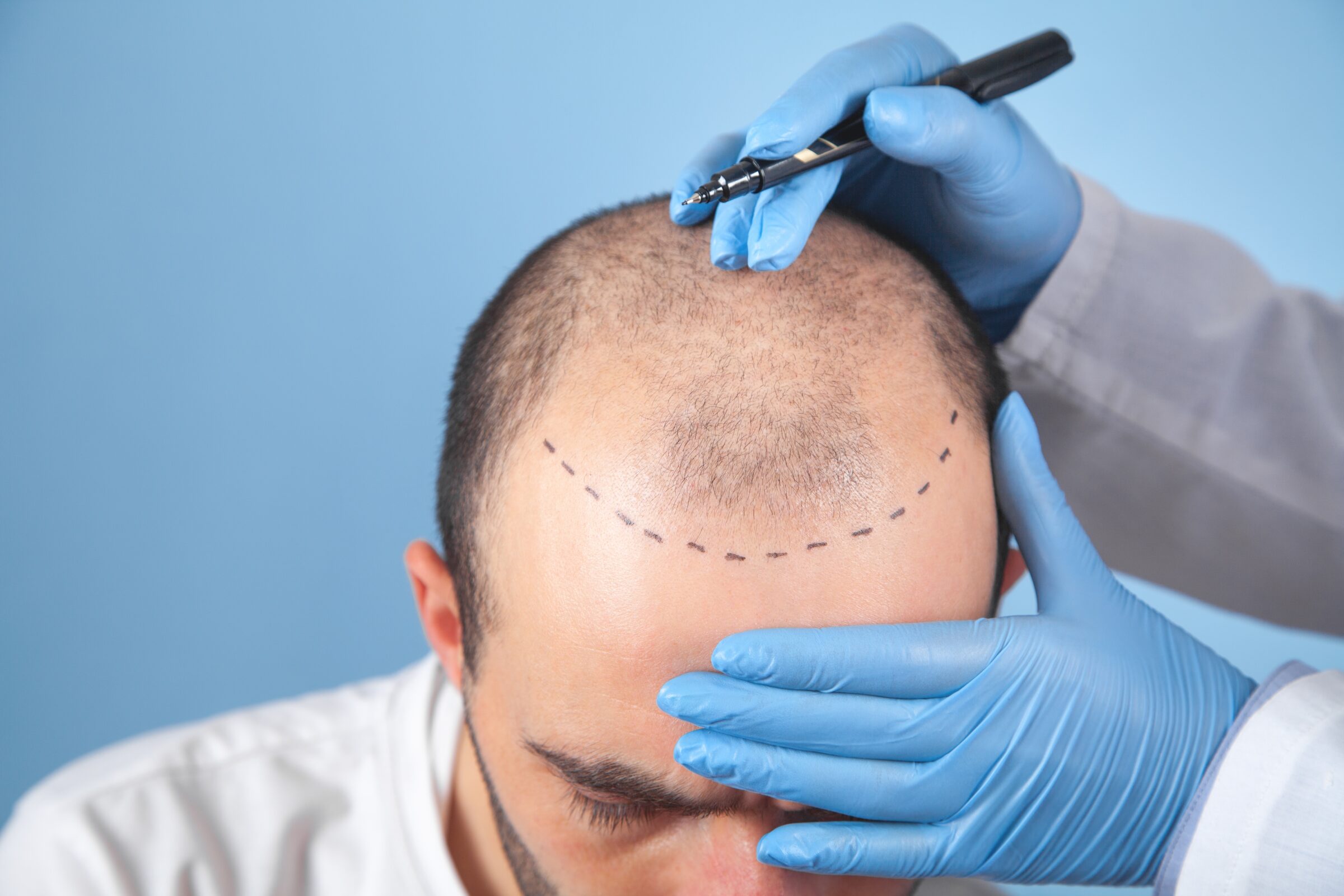
While it is rather uncommon relative to scalp hair loss, beard hair loss (alopecia barbae) is something that many people suffer from. Similar to hair loss of the scalp (alopecia areata), beard hair loss can leave your facial hair looking patchy or incomplete. While the causes can be different for each person, we’ll go over how to catch it early on and what you can do to best treat it. Understanding Alopecia Areata To best understand beard hair loss, we have to go over what alopecia areata is and its causes. Alopecia Areata is characterized as an autoimmune disease in which one’s body attacks its own hair follicles, as if they are foreign dangers to the body. This effect results in temporary hair loss which can become permanently damaged if not properly addressed. According to the American Academy of Dermatology Association, Alopecia Areata can occur in many ways, with the hair loss being patchy in one location or widespread. While Alopecia Areata is not contagious, it can occur during a person’s later teenage years and be a main cause of early hair loss. Moreover, it can occur once or multiple times throughout a person’s life. This type of hair loss is not limited to just the scalp, but can also occur in other areas of the body, hence why alopecia barbae is considered a type of alopecia areata. What Is Alopecia Barbae? Alopecia Barbae is a particular type of localized hair loss due to alopecia areata affecting just your beard. It is caused by an autoimmune process in the body. There are certain health conditions that can make one more prone to having alopecia barbae. Some of these include hay fever to vitiligo, thyroid diseases to atopic dermatitis, asthma and even Down Syndrome are at a higher risk of developing alopecia areata and, by extension, alopecia barbae. How Can I Treat Alopecia Barbae? Currently, there are no FDA-approved treatment options for Alopecia Barbae. However, not all hope is lost…There are still treatment options available for the symptoms. One of the most popular routes include the use of Minoxidil. Minoxidil (also sold under the brand name Rogaine® and Theroxidil®) is a topical solution commonly used as a treatment for hair loss. It’s not FDA-approved for alopecia barbae, but has shown to be beneficial in some patients. It is best to consult your doctor or a hair loss expert before starting any medication. If you have any questions or concerns regarding your hair loss situation, feel free to contact us at 954-945-2909 to schedule a free consultation. You Might Also Like To Read MAX’S HAIR BOOST SERUM – HOW TO USE Made With Clinically-Proven Ingredients To Promote Hair Growth HOW DOES A HAIR TRANSPLANT WORK? Be Sure To Read This Before Your Hair Transplant Procedure 4 SURPRISING CAUSES OF HAIR LOSS You May Not Be Aware Of These Surprising Causes Of Hair Loss
Dr. Max’s Hair Boost Serum – How To Use
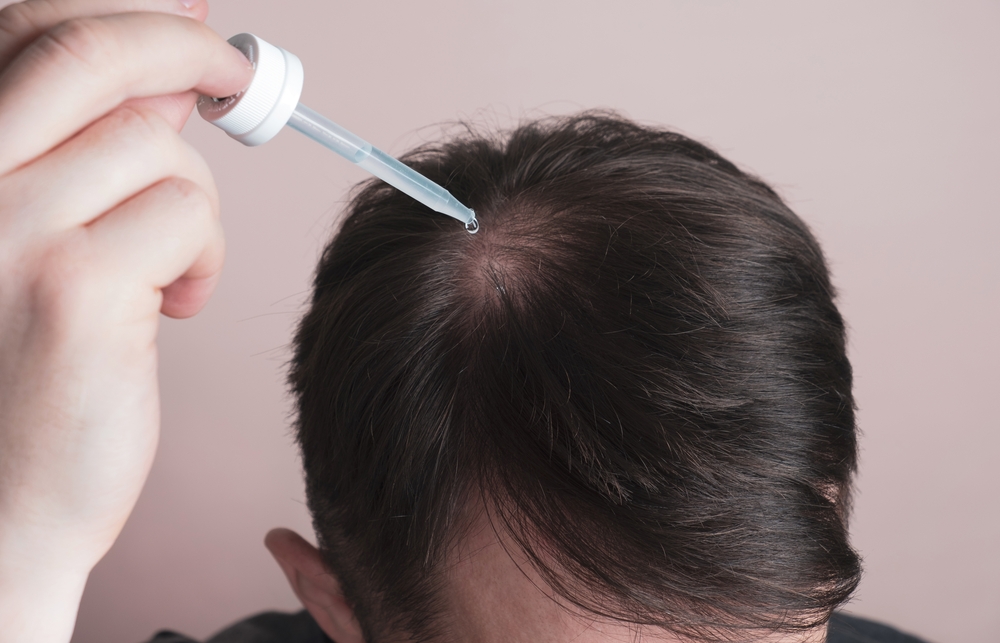
In most cases, hair loss is a result of miniaturized hair follicles and a shortened hair growth cycle. In a process called miniaturization, DHT shrinks hair follicles causing strands to reproduce at a slower rate by either shortening the growing phase or lengthening the resting phase. As androgenetic alopecia progresses and DHT continues to adversely affect the follicles, hairs become thinner, more fragile and often lighter in color with each subsequent life cycle. Eventually, the follicles shut down and will no longer produce hair. One of the causes of hair loss is excess levels of DHT, a modified form of the sex hormone testosterone. Typically, high DHT levels limit the blood supply to hair follicles. DHT blocker targets and blocks DHT formation. We at Hair By Dr. Max offer medications to help treat hair loss. Depending on your hair loss, Dr. Max can prescribe you a DHT blocker as an oral or topical medication to treat hair loss. Both formulas are prescription-only and do require a formal consultation with Dr. Max. Come in today and learn more about which non-surgical hair loss treatment might be best for you. Oral DHT blockers have been clinically proven to treat male pattern hair loss, with studies indicating that over 80 percent of men taking the medication do not experience further hair loss, if taken consistently. Be sure to take pictures before starting the medication and while taking it to properly track your progress. How To Use Each bottle of Dr. Max’s Hair Boost serum has 60mm of the topical solution in it. The necessary amount per use is about half of the droplet. This will be enough to treat the entire scalp, from the hairline to the crown area, making it a very economic method. One bottle will typically last the patient 3 months of consistent usage. Starting from the hairline, squeeze the droplet lightly while spreading the solution around the scalp. It is important to treat your scalp, not your hair. In other words, you want the topical solution to actually cover your scalp rather than just putting it onto your hair. You will feel a cooling sensation after its application. We recommend using a handheld silicone scalp massager to go over the entire treated area as well to spread the solution evenly across the scalp. This process should take around 20-30 seconds. Again, both formulas are available by prescription only, and do require a formal consultation with Dr. Max. Come in today and learn more about which non-surgical hair loss treatment might be best for you. If you have anymore questions, please feel free to call us at 954-945-2909 or visit our website at Bringbackhair.com