
Afro-textured hair restoration · Fort Lauderdale
Your curl pattern, scalp and donor area deserve an individual plan. Dr. Max personally performs graft harvesting and implantation—with one surgical patient per day.
Texture informs technique
Follicles can curve beneath the skin. Dr. Max’s instrument choice, angle and depth must suit the individual—not a preset approach based on ethnicity.
Abstract curl illustration, not an anatomical diagram.
Genetic thinning, traction and inflammatory scalp conditions require different plans. Active disease needs assessment before surgery.
Curl can create the impression of fullness. Density, miniaturization and previous harvesting still matter.
Discuss donor visibility, hairline shape, shaving choices and future loss before deciding on a graft count.
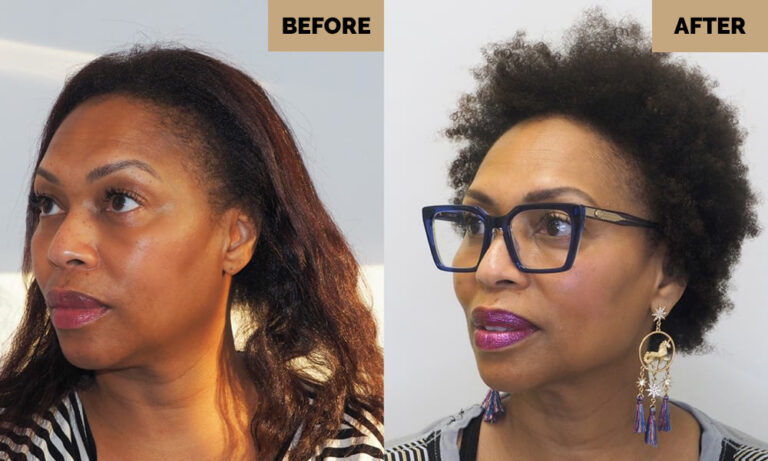
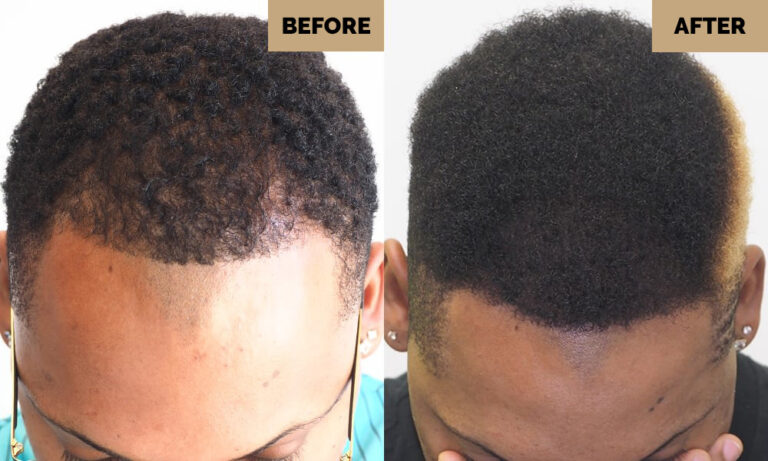
Real patients. Individual plans.
These photographs show individual outcomes, not a promised graft-survival rate or a template for your result.
Dr. Max personally harvests and implants. With sharp implanters, the recipient opening and graft placement occur together; separate pre-made recipient sites are generally not required.
Trained staff may organize, inspect and sort grafts or load implanters. Those supporting tasks are different from harvesting and implantation.
Before you decide
Sometimes, after the cause of tension is addressed and the area is assessed. Active inflammation or scarring conditions, including CCCA, need medical evaluation first. Surgery does not treat an active underlying scalp disorder.
No. Curl influences the appearance of coverage, but donor quality, hair caliber, the target area and future loss determine the plan. A gallery cannot prescribe your graft count.
Possibly. Donor trimming and recipient shaving are separate decisions. Suitability depends on your follicle characteristics, hair length and graft requirement. Ask exactly which hair will be shortened and how recovery may look.
FUE is not scar-free. Discuss poor growth, uneven density, infection, bleeding, altered sensation, folliculitis, pigment changes and a history of raised or keloid scars. No technique can promise zero follicle damage or stop future hair loss.
Active scalp disease, unexplained shedding, an insufficient or unstable donor supply, or goals beyond the available reserve may mean postponing or avoiding surgery. Medical treatment or further investigation may be the better next step.
Hair By Dr. Max · Fort Lauderdale
Review your hair-loss pattern, donor capacity and treatment options with Dr. Maxim Chumak.
Hair By Dr. Max Restoration Center