
Hair restoration for women · Fort Lauderdale
Your hair. Your priorities.
Understand the cause of thinning. Explore a physician-performed plan based on your donor hair, coverage goals and the recovery visibility that matters to you.
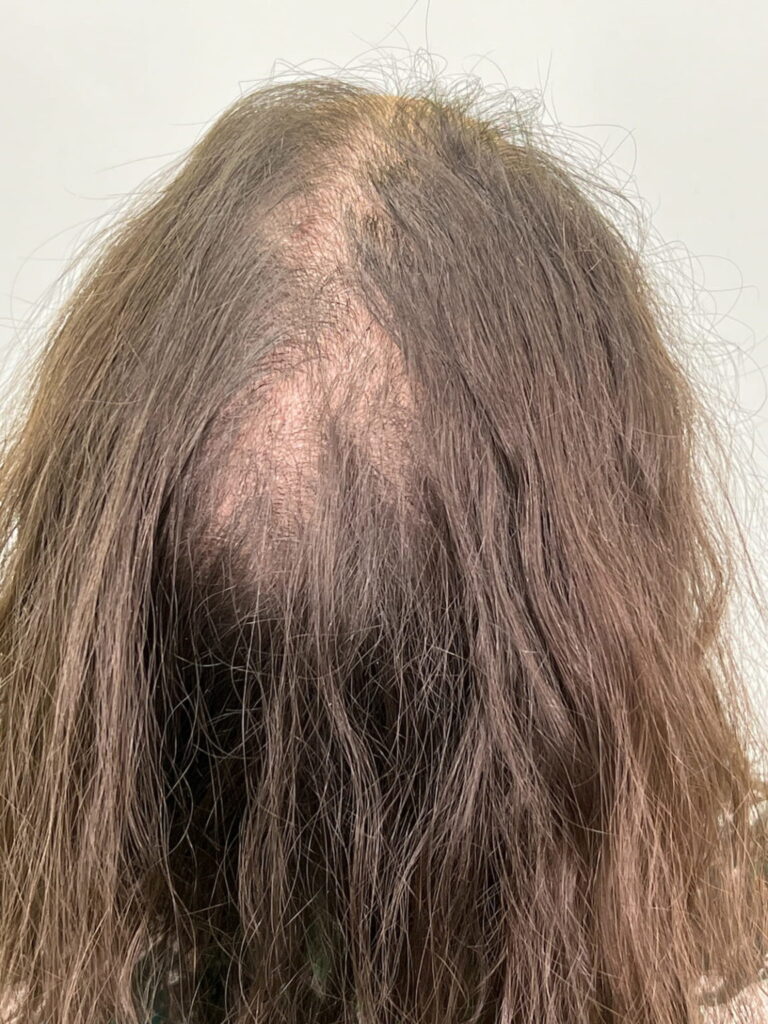
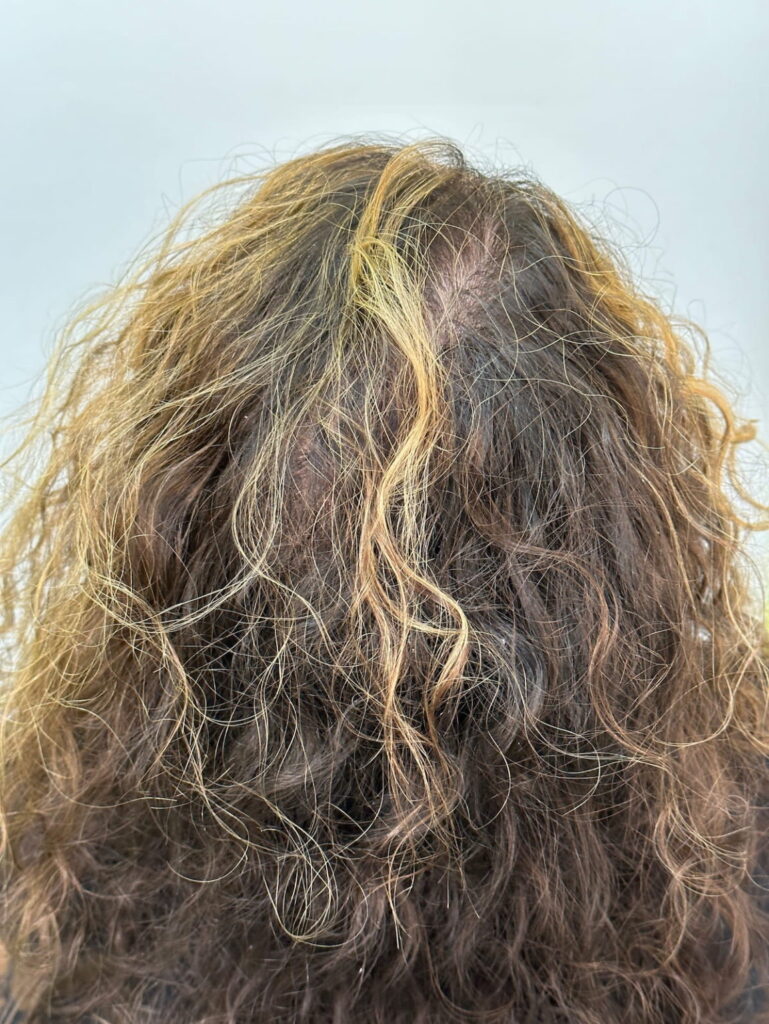
31-year-old patient · clinic archive. Styling and lighting differ. Individual results vary.
Diagnosis before a decision
The first appointment considers the cause of loss, scalp health and the hair available in your donor area. Some women benefit more from medical treatment or further investigation.
Assess the recipient area and whether the donor is also thinning.
Plan the shape, direction and transition for the individual.
Address tension, inflammation or possible scarring disease before a surgical decision.
Plan the visibility—not just the procedure
A discreet approach does not guarantee an invisible recovery.
A different goal. A different graft plan.
The clinic archive describes a 48-year-old woman. Six months records one point in growth, not necessarily the final result. Your graft count must come from your own assessment.

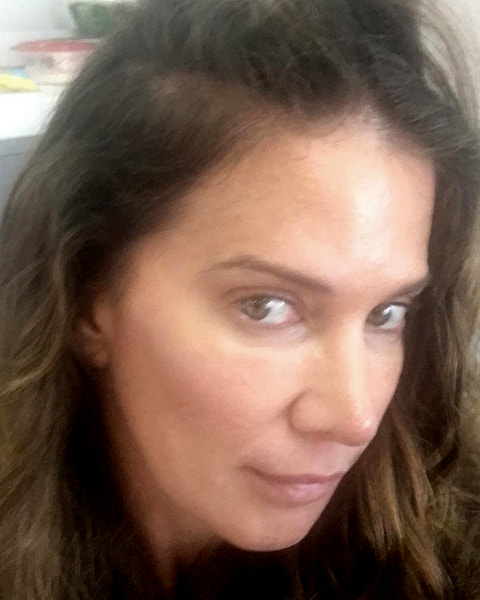
Original clinic photographs. Angle, lighting and styling differ. Tap either photograph for the full-size image.
Dr. Max personally harvests and implants, with one surgical patient per day. Using sharp implanters, the recipient opening and placement occur together.
Trained staff may support graft organization, microscope inspection, sorting and implanter loading—not harvesting or implantation. The plan also considers future loss and finite donor supply.
Practical questions
Medical history, scalp examination and donor assessment come first. Trichoscopy or density imaging may help; further testing depends on the suspected cause. Active inflammation, unexplained shedding or an inadequate donor reserve can mean surgery is inappropriate.
That cannot be promised. Surgery redistributes a limited supply of follicles and does not stop progressive loss in untreated hair. Coverage, donor appearance and long-term management must be balanced.
FUE is not scar-free. Discuss bleeding, infection, scarring, altered sensation, temporary shedding and unsatisfactory growth or density. Follow the individualized aftercare plan and contact the clinic about concerns.
No. Hair caliber, donor quality, the area to cover and future loss affect the plan. The examples show individual outcomes, not a predictable result from the same graft count.
Growth develops over time and varies between patients. Follow-up photographs at six, nine or twelve months document that stage; the treating clinician should explain the review schedule for your procedure.
Hair By Dr. Max · Fort Lauderdale
Talk with Dr. Maxim Chumak about your hair-loss pattern, donor capacity, styling priorities and treatment options.
Hair By Dr. Max Restoration Center