Measure what is there.
Donor density, hair caliber, hairs per follicular unit, scalp condition and prior extraction patterns all matter. A photograph alone cannot establish a safe lifetime graft allowance.

Hair By Dr. Max / Fort Lauderdale, Florida
A hair transplant moves follicles; it does not create a new supply. A durable plan therefore starts with what should remain in your donor area, not simply how many grafts can be taken today. At Hair By Dr. Max Restoration Center in Fort Lauderdale, Maxim Chumak, MD, ABFM, ABHRS Diplomate, FISHRS, personally performs harvesting and implantation and limits surgery to one patient per day. This guide is for first-time patients, people considering another procedure and those seeking repair after previous surgery. It explains how donor assessment, treatment priorities and the possibility of future hair loss should shape the plan. The right recommendation may be a conservative transplant, a staged approach, non-surgical treatment or no surgery.
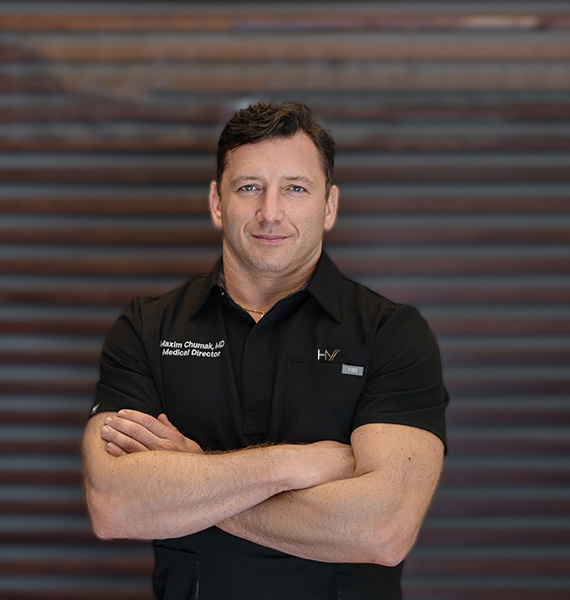
Dr. Max personally harvests and implants.
A focused, individualized surgical model.
Plan for today and future hair loss.
Candidacy and limitations explained.
Donor density, hair caliber, hairs per follicular unit, scalp condition and prior extraction patterns all matter. A photograph alone cannot establish a safe lifetime graft allowance.
Miniaturization is the progressive production of finer hair. Evidence of thinning within the donor region changes the assessment. Future loss outside the transplanted area can also change the balance between the hairline, midscalp and crown.
Density, miniaturization, scalp health and previous harvesting.
Which areas matter most, and what trade-offs are acceptable?
Allow for further thinning, maintenance and possible repair.
This diagram describes the planning process. It is not a formula for the number of grafts an individual can safely provide. A graft and a hair are not the same unit: a follicular-unit graft can contain more than one hair.
Discuss measured donor density and variation across the scalp. Trichoscopy or density imaging can make the assessment more objective than appearance alone.
Harvesting should account for the density that will remain and the appearance of the donor area at your preferred hair length. A uniform percentage is not a substitute for individual assessment.
Previous FUE extraction sites, a strip scar and prior graft counts influence the remaining options. Bring operative records and photographs when available.
Insufficient or unstable donor hair, active scalp disease, unexplained diffuse thinning or a coverage goal that exceeds the available reserve may rule out surgery. A consultation should leave room for a “not now” or “not appropriate” recommendation.
Hairline design, donor planning and surgical decisions remain physician-led. The plan is adapted to your diagnosis, hair characteristics and available donor supply.
Review your medical history, scalp and donor measurements, prior procedures and long-term goals.
Dr. Max personally harvests grafts, choosing instruments and extraction distribution for the individual donor area.
Dr. Max personally implants every graft using sharp implanters. The recipient opening and placement occur together, so separately pre-made sites are generally not required.
Follow individualized aftercare and return for scalp and growth reviews. Further treatment depends on healing and future hair loss.
Trained staff may assist with non-surgical graft organization, microscope inspection/sorting and implanter loading under Dr. Max’s direction. Harvesting and implantation remain physician-performed. FUE and direct implantation make small skin openings and are not scar-free.
A dense, low hairline can require a different graft commitment from a conservative frontal frame. Broad crown coverage can compete with future frontal needs. Dr. Max’s plan should explain which areas are prioritized, what density is realistic, and whether more than one stage could be needed.
For a repair patient, additional harvesting can worsen an already depleted donor area. Assessment comes before another extraction plan. A transplant cannot restore the original number of follicles to a donor region from which hair has been removed.
Before-and-after photographs show appearance, but a donor-planning case also needs the original density assessment, prior graft history, extraction distribution, graft budget and the reasoning behind the chosen coverage.
A published graft count is not a personal donor allowance. The clinic’s public case examples do not provide complete donor measurements; your own examination is needed to estimate what can be harvested and what should be preserved.
Photographs can help start a discussion, but they cannot reliably establish a lifetime extraction limit. The donor area needs individualized assessment.
No. The goal is a useful distribution of appropriate grafts while preserving a reasonable donor appearance and future options. More extraction can introduce additional trade-offs.
No. A transplant does not stop loss in untreated hair. Long-term management and reassessment remain part of the plan.
No. The degree of depletion, scarring and remaining hair limits what can be improved. Selected camouflage or staged approaches may be discussed, but restoration of the original donor supply cannot be promised.
Dr. Max has focused his clinical practice on hair restoration since 2016. Read his credentials and discuss the proposed donor strategy with him before deciding on surgery.
Your next step
Schedule a consultation with Dr. Maxim Chumak to review your hair-loss pattern, donor capacity, treatment goals and long-term restoration options.
Hair By Dr. Max Restoration Center
3515 Galt Ocean Dr, Fort Lauderdale, FL 33308
Office details, directions & contact information
Published by Hair By Dr. Max Restoration Center. Learn about Maxim Chumak, MD, ABFM, ABHRS Diplomate, FISHRS, the practice’s founder and Medical Director.
Updated . General educational information, not an individual treatment recommendation. Patient results vary.