
Bald Is Bold — But What if You Miss Your Mane?

There’s something undeniably confident about a man who owns his baldness. Think Jason Statham, Dwayne “The Rock” Johnson, or Patrick Stewart. Without a doubt, these guys have turned their smooth scalps into signature looks that radiate boldness and self-esteem. Society has come a long way in celebrating the bald aesthetic, and honestly, it’s refreshing to see. But not everyone experiencing hair loss feels that same confidence when they look in the mirror. You might admire the bald, clean-shaven look on others, but still miss the days when you could run your fingers through a full head of hair. Or maybe you’ve tried a buzz cut and it just wasn’t you. That’s completely normal, and you shouldn’t feel guilty about wanting your hair back. At Hair By Dr. Max, we can help you achieve a look that helps you feel your absolute best: more confident, more self-assured and more in control of your appearance. The Real Talk About Going Bald Male pattern baldness affects roughly 85% of men by age 50. It’s incredibly common, yet each person’s experience is deeply personal and unique. Some men notice their hairline creeping back in their early to mid-20s, while others see gradual thinning that becomes more noticeable with age. The process rarely happens overnight. You might catch yourself checking your reflection more often, wondering if that spot looks bigger than last month. Friends and family probably tell you it’s not that noticeable (and they might be right), but you notice every little change and detail. And because our hair is such a big part of our identity — how we cut, style or color it is an expression of our personalities — losing it can feel like you’re losing a piece of yourself. Research shows that men experiencing balding often report decreased confidence, particularly in social and professional situations. Some avoid certain activities, including swimming, windy days or bright lighting, because they’re self-conscious about their appearance. Others find themselves constantly wearing hats or styling their hair to create the illusion of fullness. If this sounds familiar, you’ve probably discovered that the world seems determined to offer you exactly one piece of advice. And it comes from everywhere, usually unsolicited: “Just embrace it.” The “Just Embrace It” Advice Doesn’t Work for Everyone Well-meaning people love to say, “Just shave it all off and embrace it!” While this works wonderfully for some men, it’s not a universal solution. Your head shape, facial features and personal style all play a role in how comfortable you feel with a bold, clean-shaven look. Some guys try the full shave and love the freedom it brings. Others find it emphasizes features they’d rather downplay or simply doesn’t match their professional image. The key is recognizing that you have options. You don’t have to choose between “accepting” hair loss and feeling unhappy about your appearance. Modern Solutions for Hair Loss Hair restoration options have come incredibly far from the transplants of decades past, which often involved hair plugs, visible scarring and obvious results. The field has evolved into more sophisticated procedures, creating a seamless look that blends in with your natural hair. Hair transplant procedures now use advanced tools and techniques that harvest individual follicles and place them with artistic precision. When performed by experienced surgeons, techniques like manual FUE hair transplantation, NeoGraft® and Artas® iX provide results that look so natural, even your barber won’t be able to tell the difference. At Hair By Dr. Max, Restoration Center, Dr. Maxim Chumak takes a particularly thorough approach to hair transplantation, personally performing every step of each procedure. Topical and oral medications have also improved significantly, with the ability to slow or stop further hair loss while potentially triggering regrowth. These work best when started early, so if you’re noticing changes, it’s worth exploring your options sooner rather than later. In addition to surgical and nonsurgical treatments for hair loss, adjunct procedures like PRP therapy, hyperbaric oxygen therapy (HBOT) and laser cap therapy provide advanced ways to boost your results and healing. Dr. Max believes in these approaches so much that he provides two complimentary PRP sessions for all hair transplant patients, along with a lifetime 50% discount on any future PRP or scalp micropigmentation (SMP) treatments. What Makes a Good Candidate? The best candidates for surgical or nonsurgical hair restoration are men who have realistic expectations and adequate donor hair for transplantation. Age isn’t necessarily a limiting factor. Some men in their 20s or 30s may benefit from early intervention, while others wait until their 50s or 60s to address long-standing concerns. Your hairline pattern, the density of your remaining hair and your personal goals all factor into determining the right approach. A thorough consultation with Dr. Max can help you understand your options and what’s possible for you. Your Hair, Your Choice The decision to pursue hair restoration is deeply personal. Some men find peace with going bald and genuinely prefer their new look. Others know they’d feel more confident with their hair restored. Neither choice is right nor wrong. What matters most is making the decision that feels right for you. If you miss your hair and it’s affecting how you feel about yourself, exploring hair restoration options makes perfect sense. If you’re content with your appearance, that’s equally valid. The goal isn’t to fight aging or chase some impossible standard. It’s to help you feel confident and comfortable in your own skin. Ready to Move Forward With Confidence? Hair loss doesn’t have to be something that happens to you. With today’s advanced techniques, you can take an active role in how you want to look and feel. The key is working with experienced professionals who understand both the technical and emotional aspects of hair restoration. Dr. Max and his team in Fort Lauderdale have helped countless men regain not just their hair, but their confidence. Every procedure includes complimentary PRP treatments and lifetime discounts on additional services, showing their commitment to long-term patient satisfaction. You deserve to
Why Is My Hair Falling Out After a Transplant? Understanding Shock Loss

Picture this: you’re lying comfortably in what looks like a futuristic pod, breathing in pure oxygen while your body soaks up healing benefits that would make Superman jealous. Welcome to the world of hyperbaric oxygen therapy (HBOT), where the air itself becomes medicine. At Hair By Dr. Max, Restoration Center, we’ve integrated this remarkable technology into our hair transplant recovery process because, frankly, the results speak for themselves. But what’s it actually like to experience HBOT? Let’s take you inside the chamber and explore why this isn’t just another wellness trend. The Science Behind Feeling Super Your lungs are incredibly efficient machines, but they’re working with regular air that’s only about 21% oxygen. Inside a hyperbaric oxygen chamber, you’re breathing 100% pure oxygen at pressures two to three times higher than normal. This combination leads to something pretty extraordinary in your bloodstream — your blood plasma becomes saturated with oxygen, traveling throughout the body and reaching areas that might typically receive limited circulation. This increased oxygen jumpstarts cellular repair processes, reduces inflammation and promotes healing. HBOT is so effective, it has been FDA-approved to treat a wide variety of medical conditions, including carbon monoxide poisoning, burns, decompression sickness, vision loss and slow-healing skin infections. It is also widely used to enhance the recovery process after surgery and can help improve graft survival rates following a hair transplant. What Does It Actually Feel Like Inside? Most first-time patients worry about feeling claustrophobic, but modern hyperbaric chambers are surprisingly spacious and comfortable. At Hair By Dr. Max, our hospital-grade chamber feels more like a private relaxation suite than medical equipment. During treatment, you’ll go through two stages: compression, in which the pressure gradually increases, and decompression, a return to normal pressure. Here’s what you can expect during each phase. Compression As the session begins, you’ll notice a gradual increase in pressure, similar to what you experience during airplane takeoff or when diving underwater. Your ears might feel slightly full, and you’ll need to equalize the pressure by yawning, swallowing or gently pinching your nose and exhaling. This sensation typically lasts only a few minutes as your body adjusts. During your treatment session, you’ll recline comfortably inside the spacious tube-like chamber, dressed in a 100% cotton gown designed for HBOT — other materials may be flammable in the high-oxygen environment. Lotions, perfumes, hairspray, scented oils and other personal care products should also be avoided for the same reason. Treatment sessions take about 90 minutes to complete, and a TV is mounted above the chamber to help the time pass quickly. You can also nap, meditate or simply rest and recharge during treatment. Decompression As your treatment nears completion, the pressure will be decreased gradually, allowing your body to adapt and return to baseline. You may notice a “popping” sensation in your ears again, but much like the ascent after a deep-sea dive, this phase is gentle and closely monitored. Once the chamber is fully decompressed, a staff member will help you exit slowly. Many patients report feeling refreshed, clear-headed and energized after their HBOT treatment. Session by Session: Your HBOT Journey Your first treatment might feel a bit unfamiliar, but most patients quickly adapt to the routine, with the 90-minute sessions passing more quickly than you might expect. The number of HBOT treatments you’ll need can differ depending on your goals. Dr. Max typically recommends hair transplant patients start with one session on the day of their procedure, followed by one to two follow-up sessions within the first week. Additional sessions are scheduled as needed. For those using HBOT for sports recovery, the typical protocol is three to 10 sessions. The cumulative effects become noticeable with each treatment, as your body builds on the benefits from previous sessions. Hair transplant patients will see increased growth, improved graft survival and less swelling, as well as reduced follicle shedding, while athletes will enjoy enhanced healing and a quicker recovery from intense training or injury. You may experience temporary fatigue after your HBOT session, but as this side effect subsides, patients typically feel a boost in mood, energy levels and overall well-being that lasts for days. Is HBOT Considered Safe? HBOT is a remarkably safe treatment when administered properly, but there are important considerations to keep in mind. At Hair By Dr. Max, Restoration Center, we carefully screen all patients before recommending HBOT to ensure they’re good candidates. Certain medications, medical conditions or recent illnesses might affect your eligibility. During treatment, you’ll avoid bringing anything flammable into the chamber, including petroleum-based products, perfumes, or electronic devices. The high-oxygen environment requires these precautions, though they become second nature after your first session. Our trained staff monitors every session, and you can speak with our technicians at any time. Most side effects are mild and temporary, such as ear pressure or slight fatigue after treatment. After your treatment, you’ll be free to return home and resume your normal routine. Who Else Can Benefit From HBOT? While we’ve focused on hair transplant recovery and sports performance, HBOT is gaining traction in a wide range of wellness and regenerative medicine applications. From enhanced post-surgical healing and cognitive clarity to improved immunity and skin health, HBOT is a favorite among biohackers, professional athletes and high-performers alike. Curious whether HBOT is right for you? Our team can help you explore how it fits into your lifestyle. Ready to Experience Superhuman Healing? If you’re considering a hair transplant or want to learn more about how HBOT can enhance your recovery, we’re here to answer your questions. Every patient’s journey is unique, and we’ll work with you to determine if HBOT is right for your unique needs and wellness goals. To get started, call Hair By Dr. Max, Restoration Center, in Fort Lauderdale, Florida, at 954-945-2909 and discover how breathing like a superhuman can transform your hair restoration experience.
Conditions Treated by HBOT
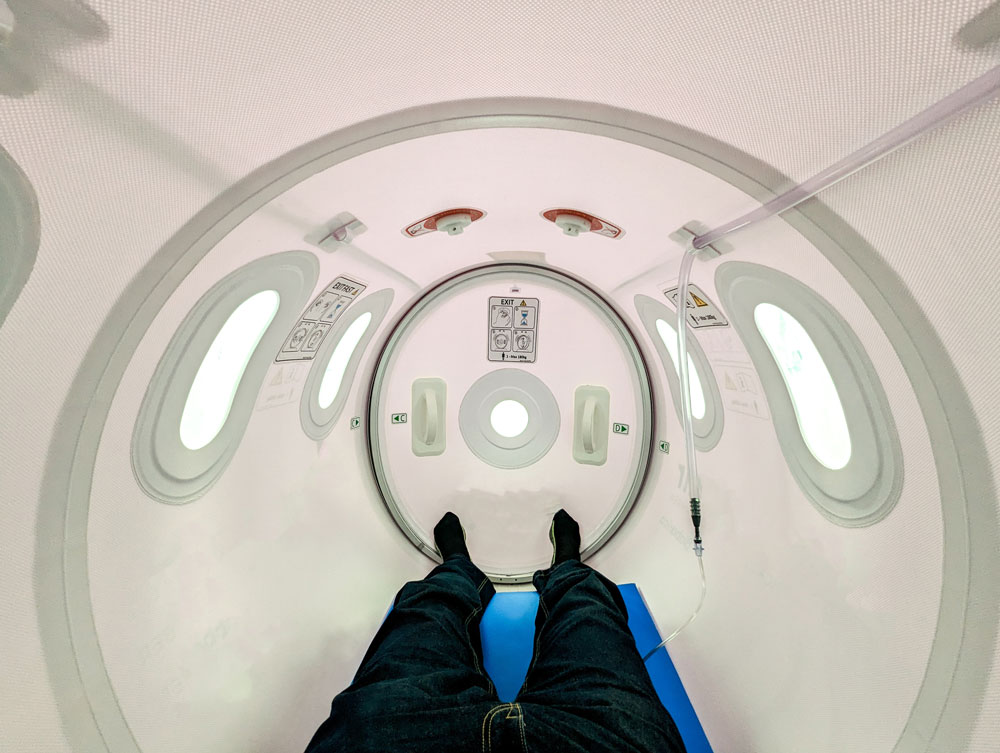
From stubborn wounds that won’t heal to improved post-surgical outcomes, hyperbaric oxygen therapy (HBOT) is helping patients feel better and bounce back faster from illness or injury. HBOT floods your body with oxygen, giving your cells the boost they need to repair damage and restore balance. Whether you’re recovering from a procedure or simply want to optimize wellness, HBOT at Hair By Dr. Max, Restoration Center, has a range of applications that may surprise you. How Does HBOT Work? HBOT works by having you breathe 100% pure oxygen while inside a pressurized chamber. The increased pressure helps oxygen dissolve more effectively into your bloodstream, allowing it to reach tissues that might otherwise get limited blood flow. With more oxygen available, damage is repaired faster, inflammation is eased, and the body’s natural healing processes are supported. Because HBOT enhances oxygen delivery and tissue repair, it’s especially effective after procedures that depend on strong circulation and healing, like hair transplantation. What HBOT Can Do After a Hair Transplant HBOT is proven to support tissue oxygenation and microcirculation in the scalp, making it a valuable tool for patients who have just undergone a hair transplant. At Hair By Dr. Max, Restoration Center, we’re one of the only centers that integrates hospital-grade HBOT throughout the surgical process. Here’s how this advanced treatment can improve your results and recovery. Reduces Swelling & Itchiness Some swelling and itchiness are normal after a hair transplant. Even with advanced techniques, like manual FUE, NeoGraft or ARTAS iX, hair transplantation is still a surgical procedure that disrupts the scalp and hair follicles. Swelling and itchiness are an expected part of the healing process and typically peak within a few days of surgery before subsiding. HBOT has anti-inflammatory effects that can shorten this window, reducing pain, swelling, and itchiness after your hair transplant, helping you feel better sooner. One 2021 study found that rates of itching and folliculitis (inflammation of the hair follicles) were significantly lower in hair transplant patients treated with HBOT compared to the control group. Lessens Post-Op Shedding Another big win for HBOT patients is the reduced post-op shedding. Most patients see a moderate amount of shedding after their hair transplant, which is normal, but those treated with HBOT experience 41.5% less shedding. That’s because it creates the optimal environment hair follicles need to survive, rich in oxygen and nutrients. By reducing post-op shedding, sometimes called “shock loss,” HBOT also helps reduce the “ugly duckling” phase of hair transplant surgery, giving you a head start on your results. Supports Tissue Healing HBOT improves wound healing by bringing oxygen-rich blood to damaged tissues. No matter which technique is used, a hair transplant involves numerous microwounds in both the donor and recipient areas. By flooding the bloodstream with 100% oxygen, HBOT reduces inflammation, accelerates repair processes and fights infection for faster healing. It also stimulates the formation of new blood vessels, bringing more oxygen and nutrients to the scalp. Lowers Risk of Infection Infections are rare after a hair transplant, but they can happen. HBOT increases the concentration of oxygen in your blood plasma, which strengthens the body’s natural immune response and helps white blood cells destroy harmful pathogens more effectively. It also supports a clean, oxygen-rich environment where bacteria struggle to survive. Together, these benefits make HBOT an excellent safeguard against infection during recovery. Read More: What It’s Like Inside a Hyperbaric Oxygen Chamber HBOT Beyond Hair Transplants While HBOT is an incredible tool for supporting recovery after a hair transplant, it also offers benefits that extend beyond the scalp. By enhancing oxygen delivery throughout the body, HBOT is valuable for a wide range of health concerns and performance goals. Sports Recovery Athletes and fitness enthusiasts use HBOT to bounce back from intense training or injury. Oxygen plays a key role in repairing muscle tissue, reducing swelling and clearing lactic acid buildup that causes soreness. After a session, patients often report less fatigue and faster recovery between workouts. For anyone serious about performance and recovery, HBOT offers a natural, noninvasive way to speed up the body’s healing process. Wound Care HBOT has long been used in hospitals and advanced medical centers to help chronic wounds heal, especially those caused by diabetes, surgery or trauma. By bringing oxygen to tissues that struggle to receive adequate blood flow, HBOT improves the healing process and lowers the risk of infection. Even stubborn wounds that haven’t responded to other treatments can often benefit from HBOT’s regenerative effects. Jet Lag Traveling across time zones can leave you feeling foggy and tired. HBOT helps counteract the effects of jet lag by improving oxygenation at the cellular level, which enhances energy, focus and overall recovery. The increased oxygen can also help your body adjust more quickly to new sleep patterns and reduce the headaches or fatigue that often come with long flights. It’s a favorite among frequent travelers who want to feel clear, refreshed and ready to go. Immune Support HBOT strengthens the body’s natural defenses by increasing oxygen levels in the blood, which helps white blood cells fight infections more effectively. This oxygen-rich environment also supports the production of growth factors and signaling molecules that coordinate immune responses. Patients recovering from chronic illnesses or infections may notice improved resilience and a quicker recovery, making HBOT a valuable tool for overall immune support. Long COVID Long COVID describes persistent symptoms that some people experience after an initial COVID-19 infection. These can last several weeks, months or even years and may include fatigue, brain fog, muscle pain, shortness of breath and changes in taste or smell. According to Yale Medicine, HBOT may provide significant benefits to those with Long COVID, leading to substantial improvements in cognitive function, sleep and overall quality of life. Read More: How Many Sessions of Hyperbaric Oxygen Therapy Do You Need? Clinical Research Spotlight Studies continue to highlight the value of HBOT in hair restoration and wound healing. Reduced folliculitis and itching: A 2021 study found significantly lower rates of folliculitis
Bad Hair Day or Beginning of Hair Loss? How to Tell the Difference

It’s natural to notice strands of hair collecting in the hair catcher in the shower or on your brush. In many cases, this is part of the normal hair growth and shedding cycle, and it may not indicate a problem. However, when shedding begins to feel excessive or your scalp starts to show through in areas where it didn’t before, it’s worth taking a closer look. Thinning hair can happen for many reasons. Sometimes, the cause is temporary and can improve with simple lifestyle adjustments. Other times, early hair loss may be developing, and seeking professional evaluation at Hair By Dr. Max can help you identify the difference and find effective hair restoration treatments in Fort Lauderdale to support healthy regrowth. Normal Hair Shedding vs. Hair Loss What Is Normal Most people shed between 50 and 100 hairs daily as part of the natural growth cycle. Each strand of hair goes through phases of growth, rest, and shedding, meaning a few hairs in the shower or on your pillow don’t usually signal a problem. Seasonal changes, stress, and hairstyles that pull on the scalp can temporarily increase shedding, but this often corrects itself. When It Is Not Normal Shedding becomes a concern when you start noticing visible thinning, a wider part, or patches where hair no longer seems to grow back. Hair loss can develop gradually or appear suddenly, depending on its cause. There are additional factors like genetics, hormonal changes, autoimmune conditions, and nutritional deficiencies. If you are seeing consistent shedding beyond a few weeks or noticing a decrease in hair density, it may be time to consider hair restoration options or a scalp evaluation to determine what is happening beneath the surface. Early Signs That You Might Be Losing Hair Receding Hairline A receding hairline often begins with subtle changes near the temples or forehead, where the hairline gradually moves backward in a defined pattern. Some people notice their hairstyle doesn’t frame their face the same way it used to, or that styling takes more effort to cover thinning areas. Early treatment can help slow progression and maintain healthier hair density. Widening Part or Thinning at the Crown When the scalp starts to show through along the part line or at the crown, it may indicate early hair loss rather than normal shedding. The change can appear gradually, with more light reflecting off the scalp or difficulty achieving volume near the top of the head. Hormonal imbalances, aging, and hereditary factors can all influence this pattern, which tends to progress if left unaddressed. Excessive Shedding Finding too many strands on your clothing or noticing large amounts of hair in your brush after washing may suggest your follicles are releasing more hair than they should. Temporary shedding can follow illness, stress, or nutritional deficiencies, but persistent shedding that continues for several weeks could signal a disruption in the natural growth cycle. Patchy or Uneven Hair Loss Bald spots or irregular patches can point to underlying conditions like autoimmune activity or localized scalp inflammation. These patches often feel smooth or may have small, broken hairs around the edges. Uneven loss can appear suddenly and may require medical evaluation to determine whether the follicles are dormant or damaged. Changes in Scalp Health Flaking, itching, or redness on the scalp can contribute to hair weakening and loss if not properly treated. A healthy scalp provides the foundation for strong hair growth, and chronic irritation can interfere with follicle function. Treating inflammation and addressing scalp health concerns can improve overall hair quality and may support new growth. Common Causes of Hair Loss Genetics: Heredity strongly influences how and when thinning develops. If your parents or close relatives experienced early hair loss, you may be more likely to see gradual changes along the hairline or crown as you age. Hormonal Changes: Fluctuations in hormones can affect how your hair grows and sheds. If you have conditions like thyroid imbalance, or if you are pregnant or menopausal, you may experience temporary or progressive thinning. Stress and Lifestyle: Physical or emotional stress can push a large number of follicles into a resting phase, causing excess shedding a few months later. Poor sleep, smoking, and harsh hair treatments can also weaken the scalp and accelerate loss. Nutrition: A lack of important nutrients like iron, zinc, or protein can disrupt normal growth cycles. Even mild deficiencies can make your hair brittle and more prone to shedding. Medications: Certain prescription drugs can list hair loss as a side effect. These may include medications for blood pressure, depression, or autoimmune conditions, and symptoms often improve once the medication is adjusted or replaced. Nonsurgical Hair Loss Treatments Nonsurgical options can often slow or even reverse early thinning before more advanced intervention is needed. Treatments like DHT-blocking medications with finasteride and minoxidil help limit follicle shrinkage and promote thicker growth. Growth factor therapy and Regenera Activa® both use regenerative techniques based on your own cells to stimulate new hair in thinning areas. Other supportive treatments can be used, like laser therapy with the Capillus® Hair Growth Cap and scalp micropigmentation to minimize the appearance of areas with thinning. Surgical Hair Loss Options Surgical restoration redistributes healthy follicles from one area of the scalp to another to create natural, lasting coverage. These techniques can be effective for individuals experiencing significant thinning or male pattern baldness. Each method varies slightly in how follicles are extracted and implanted. Systems such as ARTAS iX® and NeoGraft® automate or assist in follicle extraction and implantation and offer a more efficient and less invasive way to transplant follicles. Manual FUE (follicular unit extraction) allows the surgeon to individually extract and place follicles for patients who prefer a fully manual approach. The Celebrity Hair Transplant, performed with the Trivellini Tech® Mamba device, uses the no-shave FUE method and is ideal for those wanting discreet restoration. Direct graft implantation moves follicles directly into thinning zones in a single step, helping preserve graft vitality and achieve smooth, even coverage. Find
Breathing Like a Superhuman: What It’s Like Inside a Hyperbaric Oxygen Chamber

Picture this: you’re lying comfortably in what looks like a futuristic pod, breathing in pure oxygen while your body soaks up healing benefits that would make Superman jealous. Welcome to the world of hyperbaric oxygen therapy (HBOT), where the air itself becomes medicine. At Hair By Dr. Max, Restoration Center, we’ve integrated this remarkable technology into our hair transplant recovery process because, frankly, the results speak for themselves. But what’s it actually like to experience HBOT? Let’s take you inside the chamber and explore why this isn’t just another wellness trend. The Science Behind Feeling Super Your lungs are incredibly efficient machines, but they’re working with regular air that’s only about 21% oxygen. Inside a hyperbaric oxygen chamber, you’re breathing 100% pure oxygen at pressures two to three times higher than normal. This combination leads to something pretty extraordinary in your bloodstream — your blood plasma becomes saturated with oxygen, traveling throughout the body and reaching areas that might typically receive limited circulation. This increased oxygen jumpstarts cellular repair processes, reduces inflammation and promotes healing. HBOT is so effective, it has been FDA-approved to treat a wide variety of medical conditions, including carbon monoxide poisoning, burns, decompression sickness, vision loss and slow-healing skin infections. It is also widely used to enhance the recovery process after surgery and can help improve graft survival rates following a hair transplant. What Does It Actually Feel Like Inside? Most first-time patients worry about feeling claustrophobic, but modern hyperbaric chambers are surprisingly spacious and comfortable. At Hair By Dr. Max, our hospital-grade chamber feels more like a private relaxation suite than medical equipment. During treatment, you’ll go through two stages: compression, in which the pressure gradually increases, and decompression, a return to normal pressure. Here’s what you can expect during each phase. Compression As the session begins, you’ll notice a gradual increase in pressure, similar to what you experience during airplane takeoff or when diving underwater. Your ears might feel slightly full, and you’ll need to equalize the pressure by yawning, swallowing or gently pinching your nose and exhaling. This sensation typically lasts only a few minutes as your body adjusts. During your treatment session, you’ll recline comfortably inside the spacious tube-like chamber, dressed in a 100% cotton gown designed for HBOT — other materials may be flammable in the high-oxygen environment. Lotions, perfumes, hairspray, scented oils and other personal care products should also be avoided for the same reason. Treatment sessions take about 90 minutes to complete, and a TV is mounted above the chamber to help the time pass quickly. You can also nap, meditate or simply rest and recharge during treatment. Decompression As your treatment nears completion, the pressure will be decreased gradually, allowing your body to adapt and return to baseline. You may notice a “popping” sensation in your ears again, but much like the ascent after a deep-sea dive, this phase is gentle and closely monitored. Once the chamber is fully decompressed, a staff member will help you exit slowly. Many patients report feeling refreshed, clear-headed and energized after their HBOT treatment. Session by Session: Your HBOT Journey Your first treatment might feel a bit unfamiliar, but most patients quickly adapt to the routine, with the 90-minute sessions passing more quickly than you might expect. The number of HBOT treatments you’ll need can differ depending on your goals. Dr. Max typically recommends hair transplant patients start with one session on the day of their procedure, followed by one to two follow-up sessions within the first week. Additional sessions are scheduled as needed. For those using HBOT for sports recovery, the typical protocol is three to 10 sessions. The cumulative effects become noticeable with each treatment, as your body builds on the benefits from previous sessions. Hair transplant patients will see increased growth, improved graft survival and less swelling, as well as reduced follicle shedding, while athletes will enjoy enhanced healing and a quicker recovery from intense training or injury. You may experience temporary fatigue after your HBOT session, but as this side effect subsides, patients typically feel a boost in mood, energy levels and overall well-being that lasts for days. Is HBOT Considered Safe? HBOT is a remarkably safe treatment when administered properly, but there are important considerations to keep in mind. At Hair By Dr. Max, Restoration Center, we carefully screen all patients before recommending HBOT to ensure they’re good candidates. Certain medications, medical conditions or recent illnesses might affect your eligibility. During treatment, you’ll avoid bringing anything flammable into the chamber, including petroleum-based products, perfumes, or electronic devices. The high-oxygen environment requires these precautions, though they become second nature after your first session. Our trained staff monitors every session, and you can speak with our technicians at any time. Most side effects are mild and temporary, such as ear pressure or slight fatigue after treatment. After your treatment, you’ll be free to return home and resume your normal routine. Who Else Can Benefit From HBOT? While we’ve focused on hair transplant recovery and sports performance, HBOT is gaining traction in a wide range of wellness and regenerative medicine applications. From enhanced post-surgical healing and cognitive clarity to improved immunity and skin health, HBOT is a favorite among biohackers, professional athletes and high-performers alike. Curious whether HBOT is right for you? Our team can help you explore how it fits into your lifestyle. Ready to Experience Superhuman Healing? If you’re considering a hair transplant or want to learn more about how HBOT can enhance your recovery, we’re here to answer your questions. Every patient’s journey is unique, and we’ll work with you to determine if HBOT is right for your unique needs and wellness goals. To get started, call Hair By Dr. Max, Restoration Center, in Fort Lauderdale, Florida, at 954-945-2909 and discover how breathing like a superhuman can transform your hair restoration experience.
The DHT Connection: How Hormones Influence Hair Follicle Miniaturization

Thinning hair and hair loss often happen gradually. At first, you may notice more hair in your brush or comb. Then your morning routine might take a little longer as you try different angles, wondering if the mirror or your hairline is playing tricks on you. If you’re prone to hair loss, you’re not imagining it, and you’re definitely not alone. Hair loss affects millions of people, but understanding why it happens can feel like trying to decipher a medical textbook. At Hair By Dr. Max, Restoration Center, we’ll walk you through the main causes of hair loss, explain the role of dihydrotestosterone (DHT) in hair follicle miniaturization, and help you understand why some treatments are more effective than others. What Exactly Is DHT? DHT stands for dihydrotestosterone, a hormone your body naturally produces from testosterone via an enzyme called 5-alpha reductase. While DHT plays an important role in male development, particularly during puberty, it’s also a key component of hair loss in those who are genetically susceptible to its follicle-shrinking effects. The Miniaturization Process Explained Hair follicles are like tiny factories programmed to produce a certain amount of hair through a limited number of growth cycles. When DHT binds to the hair follicles, it leads to miniaturization, causing the hair follicles to shrink over time. As a result, the strands weaken and become brittle, shedding increases, and the growth cycle is disrupted. Eventually, hair loss occurs. This process is a hallmark of androgenic alopecia, also known as male (or female) pattern baldness. Miniaturization tends to happen gradually. Initially, you might not even notice it because the changes can be subtle. The hair is still there, but it’s not as thick or robust as it used to be. As DHT continues to affect the hair follicles, they shrink even further and struggle to produce any hair. This progression can vary from person to person, with genetics playing a big role in how quickly (or slowly) miniaturization leads to noticeably thinning hair and hair loss. Why Some Hair Follicles Are More Vulnerable Not all hair follicles respond to DHT equally, which explains why male pattern baldness follows predictable patterns. The follicles on the top of your head (crown) and hairline contain more androgen receptors, making them particularly sensitive to the effects of DHT. Meanwhile, the hair on the back and sides of your head — the areas that often remain thick even with advanced balding — have fewer receptors and show greater resistance to miniaturization. These predictable patterns are also why hair transplant procedures work so effectively. When surgeons move hair follicles from DHT-resistant donor areas to those experiencing hair loss, the transplanted follicles maintain their original characteristics. They’ll continue to grow resilient hair throughout your lifetime in their new location, providing a permanent solution to hair loss. The Role of Genetics & Aging Your genetic makeup determines not just whether you’ll experience hair loss, but also when it starts, how rapidly it progresses and which areas of your scalp will be affected first. The genes involved in hair loss influence everything from androgen receptor sensitivity to 5-alpha reductase enzyme activity. As we age, the cumulative effects of DHT on the hair follicles add up, making hair loss more common in men over 50. Additionally, cellular regeneration and repair mechanisms slow down as we age, making it harder for the hair follicles to recover from DHT-induced damage. Interestingly, some people have a genetic predisposition to hair loss but never develop significant balding due to lower DHT production or reduced follicle sensitivity. Environmental factors also play an important role — this explains why identical twins can sometimes have different hair loss patterns, especially if their lifestyles differ significantly. Modern Treatment Approaches at Hair By Dr. Max Our increased understanding of DHT’s role in hair loss has opened up several treatment pathways that target different aspects of the miniaturization process. The beauty of modern hair restoration lies in having multiple options that can work independently or in combination, depending on your specific situation and goals. The key is addressing the problem before miniaturization becomes too advanced. Once the hair follicles shut down completely, even the most sophisticated treatments have limited effectiveness. Early intervention, whether through medication, lifestyle changes or surgical procedures, typically yields the best long-term outcomes. DHT Blockers Oral medications offer a direct approach to combating DHT-related hair loss by targeting the hormone’s production within your body. Finasteride (Propecia), an FDA-approved medication that can be applied topically or taken orally, works by inhibiting the 5-alpha reductase enzyme, effectively reducing DHT production by up to 70%. Dutasteride (Avodart) works similarly but provides a more potent effect by inhibiting two types of 5-alpha reductase enzymes. Topical Medications Topical treatments offer a different approach by delivering medication directly to affected areas while minimizing systemic exposure. Minoxidil (Rogaine) is one of the most popular topical solutions for hair loss, available in 2% and 5% concentrations. This treatment works by improving blood flow to hair follicles and extending the anagen (growth) phase of the hair cycle. Hair Transplantation Hair transplant surgery is the most permanent solution for advanced hair loss, redistributing DHT-resistant follicles from the back and sides of the head to areas with excessive thinning or shedding. At Hair By Dr. Max, modern techniques — including manual FUE and ARTAS iX hair transplantation — have transformed the obvious “pluggy” results of decades past to completely natural-looking hairlines that are undetectable even under close inspection. At Hair By Dr. Max, Dr. Maxim Chumak personally performs every aspect of the procedure, from extraction to implantation. This surgeon-performed approach ensures consistent quality and allows for real-time adjustments based on your hair’s natural growth patterns and characteristics. The use of advanced robotic assistance, including the ARTAS iX system, provides unprecedented precision in follicle selection and harvesting. Take Control of Your Hair Loss Journey Hair loss might be common, but it doesn’t have to be inevitable. Whether you’re just starting to notice changes or you’ve been dealing with thinning hair
Is the Recovery Different for FUE vs. FUT Hair Transplants?
When you’re considering a hair transplant, the thought of recovery can feel overwhelming. You’re probably wondering how long you’ll need to take off work, when you can get back to the gym, and most importantly, which procedure will get you back to normal life faster? The truth is, recovery time and experience can vary significantly between FUE (follicular unit extraction) and FUT (follicular unit transplantation) procedures. Understanding these differences can help you make an informed decision about which approach aligns best with your lifestyle and expectations. Understanding the Two Approaches Before diving into recovery specifics, let’s clarify what each procedure involves. FUE extracts individual hair follicles directly from the donor area, leaving tiny circular marks that heal relatively quickly. FUT, on the other hand, involves removing a strip of scalp from the back of the head, which is then dissected into individual grafts while the remaining skin is stitched closed. This fundamental difference in technique sets the stage for dramatically different recovery experiences. FUE Recovery FUE recovery tends to be more comfortable and straightforward for most patients. Since there’s no linear incision or sutures involved, you’re looking at a less invasive healing process overall. Initial Healing The first few days after FUE are typically manageable. You might experience some mild discomfort in the donor area, but it’s usually described as a slight soreness rather than sharp pain. Most patients find over-the-counter pain medication sufficient during this period. The extraction sites in the donor area will form small scabs that fall off within seven to 10 days. These scabs are barely noticeable, especially if your hair is slightly longer in the donor region. Downtime With FUE, you can generally return to light activities within a few days. Most patients go back to desk work within two to three days, though you’ll want to avoid anything that causes excessive sweating or puts pressure on the scalp. Cosmetic Considerations One of the biggest advantages of FUE recovery is the minimal visible scarring. The tiny extraction sites heal as small dots that become virtually invisible once your hair grows back. This means you can wear your hair short without worrying about visible scarring, a significant consideration for many patients. FUT Recovery While FUT generally allows for harvesting more grafts in a single session and might be appropriate for some patients, the recovery is a more involved process, requiring more patience and careful management due to the linear incision on the back of the scalp. Initial Healing The first week after FUT can be more uncomfortable than FUE. The incision needs time to heal properly, which means being more cautious with movement and positioning. Sleep can also be more challenging, as it’s important to avoid putting pressure on the incision. Many patients find they need to sleep upright and use multiple pillows to stay comfortable during the first week. Downtime FUT patients typically face longer restrictions on physical activities. The incision needs adequate time to heal before any activities that might stress the area, so returning to work might take a bit longer, especially if your job involves physical activity. Even desk work can be uncomfortable if the incision site is still tender. Cosmetic Considerations The most significant long-term consideration with FUT is the linear scar that forms at the incision site. While surgical techniques have improved and scars can be quite thin, they’re still permanent and visible if you prefer shorter hairstyles or a close-cropped look. Patients who already have FUT scarring aren’t stuck with it forever. Dr. Max offers advanced scar repair techniques to improve the appearance of existing linear scars. These procedures can help break up the scar tissue and create a more natural-looking hairline in the donor area, often allowing patients more flexibility in their hair styling choices. The Real Talk: Patient Experiences Technical details are helpful, but what do real patients experience during their procedure and recovery? Here’s what our patients have to say about FUE with Dr. Max: “Nothing but good things to say about Dr. Max and the team, had an amazing experience with the procedure. Dr. Max handles the entire procedure himself which really put my mind at ease. Everything went pretty smooth, recovery was fairly simple and pain free. Special thanks to Kelly for always being available for questions and being on top of everything. I’m really happy with my result so far and would definitely recommend it.” — Saketh T. “It’s still early to see results but I can already see some very short hairs trying to come out. I won’t see final results until a year after the procedure but there’s one thing that I can’t see already, which is the terrible linear scar that other types of procedures leave in the back of your head forever.” — Pedro C. “I have had 2 other transplants in the past. Neither of them can begin to compare to the ease and convenience of my recent one from 5 weeks ago with Maxim Medical. The day after the transplant there was no swelling, no pain, and no variation of my daily routine. It was almost as easy as getting a haircut. You can save money by not using the robot but there are no scars and no pain and really this was so easy.” — MC H. “I just completed my 2000+ graft transplant at Maxim Medical which was an extremely positive experience. After extensive research and numerous consultations with several providers in multiple states, my clear choice was Dr Chumak. Maxim Medical is an ARTAS robotic hair restoration platinum provider. . .It’s only been a few days since my procedure and it has been virtually a pain free healing experience thus far. Also included in the transplant package are several PRP (platelet-rich plasma) treatments to further enrich existing and newly transplanted hair follicles. I’m looking forward to seeing my results as they progress! My only regret is that I waited so long to finally have the procedure done.” — Asuc F. Accelerated Healing with
The Bro’s Guide to Hair Transplants

Let’s cut to the chase. You’ve been staring at your hairline in the mirror and wondering if it’s time to do something about it. Maybe you even push your hair back to see how far it’s receded, or snap a quick selfie to check for thinning on the crown of the head. You’re definitely not alone in this. Hair loss affects about 50 million men in the United States, so if you’re reading this, you’re in good company. And you certainly don’t have to accept hair loss as inevitable, unless you’re one of the lucky few who can rock a bold, clean-shaven look. Modern hair restoration can help you regain your confidence and a thicker, fuller head of hair, but these techniques aren’t your dad’s hair plugs. We’re talking about real, natural-looking results without obvious scarring or an artificial “doll-hair” appearance. So what are your options? Let’s break down the main approaches and what makes each one different. Hair Transplant Techniques Hair transplants aren’t one-size-fits-all. There are a few different surgical techniques available, each with its own pros and cons. The right choice depends on your hair type, your goals and your surgeon’s expertise. Here’s a look at the main approaches. Follicular Unit Extraction (FUE) FUE is probably what you’ve seen in those before-and-after photos that actually look believable. This technique involves removing individual hair follicles from the back and sides of your head (where the hair is thickest and healthiest) and placing them where you need them most. The process involves making tiny incisions around each follicle and extracting them one by one. It sounds tedious, but that precision is exactly why the results look so natural. There’s no strip of scalp removed, no linear scar, and the recovery is relatively straightforward. Most guys can get back to work within a few days, though you’ll want to avoid heavy lifting for a week or two. Follicular Unit Transplantation (FUT) Also known as strip harvesting, FUT takes a different approach to hair transplantation by removing a strip of skin from the back of the scalp and dissecting it into follicular units under a microscope. The surgeon closes the incision with stitches, leaving a thin, linear scar behind. Although once a popular choice for hair transplantation, new tools and technology have made it quicker and easier to harvest individual hair follicles, rendering FUT somewhat obsolete. African American Hair Transplants Black men and those with Afro-Caribbean hair face unique challenges when it comes to hair restoration. Curved hair follicles make extraction more complex, and there’s a higher risk of keloid scarring. Fortunately, specialized techniques have been developed specifically for textured hair — the key is finding a surgeon who has experience utilizing them. The approach might be more conservative, but the results can be just as impressive when done right. Celebrity Hair Transplants You’ve probably wondered about actors and athletes who start to lose their hair, then seem to magically get it back. No shaved head. No scarring. No evidence of a hair transplant. They didn’t discover a magic bullet for hair loss, but they did get something most clinics don’t offer: a no-shave hair transplant, sometimes called a “celebrity hair transplant.” This procedure gets its name because celebrities can’t exactly show up to a movie set or red carpet event with a freshly shaved head and obvious signs of a procedure. The no-shave FUE technique only trims the donor area where hair is being extracted, leaving the rest at full length. Direct Graft Transplantation Direct graft implantation describes graft placement after FUE donor harvesting. Dr. Max personally implants every graft using sharp implanters. The recipient opening and graft placement occur together, so separate pre-made recipient sites are generally not required. The technique still creates small openings in the skin and is not incision-free or scar-free. Dr. Max controls graft direction, angle, depth and distribution. Procedure time and recovery vary. Follow the clinic’s individualized aftercare instructions, including when to wash your hair; direct implantation does not create a universal same-day-washing rule. Hair Transplant Technology New techniques have evolved alongside hair transplant technology. More precise and less invasive tools have made the entire process smoother from start to finish. ARTAS® iX ARTAS iX is a robotic hair restoration system capable of intelligently harvesting and implanting hair follicles. It has streamlined the FUE process dramatically, with the ability to harvest 900-1,200 follicular units an hour at the optimal angle and depth, minimizing damage to the surrounding tissue. This doesn’t mean a robot is doing your hair transplant. The surgeon is still in complete control, but ARTAS iX helps with the repetitive work of follicle extraction. NeoGraft® NeoGraft is a device used in FUE donor harvesting. FUE removes individual follicular units through small openings rather than removing a strip of scalp. It avoids a linear strip-harvest scar but can leave small donor scars. At Hair By Dr. Max, harvesting and implantation remain physician-performed, distinct stages. Manual FUE Despite all the technology available, many of the best results still come from skilled manual extraction. An experienced surgeon like Dr. Max can adjust his technique in real-time based on what he’s seeing, adapting to different hair types and scalp conditions. Manual FUE allows for complete customization of the extraction process. The surgeon can vary angles, depths and approaches based on individual hair characteristics. It might take longer, but the level of control often translates to better results. Hyperbaric Oxygen Therapy (HBOT) At Hair By Dr. Max, Restoration Center, we now offer HBOT as part of the hair transplant process. Sessions start immediately after your procedure. During HBOT, you breathe pure oxygen in a pressurized chamber, which can improve healing and graft survival. It’s not standard everywhere, but it shows how seriously Dr. Max takes optimizing results. Nonsurgical Hair Restoration Not ready for surgery? Advances in hair restoration treatments and technology mean there are effective nonsurgical options available for slowing hair loss and promoting growth. DHT blockers like finasteride can prevent further loss, while treatments like growth
Hair Loss and Mental Health: You’re Not Alone
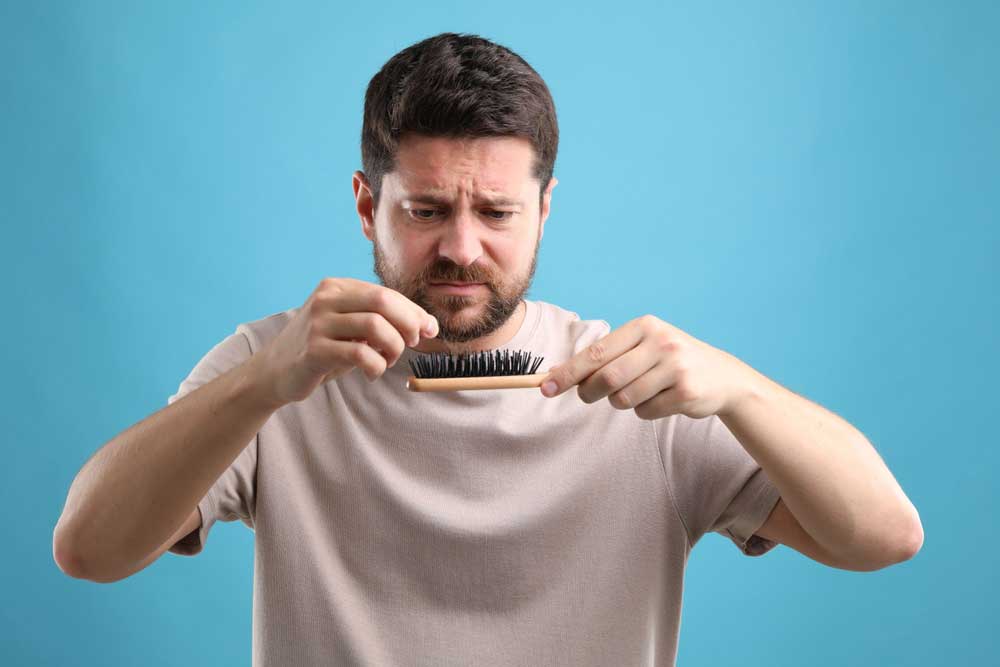
Hair loss is more than just a physical change — each strand that falls can deeply affect how you see yourself and how you think others perceive you. At Hair By Dr. Max, Restoration Center, we understand that thinning hair impacts your emotional well-being as much as your appearance. Many patients tell us that hair loss has made them feel less confident, more anxious in social situations or even reluctant to pursue new relationships or career opportunities. You’re not alone in these feelings. Let’s talk about the connection between hair loss and mental health, and explore ways to address both. The Psychological Impact of Hair Loss For many people, hair is tied to their identity, as well as “ideal” qualities like youth and attractiveness. When it begins to thin or recede, the psychological effects can be significant: Decreased self-esteem often follows hair loss, with many individuals reporting they feel less attractive or confident Social anxiety may develop as people worry others are focusing on their hair loss Depression can occur when hair loss affects someone’s self-image or social interactions Research backs this up. A study published in the Journal of the American Academy of Dermatology found that hair loss can trigger significant psychological distress, including anxiety and depression. Women often report even greater psychological impact than men, although men certainly aren’t immune to these feelings and also find hair loss to be upsetting. Signs Your Hair Loss Is Affecting Your Mental Health How do you know if hair loss is having a significant impact on your mental wellness? You might be experiencing the following signs or symptoms: Spending excessive time thinking about your hair loss Avoiding social situations or activities you previously enjoyed Feeling embarrassed or ashamed about your appearance Constantly checking your hairline in mirrors or photographs Withdrawing from social relationships or intimacy We all have better things to do than worry about our hair all day, but when hair loss starts dominating your thoughts, it can affect nearly every aspect of your life. Maybe you’ve canceled plans at the last minute because you didn’t feel comfortable with how you looked, or perhaps you’ve spent hours researching hair loss solutions online instead of sleeping. If this sounds like you, you’re not alone — hair loss affects millions of men and women each year. Recognizing the impact it can have on your life is the first step to regaining your confidence. Coping Strategies That Can Help If you’re struggling with the emotional aspects of hair loss, here are some approaches that may help you cope with thinning hair or hair loss and reduce its negative impact on your life. Connect With Others Who Understand Consider joining a support group, either in person or online. Connecting with others who share similar experiences can be incredibly validating and may provide practical advice for coping. Focus on What You Can Control While you may not be able to instantly reverse hair loss, you can control how you respond to it. This might include exploring treatment options, experimenting with different hairstyles or simply focusing on self-care practices that boost your overall well-being. Practice Self-Compassion Be kind to yourself. Challenge negative self-talk by speaking to yourself as you would to a good friend facing the same situation. Remember that your worth isn’t defined by your hair. Medical Treatments That Address Hair Loss While new coping strategies can help reduce the impact of losing your hair, hair loss treatments address the source of your distress to help you regain your confidence. Today, there are more options than ever to help men and women regrow thicker, fuller hair — from traditional hair transplants and DHT blocks to regenerative growth factors and nonsurgical laser caps. Medication Options FDA-approved medications like finasteride (Propecia) and minoxidil (Rogaine) have proven effective for many patients. These treatments can slow hair loss and stimulate regrowth by: Blocking the hormone that causes hair follicles to shrink (finasteride) Improving blood flow to hair follicles and extending the hair’s growth phase (minoxidil) At Hair By Dr. Max, we offer a range of effective medications for hair loss. During your initial consultation, Dr. Max will evaluate your needs, goals and the underlying causes of your hair loss to help determine which medication (or combination of medications) might work best for you. Hair Transplantation For those seeking a more permanent solution, hair transplantation offers comprehensive and natural-looking results. The follicular unit extraction (FUE) technique we use at Hair By Dr. Max, Restoration Center, provides exceptional outcomes with minimal downtime. It works by: Harvesting donor follicles from the back and sides of the head Artistically implanting these follicles in balding or thinning areas Creating a natural hairline tailored to your unique features Unlike older techniques, FUE hair transplantation uses minimally invasive techniques that leave no linear scars. Each step of your procedure is performed personally by Dr. Max, and he only takes on one patient per day, ensuring you have his full and undivided attention from start to finish. Following hair transplantation, our patients report significant improvements in their confidence and overall quality of life, feeling empowered to live each day to the fullest. Complementary Treatments In addition to surgical and nonsurgical hair restoration procedures, we also offer a number of complementary techniques to help boost your results. These include platelet-rich plasma (PRP) injections, which use your body’s own growth factors to stimulate hair growth, and hyperbaric oxygen therapy (HBOT), which delivers pure oxygen to reduce inflammation and improve healing. Each hair transplant patient receives a package of two free PRP sessions and a lifetime discount (50% off) on all future PRP and scalp micropigmentation (SMP) treatments. “What sets Dr. Maxim apart is his hands-on approach; he personally handled every aspect of the procedure. His meticulous attention to detail and skillful technique are evident in the noticeable results I’ve experienced. I now have a fuller, natural-looking head of hair that has boosted my confidence immensely. I highly recommend Dr. Maxim for anyone considering a hair transplant!!” — Michael
How Many Sessions of Hyperbaric Oxygen Therapy Do You Need?
If you’re considering hyperbaric oxygen therapy (HBOT) as part of your recovery or wellness plan following hair transplantation, one of the most common questions we hear from patients is: How many sessions will I need? The answer isn’t one-size-fits-all — it depends on factors like your specific condition, health goals and how your body responds to treatment. At Hair By Dr. Max, Restoration Center, in Fort Lauderdale, we incorporate HBOT into our comprehensive approach to hair restoration for optimal results and healing. Let’s break down what determines your treatment schedule and how many sessions you might need. What Is Hyperbaric Oxygen Therapy? Before diving into session numbers, let’s quickly cover what HBOT actually is. Hyperbaric oxygen therapy involves breathing pure oxygen in a pressurized chamber where the atmospheric pressure is increased to two to three times normal levels. This allows your lungs to gather significantly more oxygen than would be possible under normal circumstances. The increased oxygen dramatically elevates oxygen levels in your blood, which helps to fight bacteria, stimulate the release of growth factors and stem cells, and promote healing. These powerful effects explain why HBOT has become such a valuable tool, with numerous medical and wellness applications, from enhancing recovery after hair transplants to treating chronic wounds and even supporting brain health. But the question remains: how many of these specialized treatments will you need to achieve your health goals? Factors That Determine Your HBOT Schedule Creating an effective HBOT treatment plan goes beyond following a standard protocol — it means tailoring the approach to your unique situation. Too few sessions might not produce the results you’re hoping for, while an excessive number might be unnecessary. Here’s what Dr. Max considers when developing your personalized HBOT schedule. Your Specific Needs & Treatment Goals Different conditions require different protocols. For example: Hair transplant patients typically benefit from multiple sessions per week (often between four to six), gradually decreasing in frequency as healing improves Nonhealing wounds may require between 20-40 sessions Traumatic brain injury protocols might involve 40+ sessions Anti-aging and wellness applications usually start with 10-20 sessions The Severity of Your Condition The more severe your condition, the more sessions you may need. Someone recovering from a minor procedure might require fewer sessions than someone dealing with a chronic condition. Your Body’s Response to Treatment Everyone’s body responds differently to HBOT. Some people notice significant improvements after just a few sessions, while others might need more treatments before seeing the same benefits. Dr. Max will monitor your progress and adjust his recommendations accordingly. You can expect the frequency of your HBOT sessions to decrease as your healing progresses. Typical Treatment Protocols While your treatment will be customized, here are some general guidelines for what to expect: Post-Hair Transplant Protocol At Hair By Dr. Max, Restoration Center, we often recommend HBOT after hair transplantation to enhance your results and speed up the recovery process. A typical protocol involves: One to two sessions on the day of your procedure One to two follow-up sessions within the first week Additional sessions as needed based on your healing progress This approach helps reduce swelling, improve graft survival rates and accelerate healing, helping you achieve optimal results from your hair transplant. Treatment sessions typically last between 60-90 minutes, although the duration may vary depending on your unique needs. Standard Medical Protocols For reference, here are typical protocols for other common applications: Wound healing: Daily treatments, five days per week for four to eight weeks Sports recovery: Three to 10 sessions, depending on injury severity Brain optimization: 20-40 sessions, often with maintenance sessions afterward Anti-aging applications: 10-20 initial sessions, followed by maintenance sessions What to Expect During Your HBOT Journey Understanding the overall treatment journey can help you prepare for your HBOT experience. At Hair By Dr. Max, we’ve refined our HBOT protocols specifically to enhance the success of hair restoration procedures, with a focus on improving graft survival and accelerating healing. The Initial Phase For our hair transplant patients, the initial phase is crucial as it helps establish optimal oxygen levels right when your newly transplanted follicles need it most. The increased oxygen environment helps reduce inflammation and promotes faster healing of the donor area and recipient sites. This might mean: Multiple sessions a week to optimize healing 60-90 minute sessions each time Consistent timing to maintain therapeutic oxygen levels During this phase, your body adapts to the increased oxygen levels and begins cellular repair processes. The Progress Assessment After your initial series, Dr. Max will personally evaluate your progress. Unlike many clinics where you might see different providers, Dr. Max oversees every aspect of your treatment journey, ensuring continuity of care. This comprehensive assessment typically includes: Review of your symptoms and improvement Examination of healing progress and hair graft stability Discussion of how you’re feeling overall Based on this evaluation, your treatment plan will be adjusted to meet your unique needs. Decreasing Frequency For hair restoration patients, HBOT helps ensure the long-term success of your hair transplant while improving the health of your scalp. Our patients often report improved graft survival and enhanced results when following our complete protocol. The frequency of your treatments will decrease as your healing progresses, but that doesn’t mean you’re “on your own” after HBOT — at Hair By Dr. Max, our hair transplant patients receive two complimentary PRP treatments to support the recovery process, along with a lifetime 50% discount on all future PRP sessions. Signs You’re Getting the Right Number of Sessions How do you know if your treatment protocol is working? For hair restoration patients, the benefits of HBOT extend beyond just the transplanted area — many people notice improvements in their overall well-being alongside enhanced healing. Dr. Max carefully monitors your treatment progress to ensure you’re getting optimal results from your HBOT sessions. Watch for these positive indicators: Enhanced recovery after your hair transplant procedure Less post-surgical follicle shedding Increased energy levels Better sleep quality Improved mental clarity Enhanced athletic performance You should