
ARTAS iX is one of the tools Dr. Max may use for selected FUE cases. Technology assists the surgeon; candidacy, donor planning, hairline design and surgical execution remain physician-directed.
At Hair By Dr. Max Restoration Center in Fort Lauderdale, Florida, Maxim Chumak, MD, ABFM, ABHRS Diplomate, FISHRS, evaluates whether robotic assistance or another FUE approach fits your hair characteristics, donor supply and restoration goals. He operates and directs the robotic system when it is used and remains responsible for the surgical procedure.
With more than 20 years of surgical experience, Dr. Max works with you to create a personalized treatment plan. His clinical practice has focused on hair restoration since 2016.
The practice limits surgery to one patient per day. Dr. Max personally performs harvesting and implantation; trained staff support non-surgical preparation. The aim is a natural-looking result planned around your available donor hair and future hair loss, not a guaranteed density or outcome.
How Does It Work?
01
Consultation
Dr. Max evaluates your hair-loss pattern, donor capacity, scalp and hair characteristics, medical history and goals. Your consultation covers suitable treatment options, expected limitations, costs and follow-up. ARTAS is considered only when appropriate for your individual plan.

02
Hairline Design
Dr. Max plans the hairline and graft distribution with your facial proportions, existing hair and likely future hair loss in mind. The proposed graft count is balanced against the donor supply available for this procedure and potential future treatment.

03
Physician-Directed Technique
Your treatment plan identifies the role of robotic assistance and manual techniques. Dr. Max determines the surgical approach, directs the technology and remains responsible for the procedure. A device’s available features are not a substitute for an individualized surgical plan.

04
Harvesting
Dr. Max personally performs donor harvesting and operates and directs ARTAS when robotic assistance is selected. Harvesting is planned to preserve donor resources; the number and distribution of grafts depend on your scalp assessment. Small donor-site scars can occur.

05
Graft Preparation
Trained staff may assist with non-surgical graft organization, microscope inspection and sorting, and implanter loading under Dr. Max’s direction. Harvesting and implantation remain physician-performed. Grafts are prepared to support the planned hairline and distribution.

06
Physician-Performed Implantation
Dr. Max personally performs graft implantation, controlling placement according to the planned direction, angle, depth and distribution. The implantation method is explained as part of your individual treatment plan; robotic assistance does not replace the surgeon’s judgment or responsibility.

07
Recovery and Follow-Up
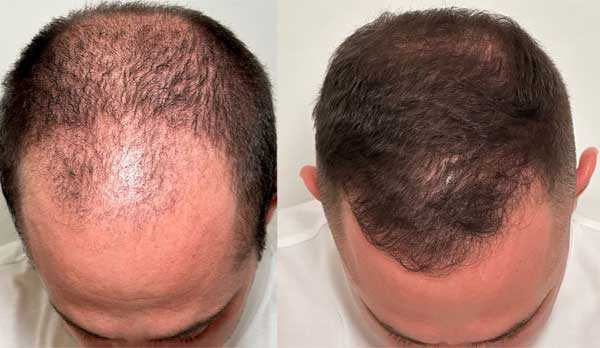
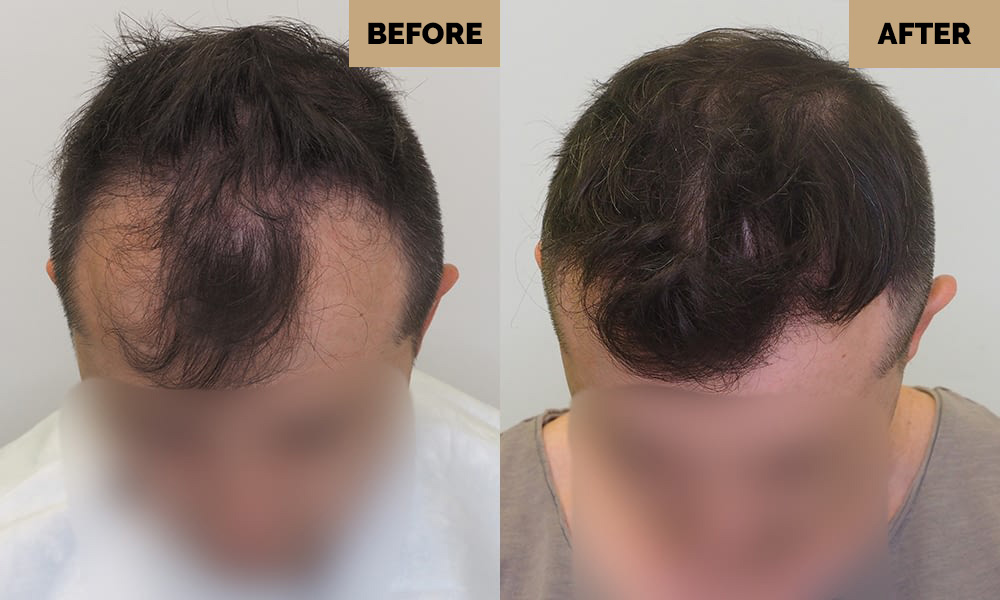
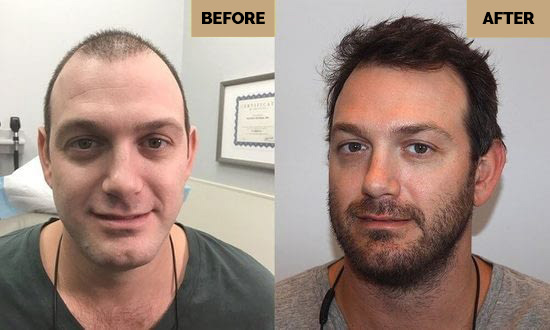
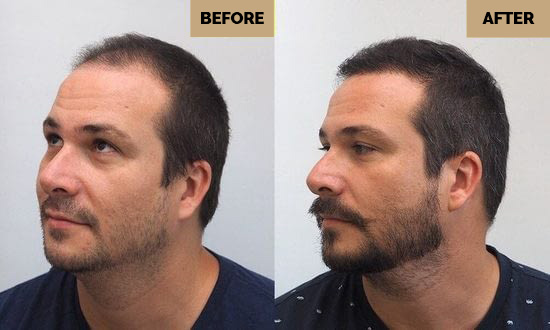
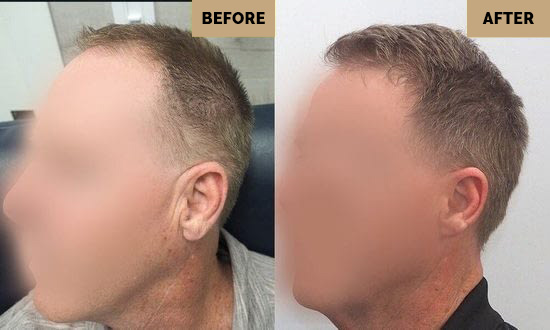
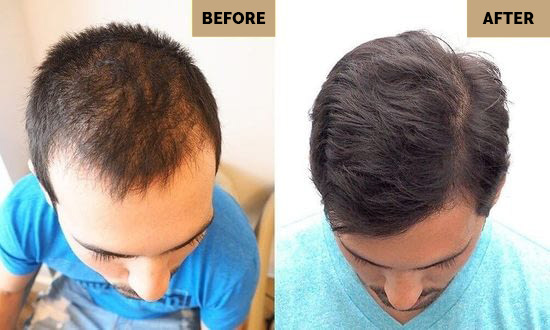
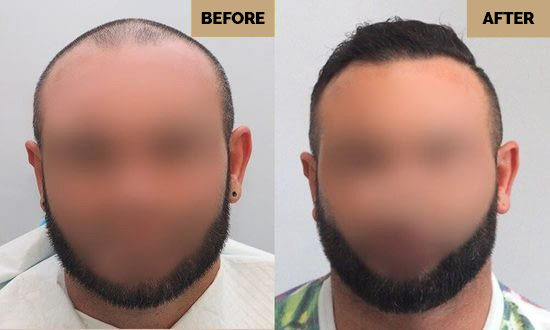
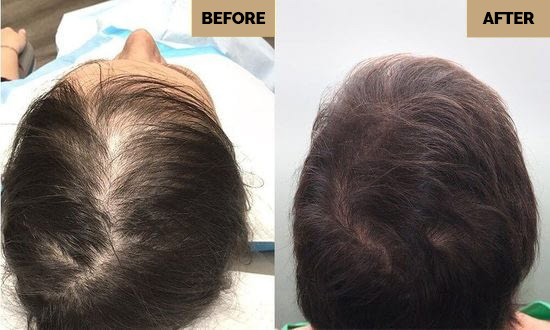
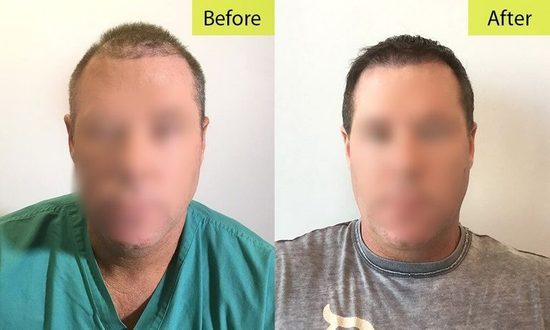
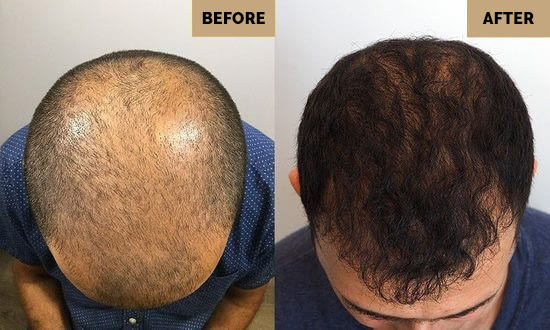
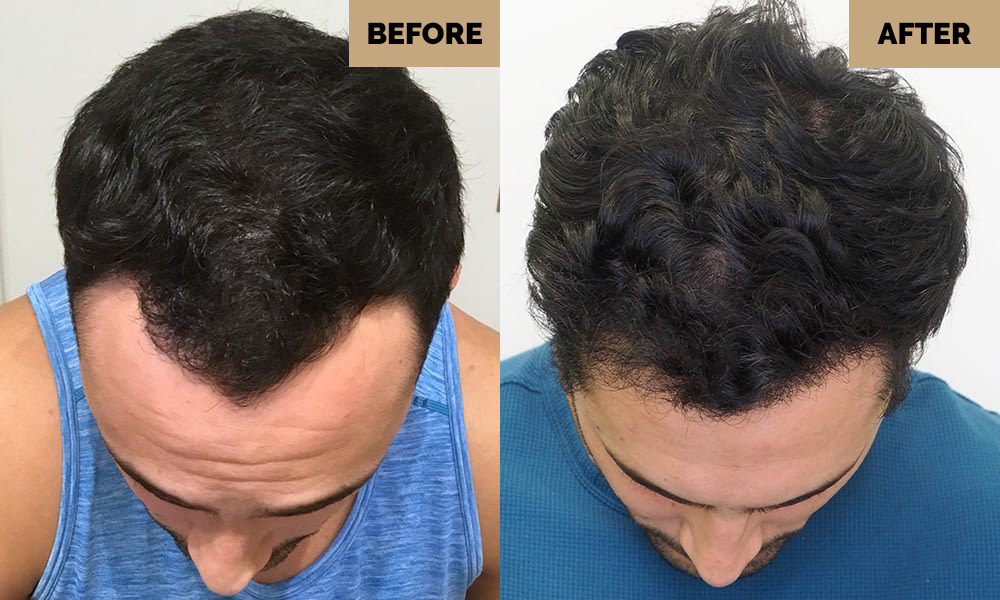
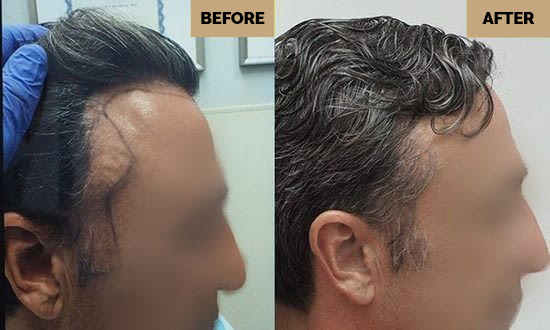
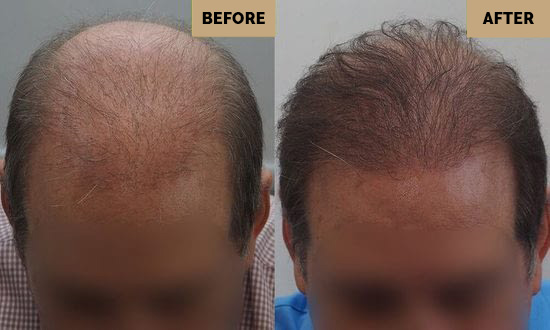
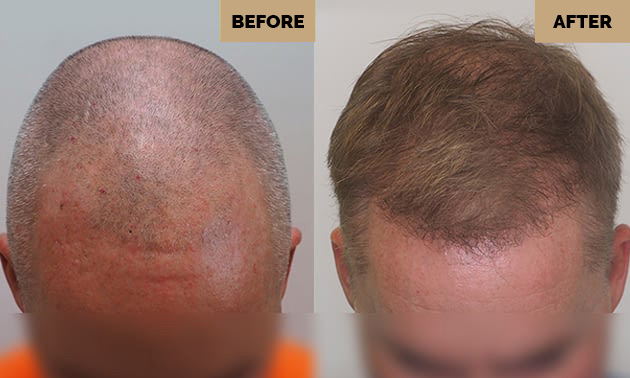
Healing and hair growth develop gradually. Dr. Max reviews progress during follow-up and discusses care for your existing hair. The timing, density and cosmetic result vary; additional treatment may be appropriate as hair loss progresses. Gallery photographs show individual outcomes, not a prediction of your result.
Is ARTAS iX Right for You?
- Individual candidacy. Hair characteristics, donor density, scalp condition, medical history and restoration goals help Dr. Max decide whether robotic assistance is appropriate.
- Physician-controlled treatment. Dr. Max selects the approach, operates and directs the robotic system when used, and remains responsible for the surgical steps.
- Donor preservation. The graft plan balances present coverage goals with a finite donor supply and potential future hair loss. No device can guarantee an unchanged donor appearance.
- A choice of approaches. Robotic assistance is one option alongside manual FUE. The plan should explain the role of each technique, rather than assume every available device feature will be used.
- Realistic expectations. Robotic assistance does not make surgery error-free or remove surgical risk. Results depend on individual factors; density, healing and cosmetic outcomes are not guaranteed.
- Individual preparation. Follow the clinic's written instructions for your selected procedure. Hair color or skin tone alone does not establish candidacy, and hair-dye instructions should not be assumed to apply to everyone.
ARTAS iX Patient Results: Individual Outcomes Vary



Preparation and Aftercare
Follow the clinic’s individualized written preparation instructions. Ask the team before changing your hair length or color; the plan depends on the selected technique and your hair characteristics. Discuss your medical history and medications with Dr. Max before treatment.
You will receive guidance on scalp care, washing, activity and follow-up. Hair transplantation is surgery and is not risk-free. Discuss potential scarring, discomfort, infection, uneven growth and other patient-specific risks during your consultation.
NEXT STEP
Schedule a consultation with Dr. Maxim Chumak to review your hair-loss pattern, donor capacity and treatment options. His hair-restoration team can help arrange the appointment and explain the current consultation format and fees.