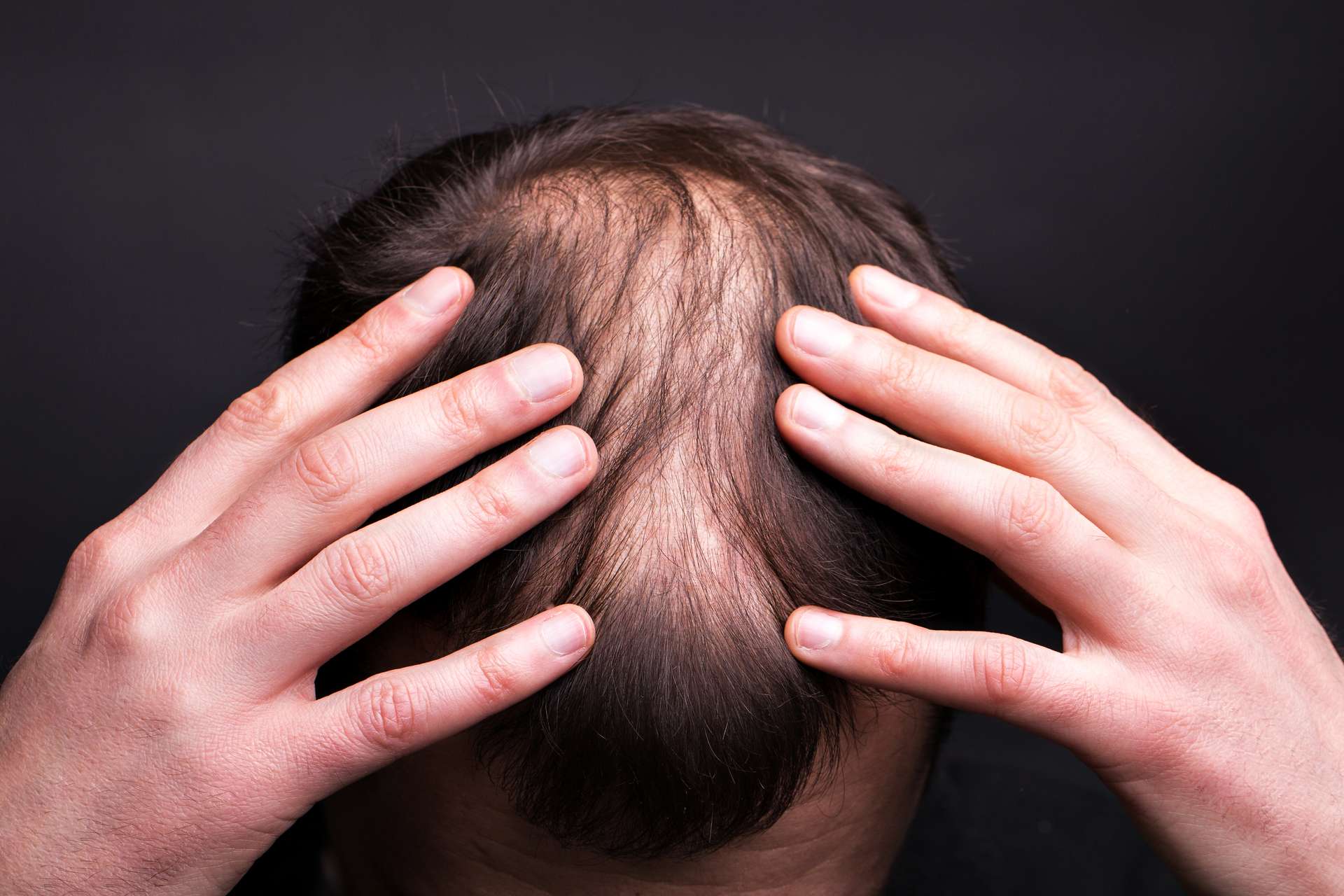
Some physicians build their careers around broad medical services. Others focus on one area and commit to understanding it from every angle. Both approaches are important, but when you have a specific concern like hair loss, with challenges and patterns that are unique to you, it is important to find a physician who specializes in the diagnosis and treatment of your condition.
Dr. Maxim Chumak and his practice are different from others that offer similar services. Hair restoration treatments can be found in many different clinics throughout Florida, but at Hair By Dr. Max Restoration Center in Fort Lauderdale, the entire practice is centered around hair loss treatments and helping men and women enjoy a full head of hair again. Dr. Max also manages every aspect of care himself, from the simplest to the most complex of cases.
Why Do Experience and Credentials Matter for Hair Restoration?
Often, hair loss treatments are an add-on, placed alongside a long list of unrelated services. In this context, hair restoration decisions can sometimes be guided more by convenience rather than a deep familiarity with hair growth, scalp health and surgical technique. Credentials and hands-on experience both matter because hair loss is not a single issue with a single solution.
One of the most important certifications to look for is board certification by the American Board of Hair Restoration Surgery (ABHRS). While anyone with a medical license is allowed under the law to perform hair transplants, Dr. Max strongly believes that this surgery should only be performed by a hair transplant surgeon and should not be passed on to technicians who do not have the training or experience that a surgeon would have. He is a Fellow of the ABHRS, which is someone with the
highest standards in ethics, experience, skill and knowledge.
Distinguishing Between Genuine Qualifications & Marketing Titles
Titles can sound impressive, but they can’t always be backed up with the proper experience and credentials. Anyone can use labels like “hair expert” or “hair restoration specialist” without any formal training in the field. These phrases are not regulated and can be used freely. Board certification in hair surgery and
active membership in organizations like the International Society of Hair Restoration Surgery (ISHRS) are more reliable indications of a surgeon’s experience in the field.
You can easily check a provider’s background. Ideally, the provider should have information like board certification listed on their website, but you can review medical licensure status, training history and affiliations through state medical boards or directly through the
online directories of professional organizations. When a provider’s qualifications are legitimate, they are easy to confirm through public, third-party channels.
Providing Variety and Quality in Hair Restoration Technology
Practices that treat hair loss as a side offering often lack the full range of tools and technology needed to properly evaluate and treat different types of hair loss. Even when they invest in newer technology, the equipment alone does not improve outcomes without skilled hands behind it. Devices can automate certain steps, but they cannot select the right technique, determine the appropriate graft count or adjust for real-time variables during the transplant.
A true specialist understands that tools are just one piece of the equation. Skill, clinical judgment and precision play a larger role in shaping outcomes than the equipment itself. Choosing between FUE, FUT, or other grafting methods, knowing when to combine approaches and maintaining graft viability during extraction and placement all require decision-making that no machine can replicate.
Our Technologies
ARTAS® Robotic System
The ARTAS robot uses digital mapping and image-guided robotics to assist with FUE (follicular unit extraction) procedures. It identifies eligible grafts, tracks angles, and extracts follicles with a high level of consistency. Dr. Max uses its speed with direct surgical oversight to retain control over the outcome.
WAW FUE System
The WAW (wet, automated, and wet) system is a hybrid punch that minimizes trauma to surrounding tissue during graft extraction. This technology is valuable when working in sensitive or curved areas of the scalp, where precision and preservation of surrounding follicles are especially important. It reduces transection rates and helps preserve the integrity of each graft.
Trivellini Mamba System
The Trivellini system offers variable rotation, oscillation and vibration modes to adjust the extraction technique during treatment. This flexibility allows us to adapt to different hair types, skin thicknesses, and scalp conditions. It’s particularly useful in patients with tightly curled or coarse hair, where standard extraction tools may be less effective.
NeoGraft®
NeoGraft is a semi-automated FUE system that assists with both harvesting and implantation. It requires strong surgical judgment to determine graft placement and handle adjustments during the procedure.
Regenera Activa®
Regenera Activa is a regenerative treatment that uses micrografts derived from your own tissue to activate weak or dormant hair follicles. It is a complementary therapy used in earlier stages of hair loss or as support following surgery. It helps improve hair density and scalp health through cellular stimulation.
Dr. Max’s Proprietary Implantation Technique
Dr. Max has developed a proprietary approach to graft implantation that allows for faster placement without compromising precision. This technique improves graft survival by minimizing the time each follicle spends outside the body. It also supports better density and angling, especially in high-visibility areas like the hairline and temples. He also uses microscopic cameras to count each implanted graft.
Hyperbaric Oxygen Therapy (HBOT) as a Tool for Better Results
We are the only hair restoration clinic to use hyperbaric oxygen therapy during our hair transplants. During hyperbaric oxygen therapy, you breathe 100% oxygen in a pressurized chamber. This allows oxygen to dissolve more effectively into the bloodstream and increases oxygen delivery to tissues that are healing or under stress.
Higher oxygen levels improve tissue repair by supporting new blood vessel growth and reducing inflammation. This is important during hair restoration when grafts are more vulnerable. HBOT creates a more favorable healing environment and improves oxygen supply to the transplanted follicles and surrounding scalp tissue. We use a hospital-grade chamber during procedures to reduce swelling, promote graft survival and shorten recovery time.
High Volume vs. Low Volume Patient Care
In practices that focus on high patient turnover, the surgeon may be balancing multiple cases in a single day or relying on technicians for much of the hands-on work. Bouncing back and forth between patients limits the attention given to each person and increases the risk of shortcuts or oversights during the procedure. Dr. Max works with one patient per day and is fully present from start to finish.
Why This Matters for You
When a surgeon is fully engaged in a single case, every decision and adjustment can be made in real time. This includes evaluating graft quality, adjusting the plan as needed and taking the time to place each follicle with care. It also allows for greater control over the hairline design, angle and density, which all help to give you natural-looking results. A low-volume, focused approach means your case is the sole focus of the day.
Comprehensive Aftercare & Long-Term Support
Hair transplant is only the first step in the process toward a full head of hair. The treatment continues through healing, regrowth and ongoing hair. Every surgical hair restoration at Hair By Dr. Max includes three complimentary concentrated growth factor treatments.
Growth factors are naturally occurring proteins found in your blood that can be concentrated and then used to stimulate cell growth, encourage blood vessel formation, stimulate dormant follicles and reduce inflammation.
We apply concentrated forms of these proteins, derived from your blood, directly to the scalp by injecting them. Using this treatment after a hair transplant accelerates healing and supports the survival of newly transplanted grafts, which need a good supply of oxygen-rich blood to be healthy. We can also use growth factors as a non-surgical approach to hair thinning.
Our long-term support also includes a 50% lifetime discount on additional concentrated growth factors and
scalp micropigmentation (SMP) treatments, should they be needed. Dr. Max stays involved and accessible well beyond the initial procedure.
Patient Experience Matters
The environment and experience surrounding your hair transplant procedure are an important part of the service itself. You should feel comfortable and supported during your consultation, while the surgery is being performed and during all of your follow-up appointments. We make an effort to make you feel welcome, whether you are local or travelling to us for your transplant.
Many of our patients come from out of state to take advantage of Dr. Max’s expertise. We offer these patients the option of staying in our clinic’s own boutique suite with ocean views. This gives you a quiet and relaxing space to recover just steps away from where your treatment takes place. We also provide complimentary transportation to simplify all of the logistics of your visit.
Prioritizing Patient Education
Meaningful hair restoration results begin with understanding, not just about the treatment itself, but about the condition being treated. We prioritize patient education throughout the entire process. The learning process starts with the consultation, when we get a thorough understanding of what is going on in your scalp and then pass this knowledge on to you.
The most common type of hair loss is androgenetic alopecia, also known as male or female pattern baldness. This type is influenced by genetics and hormones and is caused when follicles become overly sensitive to an androgen hormone known as DHT. Other causes include telogen effluvium, a temporary shedding caused by stress or illness, and alopecia areata, an autoimmune condition that causes patchy hair loss. Sometimes hair loss can be caused by medical conditions like thyroid disorders or by tight hairstyles.
Each type progresses differently and responds to different interventions. We build a treatment plan made up of surgical and non-surgical care that specifically targets your type of hair loss. We also go over steps that you can take at home to promote hair and scalp health in between your treatments. We will empower you throughout the treatment process so that you can make good decisions for your hair.
Why is it Worth Choosing Us for Hair Restoration?
When you choose a provider for hair restoration, you should place your trust in someone who lives and works in this field every day. Dr. Maxim Chumak focuses exclusively on treating hair loss with an emphasis on patient education. He is involved in every step from diagnosis to aftercare and uses the best technology available.
At
Hair By Dr. Max, we don’t offer hair treatments as a side service; we do nothing but hair, and we take that responsibility seriously. If you are ready to explore your options, schedule a consultation with us. Dr. Max will walk through all of the details of your condition and recommended treatments. We serve Ft Lauderdale, Lauderdale-by-the-Sea, Pompano Beach, Boca Raton, Miami, Davie and Pembroke Pines, as well as patients from out of state. To get started, contact us at
954‑945‑2909 or
request a consultation online.