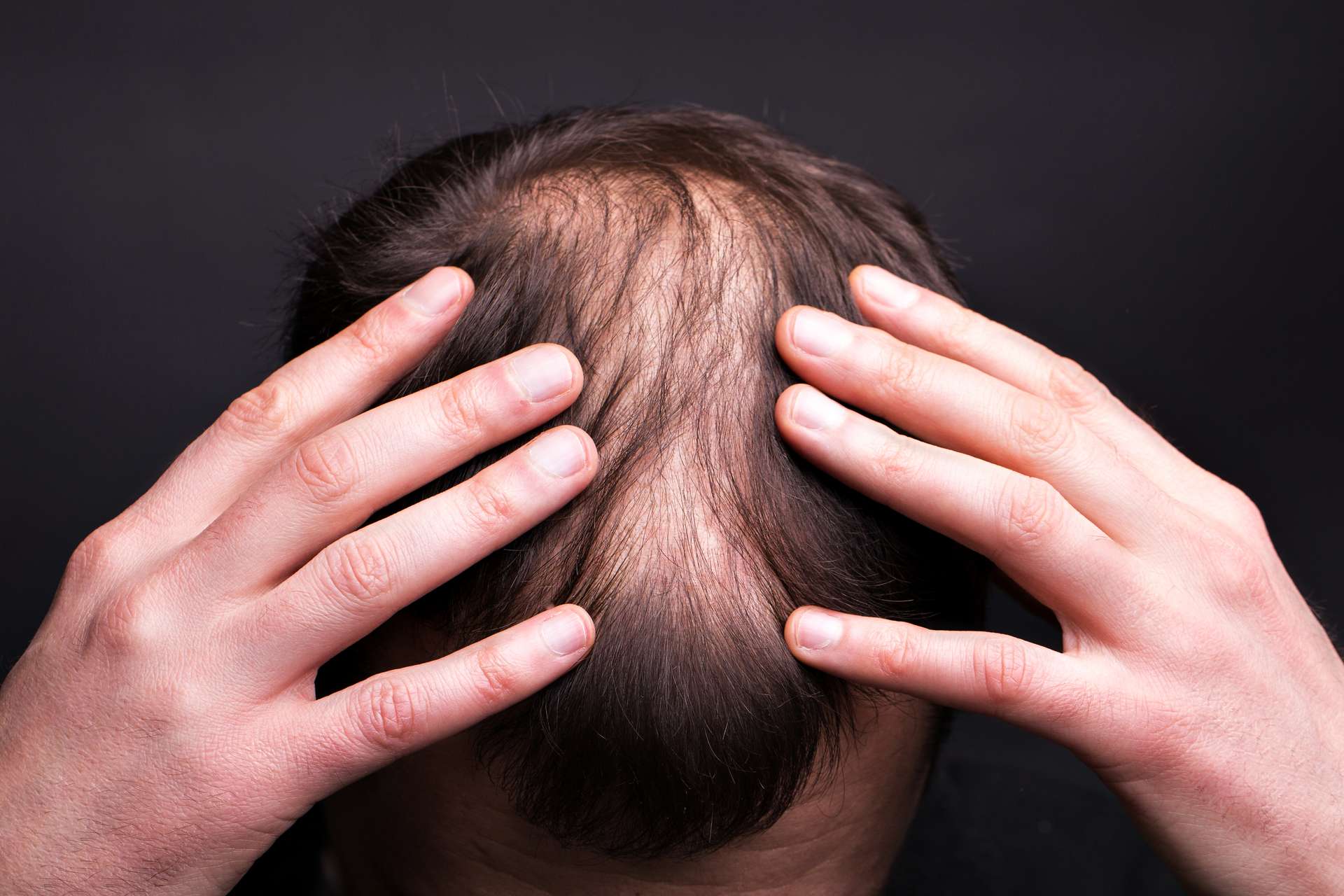
Some people have hair loss built into their genetics, with certain follicles that are more likely to shrink and eventually stop producing hair. This type of hair loss can happen to both men and women, and it isn’t just limited to older individuals.
We will take a closer look at how the biology of hair follicles can lead to hair loss and explain which factors can be addressed with treatments. At Hair By Dr. Max, Restoration Center, these conversations take place every day with our patients. We can help you understand why your hair is changing and what options you may have to enjoy a full head of hair again.
The Life Cycle of a Healthy Hair Follicle
What Is a Hair Follicle?
A hair follicle is a small but complex structure within the scalp that surrounds the hair root and controls how hair forms, grows and sheds. Each follicle contains a tiny structure called a dermal papilla that contains blood vessels and signaling cells that regulate nutrient delivery and growth activity. When all of these components are functioning normally, the follicle can repeatedly produce strong hair fibers.The Hair Growth Cycle
Hair in a healthy follicle follows a repeating cycle made up of three main phases: anagen (growth), catagen (transition), and telogen (rest). Anagen is a phase that can last for several years, during which the follicle actively produces hair. After this stage, it enters a brief slowdown phase, catagen, when the follicle separates from its blood supply. In the telogen phase, the hair rests and then sheds the old hair, allowing the follicle to reset and begin a new growth phase. Those who genetically have a longer growth phase can often grow their hair out longer than those with a shorter growth phase.What Healthy Growth Looks Like
Healthy hair growth depends on follicles spending most of their time in the growth phase rather than the resting phase. The scalp maintains a balanced ratio where shedding is gradual, and replacement hairs grow in at a similar pace. When the follicles are also supported by stable blood flow and normal cellular signaling, hair can stay dense and healthy.What Happens as Hair Follicles Age
Aging vs. Genetic Hair Loss
Natural aging affects all hair follicles to some degree, but genetic hair loss follows a more specific pattern driven by inherited sensitivity to hormones. As an individual ages, their hair growth may slow gradually across the scalp. Hair may also become a little thinner and may feel drier and more brittle. Genetically influenced hair loss will often target specific areas of the scalp, like the crown and temples, and often has a much more predictable progression. Genetic hair loss can also happen earlier and more aggressively than hair loss influenced by age alone.Changes Inside the Follicle With Age
As follicles age, the growth phase shortens, and the resting phase lasts longer, reducing the time hair spends actively growing. The dermal papilla may receive less consistent support from nearby blood vessels and become less responsive to growth signals inside the follicle. Repeated cycles of reduced growth can cause follicles to produce finer hair that is more likely to shed.What Is Androgenetic Alopecia?
Androgenetic alopecia is the scientific name for the type of genetically driven hair loss that we have been discussing. This type of hair loss affects both men and women, though it is more common in men, affecting around 50 million men compared to 30 million women in the U.S. In men, androgenetic alopecia usually follows a pattern of recession at the temples and thinning at the crown since follicles in these areas have more genetic sensitivity to the hormones that cause hair loss. Women are more likely to notice thinning that is spread out along the top of the head, with a hairline that is mostly left intact. While certain lifestyles or haircare habits may worsen the situation, people with androgenetic alopecia will experience hair loss regardless of how well they care for their scalp and hair.A Closer Look at Hormones and Hair
What Are Androgens?
Androgens are a class of hormones that regulate different biological functions related to growth, metabolism and tissue function. They are involved in muscle development and oil production in the skin, and they also influence the communication between cells that controls how tissues respond to internal signals. These hormones circulate through the body and exert effects by binding to androgen receptors found in specific cells. In the scalp, androgens interact with receptors inside hair follicles and affect how active a follicle is. The concentration and sensitivity of these receptors are different across the scalp, which explains why genetic hair loss only affects certain follicles.What Is DHT?
Dihydrotestosterone, commonly called DHT, is an androgen that is created when testosterone is converted into a more biologically active form. DHT binds tightly to androgen receptors. In certain areas of the scalp, follicles contain more of these receptors. When DHT attaches to them, it triggers signals inside the follicle that influence how hair is produced. If follicles have genetic sensitivity, DHT changes the environment that supports hair production and leads to shorter growth phases and finer hair strands.What Is Follicle Miniaturization?
Miniaturization is a process where a follicle gradually becomes smaller and less productive. Early on in this process, there may still be hair, but it will be thinner and shorter, and often lighter in color with a weaker structure. Changes aren’t always obvious right away, but they are the foundation for noticeable thinning.What Happens When You Don’t Treat Miniaturization?
If follicle miniaturization continues without intervention, the follicles will eventually reach a point where they stop producing hair. At this stage, the follicle will still be there, but will no longer be able to create a normal hair shaft. After this point, options for treating hair loss decrease.What Factors Can Accelerate Androgenetic Hair Loss?
While these factors don’t directly cause androgenetic hair loss, they can sometimes make the situation worse:Inflammation and Scalp Health
Inflammation within the scalp can disrupt the environment that hair follicles rely on to function normally. When inflammatory signals are present around the follicle opening or deeper within the skin, they can interfere with blood flow and oxygen delivery. Ongoing scalp irritation or untreated inflammatory conditions can put more strain on follicles that are already struggling because of genetic sensitivity.Stress and Hormonal Fluctuations
Physiological stress affects hormone regulation throughout the body, including hormones involved in hair growth signaling. Shifts in cortisol and other stress-related hormones can influence how follicles cycle between growth and rest. In patients with androgenetic alopecia, these fluctuations may compound existing follicle sensitivity and contribute to faster visible thinning.Nutrient and Blood Supply Considerations
Hair follicles depend on a steady supply of oxygen and nutrients delivered through the bloodstream. Reduced circulation or nutritional imbalances can limit the resources available to support active growth. When follicles receive less support, hair strands may grow finer and spend less time in active growth phases.What We Can Change and Address With Hair Loss Treatments
Genetics set the framework for how your hair follicles behave, including which areas will thin and how those follicles respond to internal signals, and your genetics cannot be changed through hair loss treatments. However, hair thinning services work within these boundaries by influencing how existing follicles function. We can support your follicles to help them produce thicker and healthier strands, and we have more comprehensive techniques available when minimally invasive therapies are no longer enough.Treatment Options for Androgenetic Alopecia
- Topical and Oral Therapies: Topical and oral treatments modify the biological signals that influence follicle activity and hair cycling. They are often used to slow follicle miniaturization and support existing growth in patients with early to moderate loss.
- Regenerative and Device-Based Therapies: Regenerative options like PRP support follicle health by improving cellular signaling and local scalp conditions. Devices such as light and laser treatments can stimulate blood flow and cellular activity in thinning areas of the scalp.
- Hair Transplant Surgery: Hair transplants provide a permanent, maintenance-free solution for hair loss. Follicles from unaffected parts of the scalp are transferred to balding areas. The new growth is completely natural and can be cut and styled just like the rest of your hair.