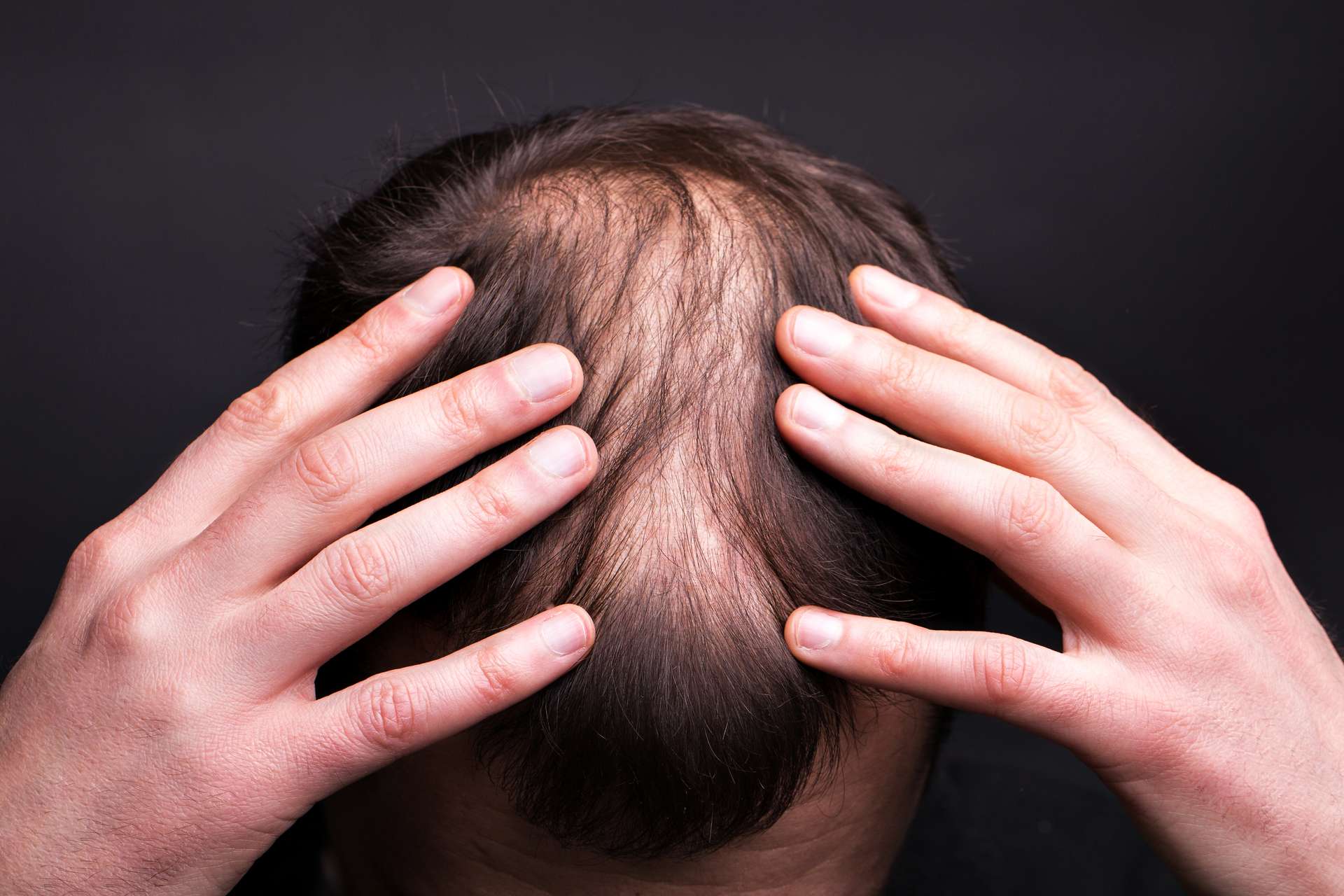
Shedding more hair than usual after a stressful event can be worrisome, but in many cases, your scalp can recover on its own. Temporary hair loss may stop within a few months as the hair cycle resets and new strands begin to grow. However, there are times when the shedding continues or worsens, which may point to something more than a short-term disruption.
Not all hair loss looks the same, and the early signs can be easy to dismiss. At Hair By Dr. Max, Restoration Center, we help patients throughout South Florida evaluate whether the hair loss they are seeing is part of a temporary cycle or a more lasting condition. Once we identify the likely cause, we can guide you toward options that may help address it.
Normal Shedding vs Hair Loss
Everyone sheds hair each day as part of the normal growth cycle. You may see loose strands on your pillow or in the shower, but as long as new hair continues to grow in, this shedding is typically not a cause for concern. Most people lose between 50 and 100 hairs a day, and this does not affect the appearance of the scalp. Hair loss, on the other hand, means that the growth cycle has been more than temporarily disrupted. When the scalp fails to replace lost strands at a normal rate, the result can be visible thinning or patchy areas. This is when professional treatments may be needed to help restore hair and revitalize the scalp.Common Causes of Hair Loss
Genetics
Hereditary hair loss is one of the most frequent causes, especially in men and women with a family history of thinning. The condition, called androgenetic alopecia, tends to follow predictable patterns like a receding hairline or thinning at the crown. Genetic factors affect how hair follicles respond to hormones, which influences both the rate and extent of shedding. While you cannot change your genetic makeup, early detection may allow for proactive care.Hormones
Shifts in estrogen, testosterone, or DHT levels can lead to shedding, especially in those with increased sensitivity to these changes. Women may notice more hair loss around puberty, pregnancy, or menopause. Men may experience a gradual change starting as early as their twenties.Stress and Lifestyle
Acute or ongoing stress can disrupt your normal hair cycle and push more follicles into the shedding phase. Telogen effluvium, a temporary type of hair loss, often appears several weeks after a major illness, emotional event, or rapid weight change. Lifestyle factors such as poor sleep or high alcohol intake may add to the disruption. When stress or lifestyle changes are at the root of hair loss, recovery can happen gradually if the trigger resolves and the growth cycle resets.Autoimmune Conditions
Autoimmune diseases such as alopecia areata cause the immune system to attack hair follicles directly. Hair can fall out in round patches, sometimes suddenly, and regrowth may be unpredictable. Some people experience flares that come and go, while others may see a steady loss. The course of autoimmune-related hair loss varies significantly from person to person, as does the recovery.Nutritional Deficiencies
Hair needs a consistent supply of protein, iron, and vitamins to maintain normal growth. Deficiencies in nutrients like B12, zinc, or vitamin D can disrupt how follicles function. If you have poor absorption due to gastrointestinal issues, this can also affect hair growth. Sometimes, healthier hair starts with giving your body more of what it needs, whether this is through healthy eating, oral supplements, or IV therapy.Medical Triggers
Certain medications, such as blood thinners or chemotherapy agents, can disrupt follicle activity and cause hair to shed more rapidly. Thyroid disorders are another frequent factor, especially when levels of T3 and T4 fall outside a normal range. Your provider can help you identify any medical conditions that may be causing your hair loss so you can address the root cause in addition to supporting healthy hair through treatments.Aging and Reduced Follicle Regeneration
Hair naturally becomes finer and grows more slowly with age as the follicles begin to shrink. Some follicles may stop producing hair altogether, especially if regeneration slows down. The density of the scalp may gradually decrease, even without a clear-cut medical condition.Early Signs of Hair Loss in Men
Hair loss in men can develop gradually, and subtle shifts in density, regrowth speed, and hairline shape may indicate that follicles are beginning to shrink or slow down. Recognizing some of the following changes early may help you get the right treatment when you need it:- Receding hairline (temples and widow’s peak changes)
- Thinning at the crown
- Reduced hair density across the mid-scalp
- Slower regrowth after a haircut
- Excess shedding in the shower or on your pillow
- Miniaturization of hairs (characterized by thin, shorter, weaker strands)
Early Signs of Hair Loss in Women
Hair thinning in women often follows different patterns than in men, which can make the early signs less obvious. Gradual changes in density, volume, and texture may be the first indications that something is shifting in the growth cycle. You may notice:- Widening part along the scalp
- Reduced density at the central scalp (called the Ludwig pattern)
- Excess shedding while brushing or washing
- Loss of volume and ponytail thinning
- Texture changes (dry, brittle, shorter strands)
- More visible scalp under bright light
When Should You Schedule a Consultation?
Determining If Your Hair Loss Is Temporary or Progressive
Some types of shedding resolve on their own within a few months, especially after stress, illness, or childbirth. However, if the hair loss continues, spreads to new areas, or worsens despite lifestyle changes, it may not be temporary. Progressive conditions like androgenetic alopecia often start subtly and may be overlooked until the loss becomes more advanced. You can schedule an appointment if you are having trouble identifying the cause of your hair loss on your own.The Benefits of Early Intervention
Hair follicles that remain active can often be supported before significant thinning sets in. Early intervention may help preserve density and slow the rate of further loss, but waiting too long to act may limit your options, especially if follicles begin to shrink or stop producing new hair. When you come to us early, we can build a plan that addresses the underlying issue instead of just managing the symptoms.Are Over-the-Counter Medications and Methods Enough?
Some over-the-counter products can help with mild cases or temporary shedding. However, not all hair loss responds well to solutions like topical minoxidil or supplements. If you are unsure about the cause of your hair changes or see no improvement, it may be a good time to schedule a medical consultation. Professional evaluation can uncover factors that are not addressed by drugstore options, such as hormonal changes, autoimmune triggers, or early follicle miniaturization.Treatments for Hair Loss
Nonsurgical Solutions
- Growth Factor Injections: These injections use concentrated growth factors to stimulate follicle activity in targeted areas. They are one of the hair-thinning solutions available for early or moderate scalp density changes.
- Medication: Oral and topical medications like minoxidil or finasteride may help maintain existing hair or reduce shedding. We recommend a medical evaluation before beginning or adjusting any regimen.
- Capillus® Laser Cap: The Capillus laser cap delivers low-level laser therapy directly to the scalp through wearable technology. Some people use it at home several times per week as part of their maintenance routine.
- Regenera Activa®: Regenera Activa uses your own hair tissue to extract micrografts rich in regenerative cells, which are then introduced into thinning areas of the scalp. In a single session, the process targets weakened follicles to stimulate natural growth in thinning hair.
- Scalp Micropigmentation: Scalp micropigmentation (SMP) uses special pigment to create the appearance of fuller density. It may be suited for men or women with advanced thinning or visible scalp areas.
Surgical Solutions
- ARTAS® iX Robotic Hair Transplant: ARTAS iX uses robotic precision to harvest and implant follicular units with a high level of consistency. The system maps the scalp and selects optimal grafts while minimizing disruption to nearby follicles.
- NeoGraft® FUE: NeoGraft uses pneumatic pressure to extract and implant hair follicles without a linear incision. This minimally invasive thinning hair treatment can be a suitable option for those seeking a natural-looking result with reduced downtime.
- Manual FUE: Manual follicular unit extraction (FUE) gives the surgeon full control of graft selection and placement. It can be especially useful for smaller sessions or fine-tuning specific areas of the hairline.
- Direct Graft Implantation: Direct graft implantation (DGI) uses a specialized implanter tool to place each graft directly into the scalp without creating slits, which protects the follicle and supports natural-looking placement. The method can shorten healing time, reduce scarring risk, and give Dr. Chumak precise control of depth and angle during implantation.