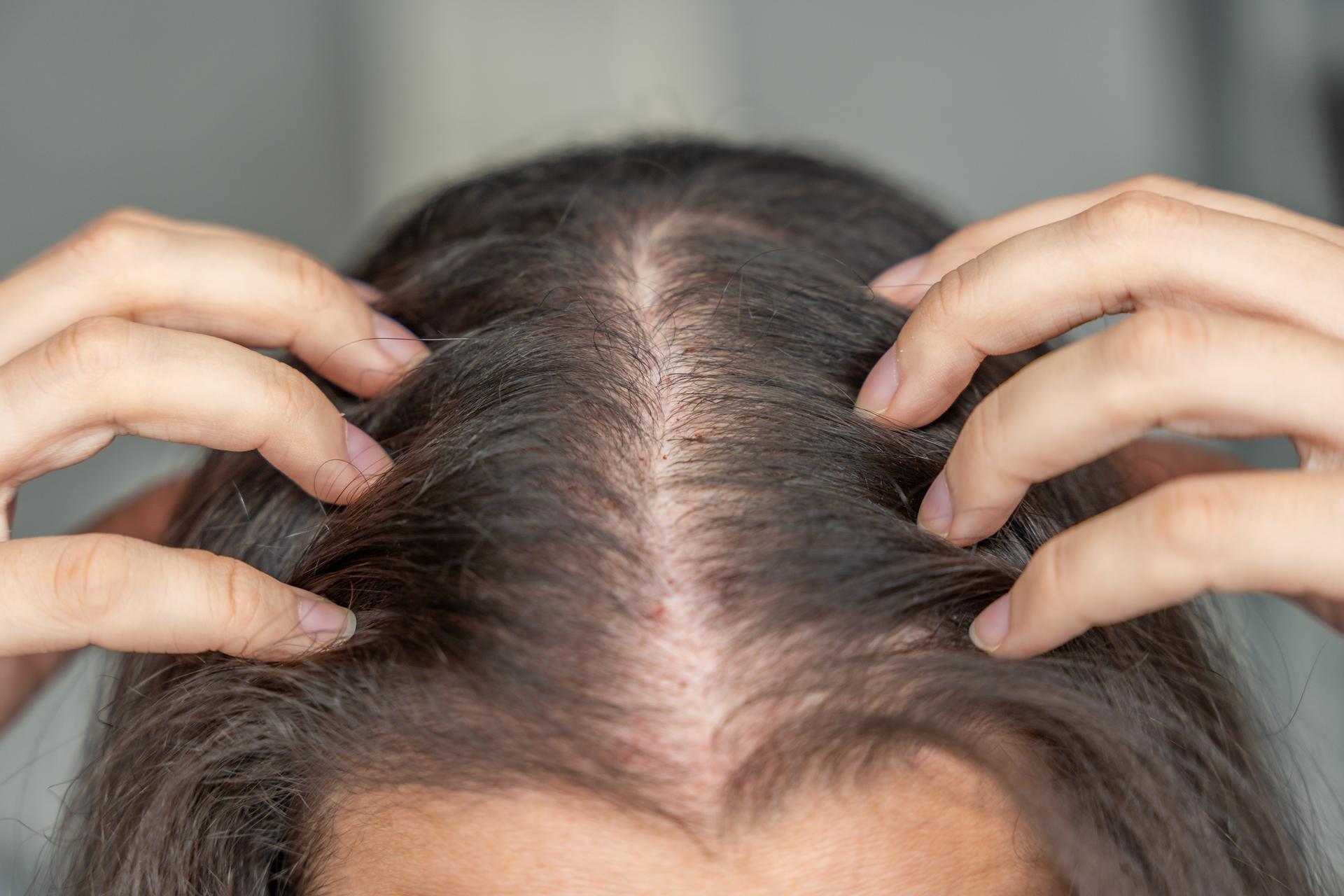
Hair loss affects millions of people, and finding the right solution starts with understanding that no single method works for everyone. At Hair By Dr. Max, Restoration Center, hair restoration is our specialty, and Dr. Max offers a wide range of hair transplant methods, each suited for different types of loss, hair characteristics and patient goals.
The ARTAS iX robotic hair transplant system is one of those options, and for the right patient, it can offer a level of precision that is difficult to match manually. This technology uses robotic assistance and artificial intelligence to automate some of the most technically demanding parts of the FUE (follicular unit excision) process.
Hair Thinning or Hair Loss?
The Difference Between Temporary Thinning and Hair Loss
Not all hair thinning means you are experiencing permanent hair loss. Temporary thinning can happen for a number of reasons, including stress, hormonal shifts, nutritional deficiencies or certain medications. In many of these cases, the follicle is still alive, and hair can grow back once the underlying cause is addressed.
Permanent hair loss involves the gradual miniaturization of hair follicles, meaning the follicles shrink over time and eventually stop producing visible hair. This type of loss is typically genetic and progressive. It behaves differently from temporary shedding and usually requires a different treatment approach.
Recognizing the Signs of Hair Loss
One of the first things you might notice is a widening part or more scalp visibility in areas that used to look fuller, especially around your crown or along your hairline. You might also notice that your hair feels thinner when you run your hands through it, or that it doesn’t style the same way it used to. A receding hairline is another sign, particularly in men, where the hairline gradually pulls back from the temples into more of an M-shape.
What Is Male Pattern Baldness, and Who Does It Affect?
Male pattern baldness, also called androgenetic alopecia, is the most frequently diagnosed form of hair loss in men and follows a predictable pattern that doctors measure using the Norwood scale. It is caused by a genetic follicular sensitivity to dihydrotestosterone (DHT), a hormone that causes prone follicles to shrink and produce thinner, shorter hairs over each growth cycle until they stop producing hair entirely. This type of hair loss can start as early as the late teens or early twenties.
Why Treating Male Pattern Baldness Early Leads to Better Results
Once a follicle has fully miniaturized and gone dormant, it becomes much harder to restore growth in that area without surgical intervention. Catching hair loss in its earlier stages gives you more options, including non-surgical treatments like medication or low-level laser therapy that can help slow the progression of hair loss and preserve your existing hair.
Hair Restoration Options and How They Compare
Medications
Several prescription medications can help slow or reduce hair loss, and we often use them as a first step or alongside other treatments. Topical finasteride is one we frequently recommend because it targets DHT directly at the scalp, delivering the active ingredient where it’s needed most while limiting how much is absorbed into the rest of the body.
Topical dutasteride works similarly but blocks more of the enzymes responsible for DHT production, which can make it a better fit for patients who haven’t responded well to finasteride or have developed a tolerance.
We also prescribe minoxidil. All of these are prescription-only and require a consultation with Dr. Max to determine what’s appropriate.
FUT Transplant Surgery
Follicular unit transplantation (FUT) is a surgical method where a strip of tissue is removed from the donor area at the back of the head and then dissected into individual grafts for placement. It was the standard approach for many years, but it leaves a linear scar along the donor site that can be visible with shorter hairstyles. Now that follicular unit extraction (FUE) technology has advanced, FUT is far less frequently performed. Dr. Max uses FUE-based methods.
FUE Transplant Surgery
Follicular unit extraction (FUE) is a hair transplant method that removes individual grafts directly from the donor area through small circular incisions, typically less than a millimeter in diameter, which heal as tiny dots rather than a long scar. FUE is a better option for patients who want the flexibility to wear their hair short after the procedure.
There are many different FUE approaches available today, ranging from fully manual techniques to robotic-assisted systems like the ARTAS iX. Their primary differences come down to how grafts are extracted and what level of technology is guiding the process.
What Is ARTAS iX?
The ARTAS iX is a robotic hair transplant system that assists with the graft harvesting phase of an FUE procedure. It uses a robotic arm guided by artificial intelligence and a multi-camera system to identify and extract individual follicular units from the donor area. The cameras map the scalp during the treatment, analyzing hair angle, direction and spacing so that each extraction is calculated. Dr. Max oversees and directs every moment of the process.
Why Choose ARTAS iX?
One of the biggest advantages of the ARTAS iX system is the consistency it brings to graft harvesting. Manual FUE relies entirely on the surgeon’s hand and eye for every single extraction. The ARTAS iX doesn’t fatigue, so the quality of extraction can remain steady from the first graft to the last. Its imaging system also helps minimize damage to surrounding follicles during harvesting, which can help preserve the donor area for future procedures.
The Science Behind ARTAS iX
AI-Powered Follicle Mapping
The ARTAS iX uses machine learning algorithms trained on thousands of hair restoration cases to evaluate the donor area before a single graft is touched. It categorizes follicular units by the number of hairs per graft, their growth phase and their position relative to neighboring follicles. This data allows the system to prioritize which grafts to harvest and which to leave in place so the donor area still looks full and even afterward.
Robotic Dissection Accuracy
Instead of using a fixed setting across the donor area, the robotic arm adjusts its depth and angle for each follicular unit as it goes, responding to real-time imaging data. The result is a more precise cut with less disruption to the tissue surrounding it.
Minimizing Graft Trauma
Graft survival depends on how cleanly each follicular unit is separated from the surrounding tissue during extraction. When a graft is partially transected or the follicle is damaged during removal, it may not produce healthy growth after transplantation. The ARTAS iX improves graft viability.
Image-Guided Planning
ARTAS iX also helps with planning the recipient site layout using its imaging software. It creates a digital map of the transplant area and allows Dr. Max to preview graft distribution before any incisions are made.
Reduced Downtime from Precision Incisions
Because the ARTAS iX creates small and consistently sized extraction points, the donor area tends to heal faster than it might with less uniform manual punches. In general, there is less scabbing, reduced redness and a quicker return to normal activity. Most patients can expect to resume their regular routines within a few days of the procedure.
What Patients Experience During ARTAS iX Treatments
The procedure begins with a local anesthetic applied to the donor area, so you’ll be awake for the treatment. You will not experience pain during this process. The robotic extraction phase can take several hours depending on the number of grafts needed, but there are breaks built in, and you can communicate with Dr. Max at any point.
Afterward, the donor area may feel tender for a few days, with minor discomfort that is manageable with over-the-counter medication. You’ll receive detailed aftercare instructions before you leave, so you know exactly what to expect during the first week of healing.
Pros and Cons of ARTAS iX
Pros
- Robotic Precision
- Consistent Graft Quality
- Minimally Invasive With No Linear Scar
- Shorter, More Comfortable Recovery
- Natural-Looking Results
Cons
- Higher Upfront Cost
- Not Suitable for All Hair Types or Loss Patterns
- Results Take Six to Twelve Months
What Is the Cost of ARTAS iX?
The cost of a robot hair transplant varies from patient to patient because it depends on factors like the number of grafts needed and the complexity of the treatment plan. During your consultation, Dr. Max will take a close look at your donor area and talk about your goals in detail to get a better picture of what will be involved. Then he will give you an estimate and discuss financing options.
Are You a Good Candidate for ARTAS iX?
Hair Characteristics
The ARTAS iX performs best on patients with straight or slightly wavy hair that contrasts with the skin tone, because the imaging system relies on that contrast to accurately identify and track individual follicular units. Curly or very fine hair can be more difficult for the cameras to map, which may affect extraction accuracy. During a consultation, Dr. Max can assess your hair type and let you know whether the system is a good match.
Degree of Hair Loss and Donor Density
A successful ARTAS hair transplant requires a healthy donor area with enough density to supply the grafts needed without leaving that area looking thin. Those with moderate loss and a strong donor supply tend to be the best candidates. The stage of your hair loss also matters because transplanting too early or too late can affect long-term results.
Overall Health and Realistic Expectations
Hair transplantation is best for those who are in good general health and free of conditions that could interfere with healing. It’s equally important to have a clear understanding of what the procedure can and cannot accomplish, which Dr. Max can provide during your consultation.
Why Surgeon Experience Matters With ARTAS iX
The ARTAS iX is a powerful tool, but it doesn’t replace the surgeon’s role in the process. The system handles the technical execution of graft harvesting, but Dr. Max is the one making the clinical decisions that shape the final result. That includes evaluating which grafts to target, how to distribute them across the recipient area and where to place the hairline so it looks natural as aging continues. A skilled surgeon also knows when to adjust the plan mid-procedure based on what the tissue and grafts are showing.
Our Treatment Experience at Hair By Dr. Max
One Patient Per Day
We schedule only one hair transplant patient per day. Dr. Max is fully focused on your procedure from start to finish.
On-Site Lodging
For patients who are traveling to our Fort Lauderdale office or who simply want to avoid a long drive home after a full day in the chair, we offer on-site lodging at our facility. Staying on-site means you can rest comfortably right after your procedure without the stress of navigating traffic or sitting in a car while your scalp is still fresh. It also makes it easy to check in with the team first thing the next morning if you have any questions about aftercare.
Built-In Aftercare
Your care doesn’t stop when the procedure is over. We build aftercare into every treatment plan so that your recovery is supported from day one, including follow-up check-ins and guidance on how to protect your grafts during the healing window. We also offer discounted PRP treatments for transplant patients to promote healing and support stronger growth in the months following your procedure.
Ready to Take the First Step?
At Hair By Dr. Max, Restoration Center, we work with patients across Ft Lauderdale, Lauderdale-by-the-Sea, Pompano Beach, Boca Raton, Miami, Davie and Pembroke Pines to determine whether robotic FUE is the right fit for their hair loss and goals. Call us at 954-945-2909 or fill out our online form to schedule a consultation.